
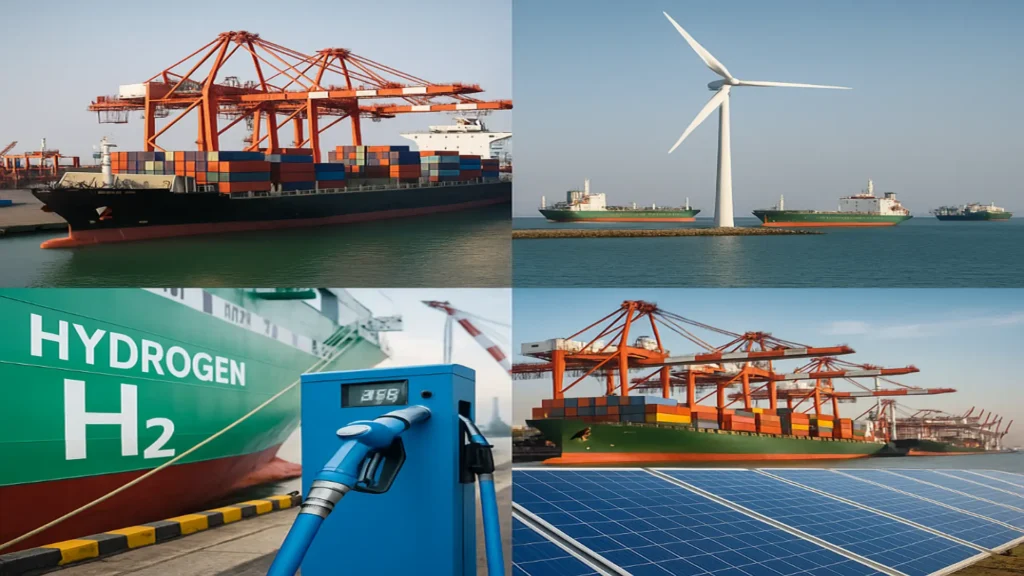
IMO 2050: How are marine terminals adapting and contributing?
IMO poses net zero emissions in marine terminals by 2050 in the face of the 3% GHG generated by global shipping.
IMO poses net zero emissions in marine terminals by 2050 in the face of the 3% GHG generated by global shipping.
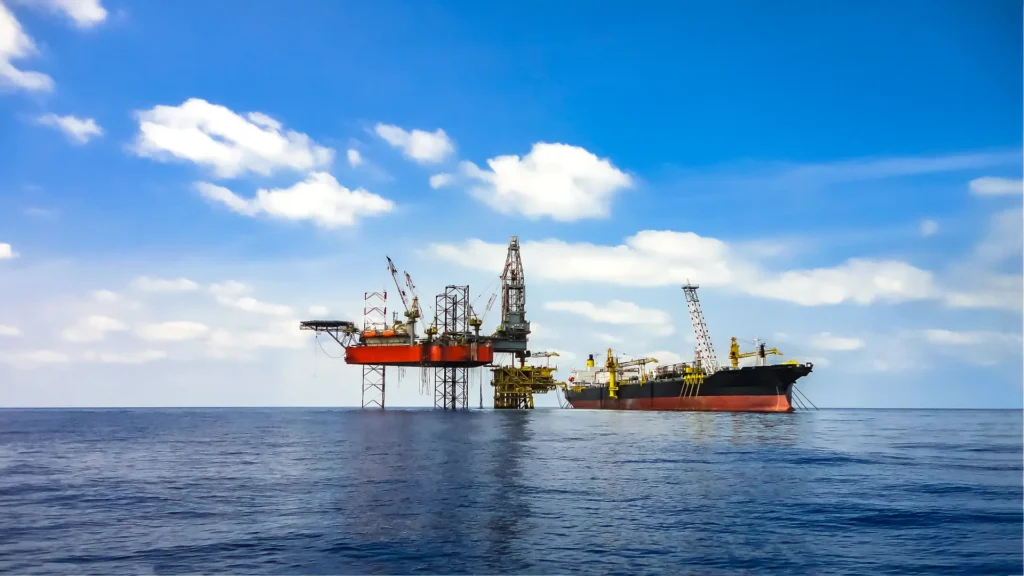
FPSO vessels have emerged as a distinctive alternative to fixed platforms and other traditional offshore systems.
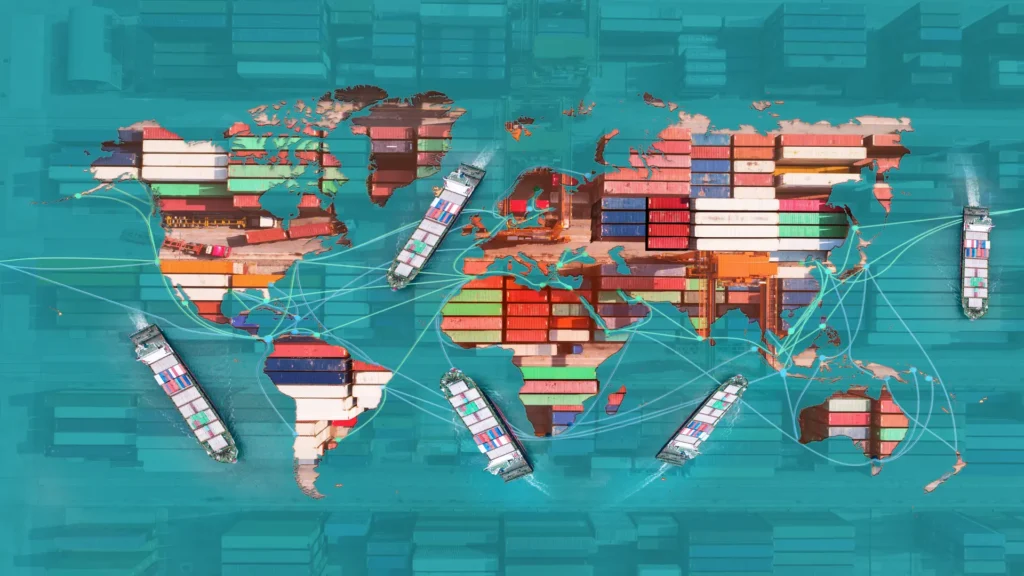
Digital and collaborative technologies drive port decarbonization, optimizing operations and promoting sustainability.
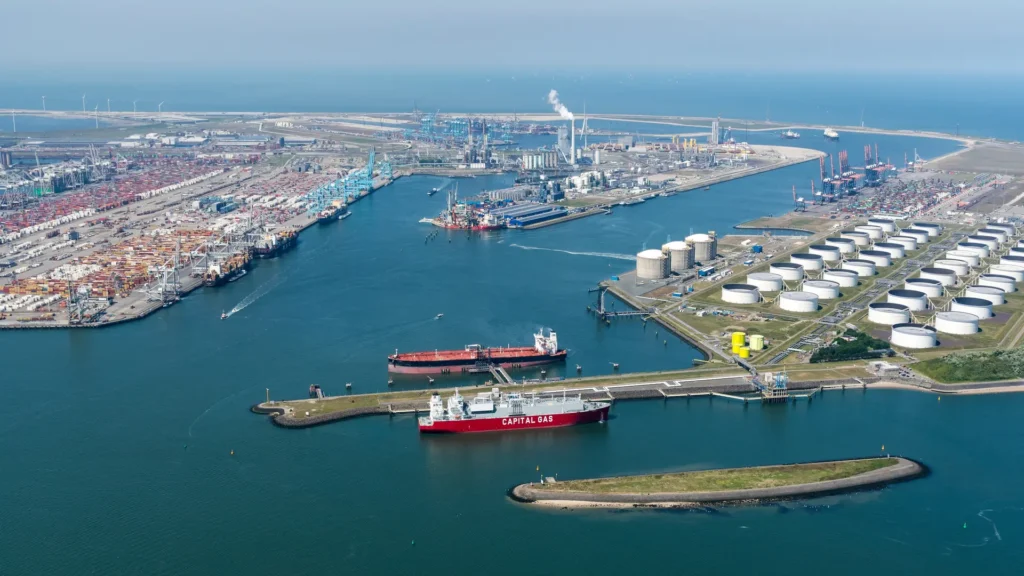
Sreapots are being transformed by technology, becoming more efficient, sustainable and secure - explore it here!
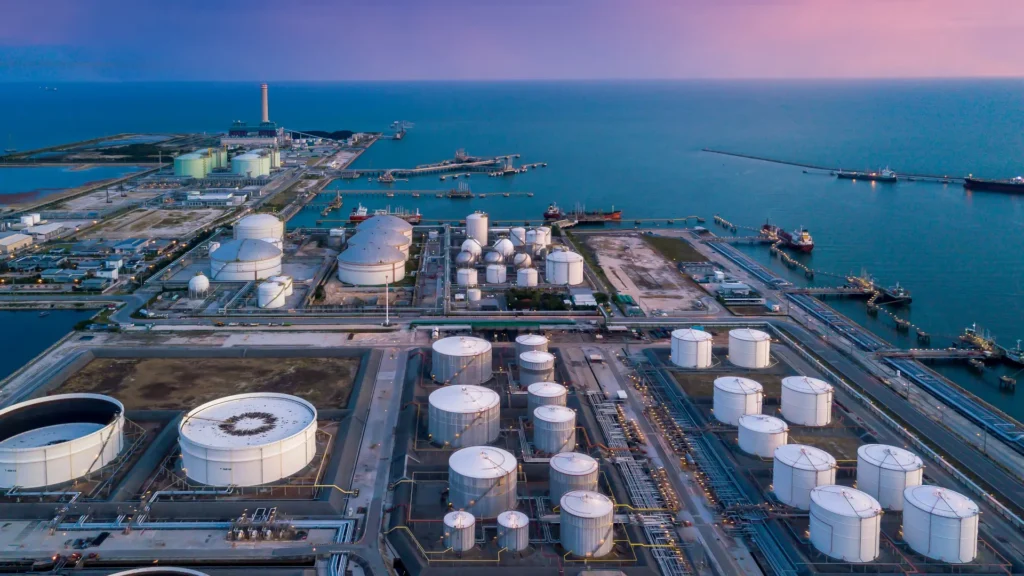
Safety and efficiency in hydrocarbon storage tank terminals.
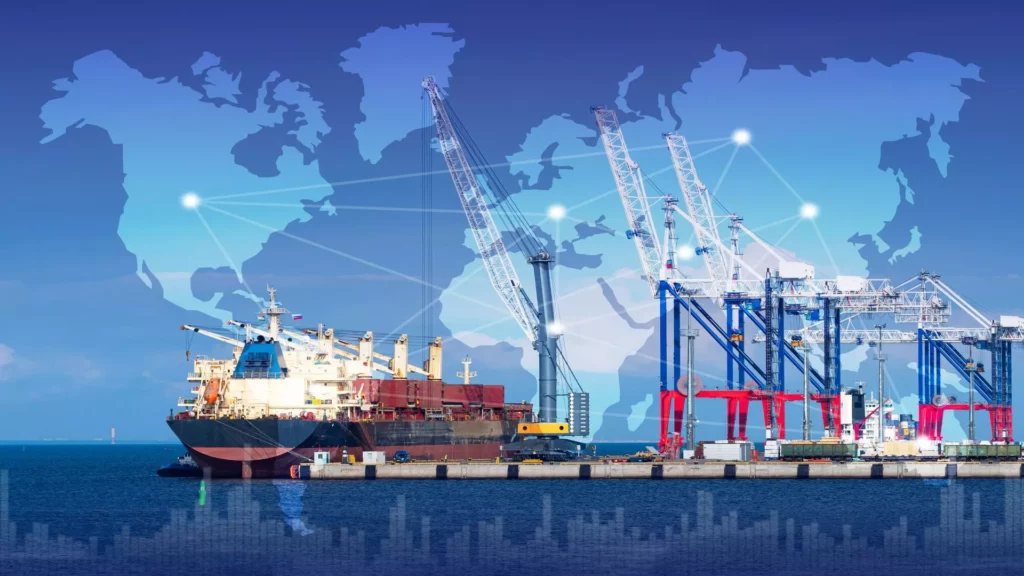
Analyze the strategic importance of maritime terminals in the global value chain.
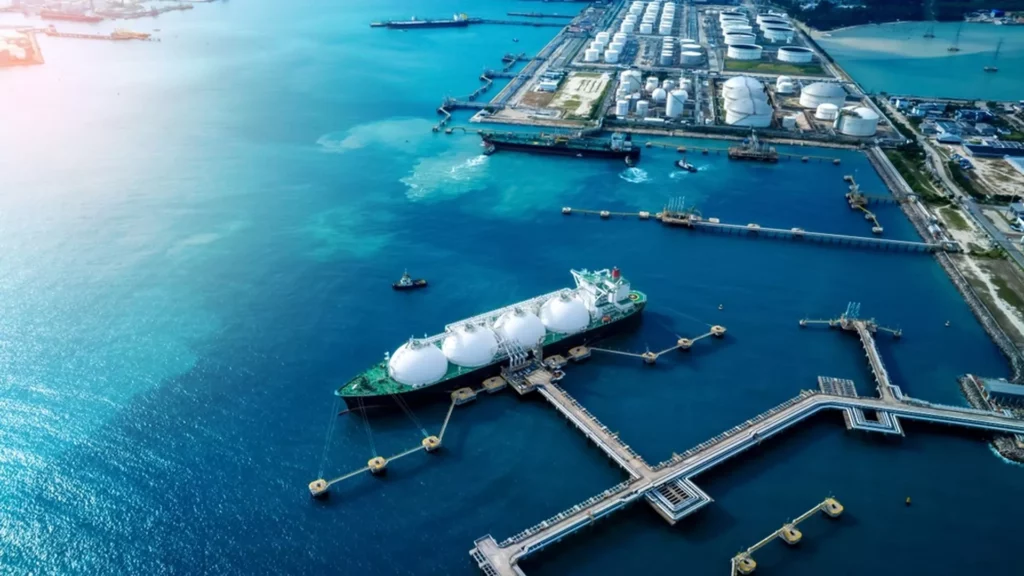
Optimizing port logistics to mitigate congestions and delays, ensuring efficiency in maritime transportation within the Oil & Gas sector.
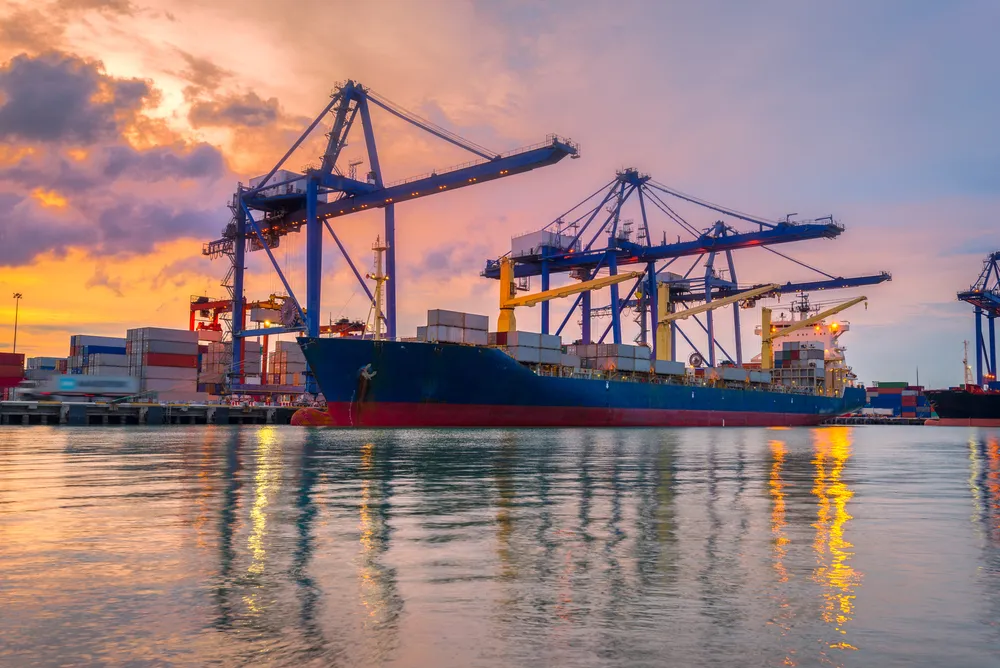
Marine terminal security encompasses vessel protection, national defense, economic development, preservation of the marine environment and human protection.
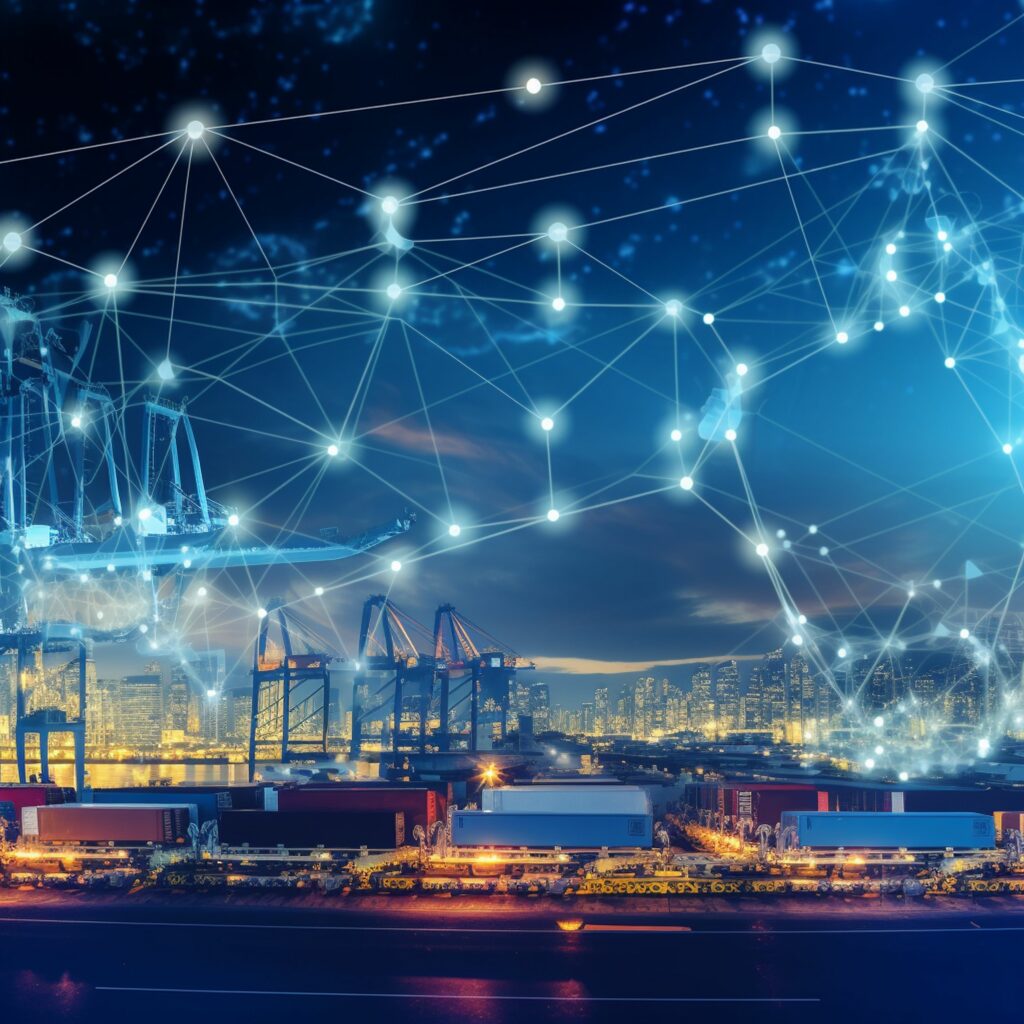
The automation of port maintenance allows greater operational efficiency due to environmental conditions and changing logistics requirements.
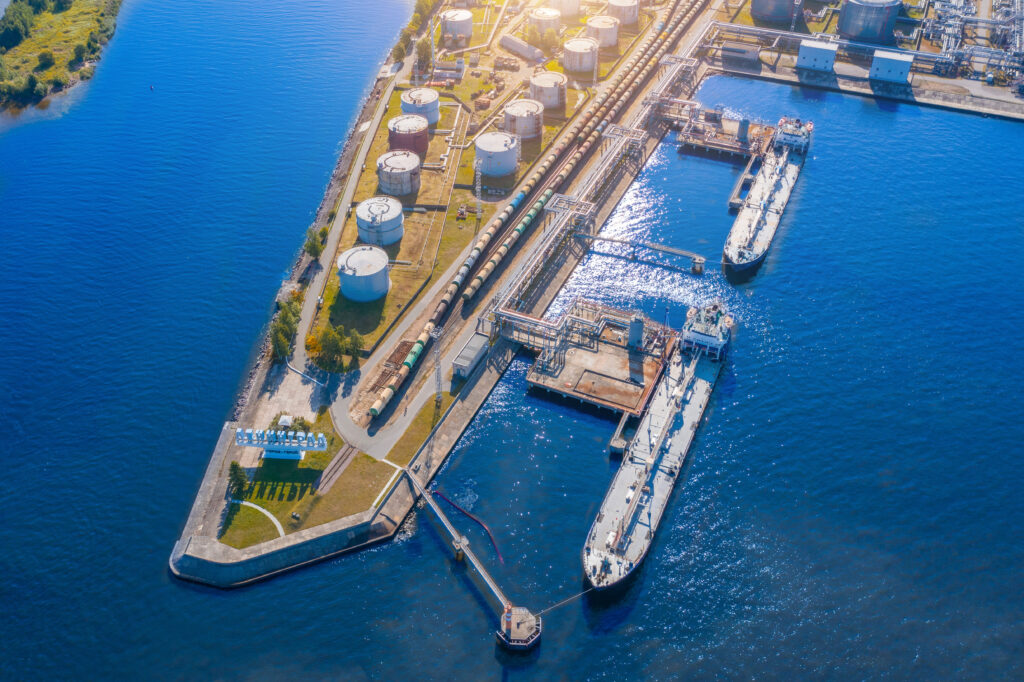
Operational safety and environmental impact define the key challenges in global oil shipping.