
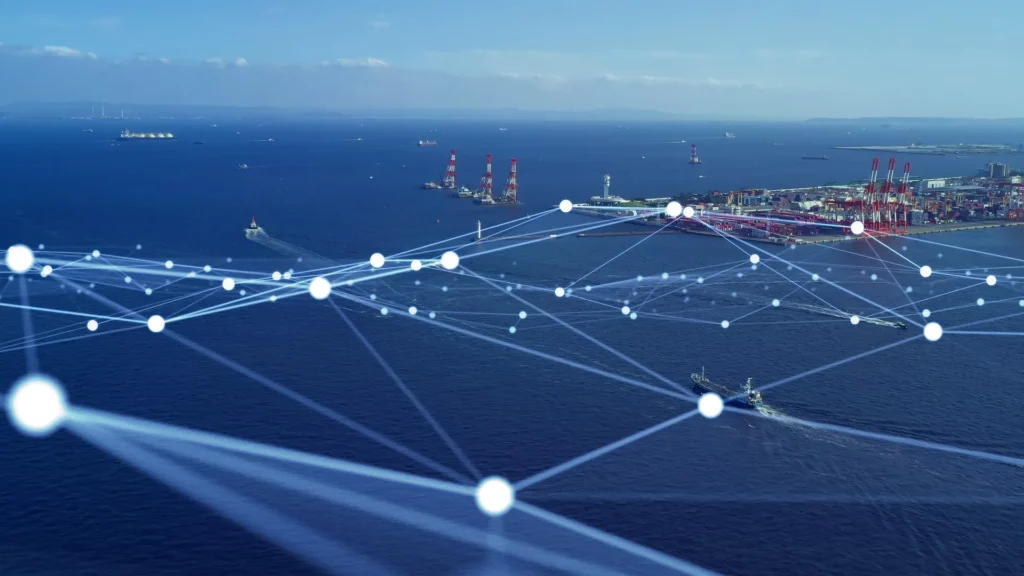
Optimizing marine terminal utilization: A data-driven approach
Data centralization makes it possible to anticipate bottlenecks, shorten dock times and ensure acceptable risk levels.
Data centralization makes it possible to anticipate bottlenecks, shorten dock times and ensure acceptable risk levels.
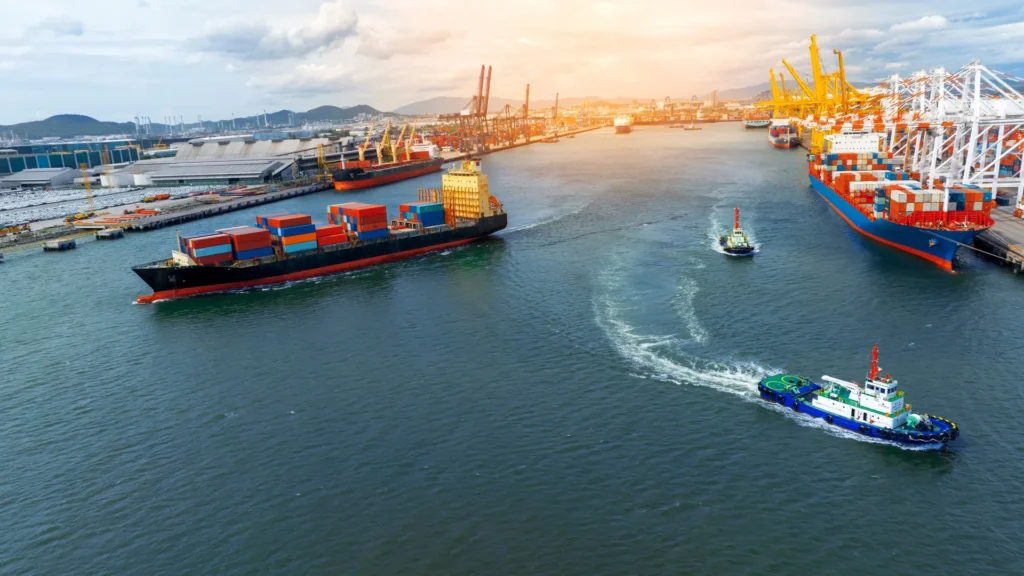
SLOM coordinates Latin American yards and monobuoys to integrate clean fuels, CCS and digitalization, reducing emissions in the maritime energy chain.
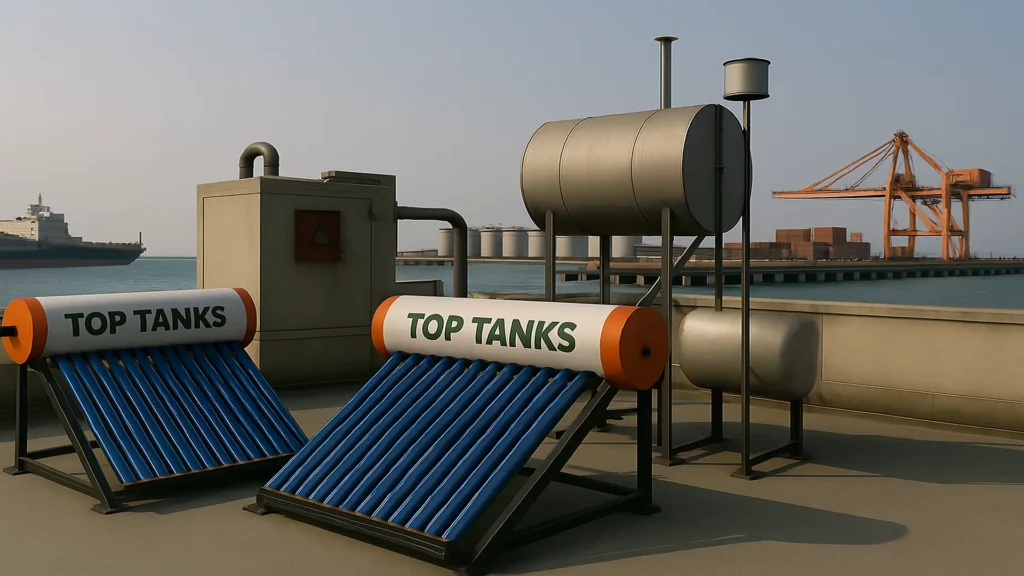
With solar thermal tanks, docks and port terminals can reduce their dependence on fossil fuels and contribute to a cleaner planet.
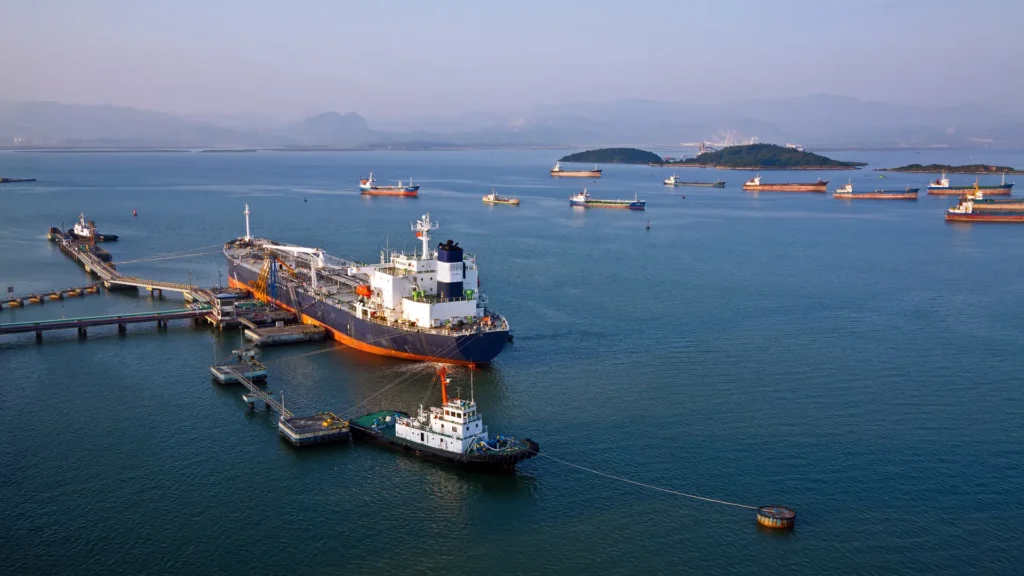
Chartering optimizes port logistics at liquid terminals, improves shipping efficiency and reduces delays through strategic contracts and technology.
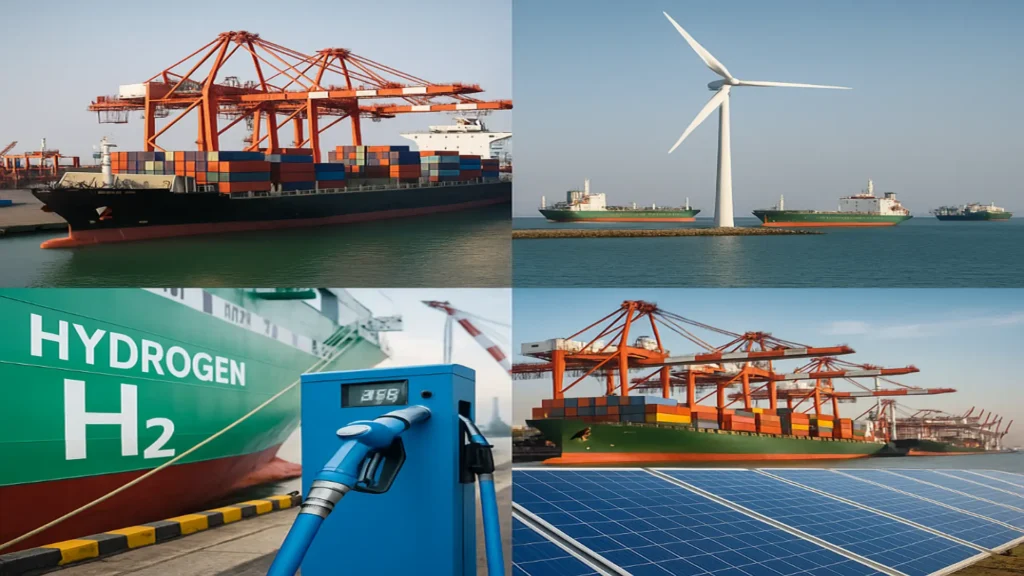
IMO poses net zero emissions in marine terminals by 2050 in the face of the 3% GHG generated by global shipping.
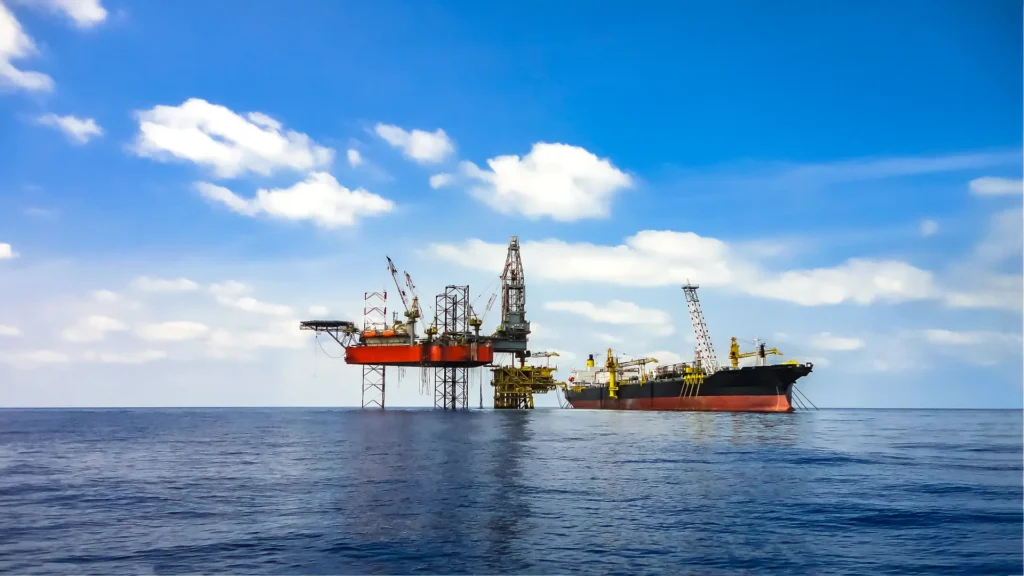
FPSO vessels have emerged as a distinctive alternative to fixed platforms and other traditional offshore systems.
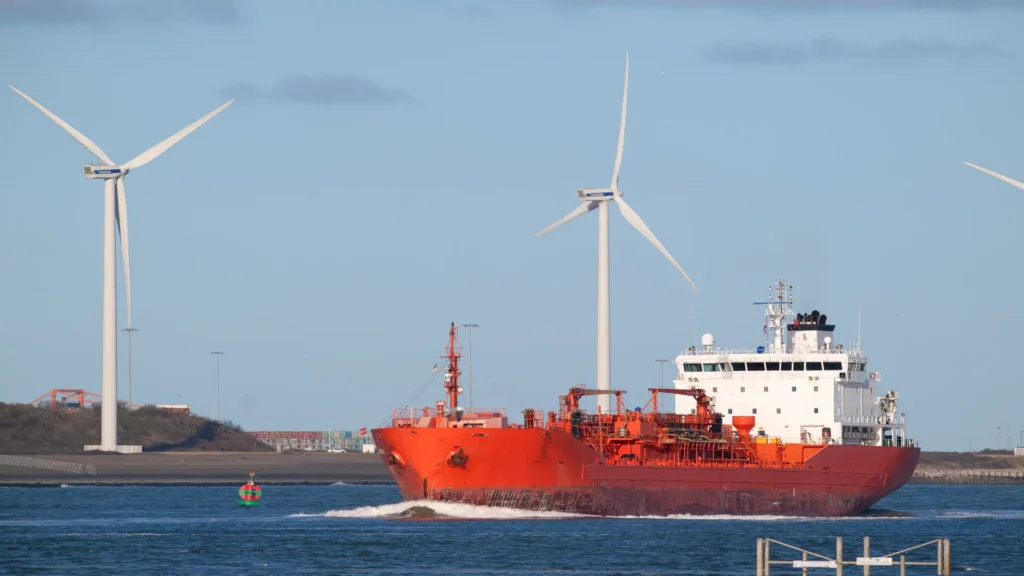
Advances in the integration of renewable energy in shipping is key to reducing emissions.
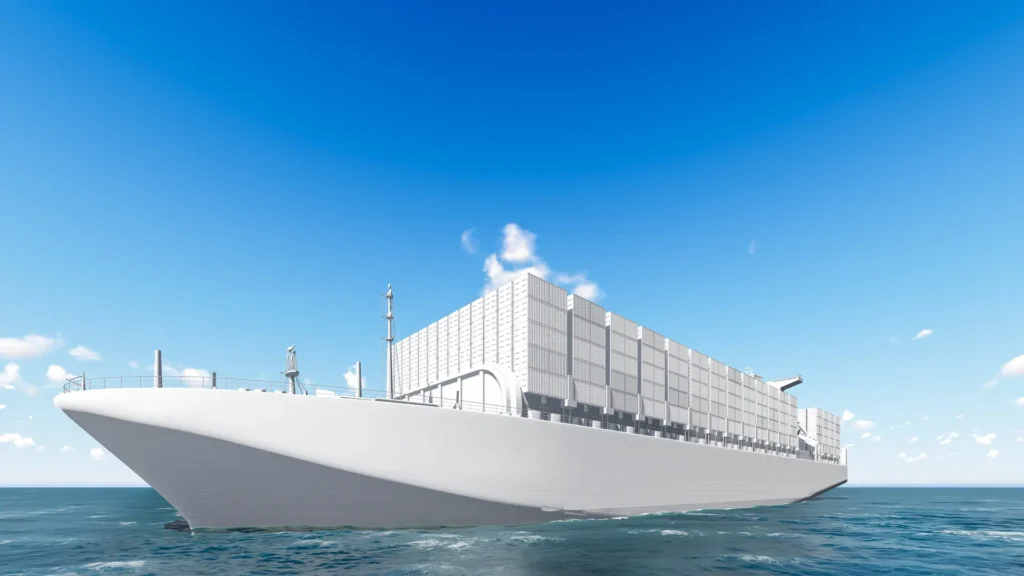
Autonomous ships are revolutionizing maritime transport, improving efficiency and reducing environmental impact.
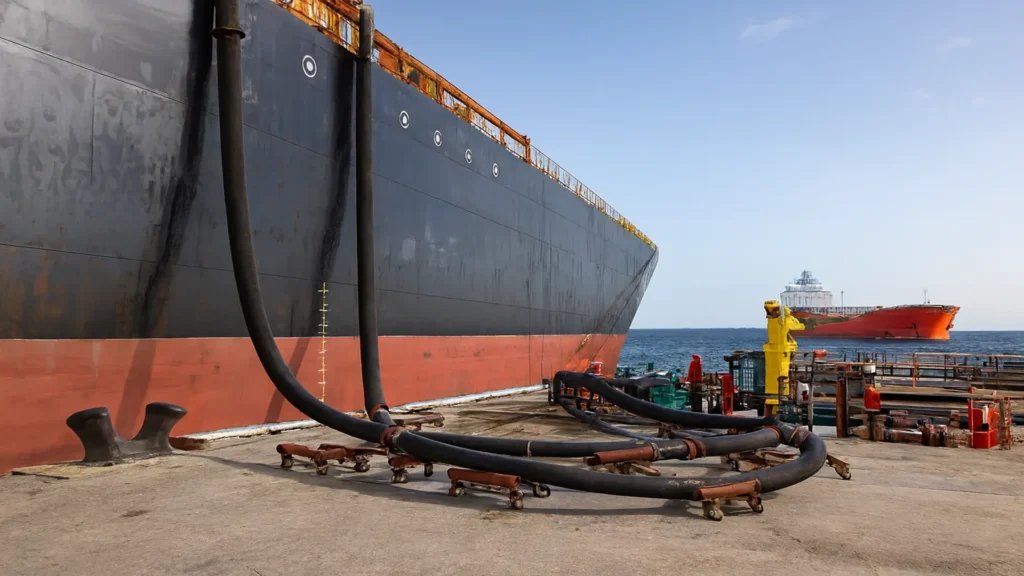
Analyzing best practices to improve the durability of marine hoses in offshore operations.

Digital and collaborative technologies drive port decarbonization, optimizing operations and promoting sustainability.