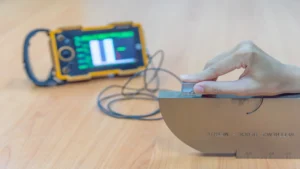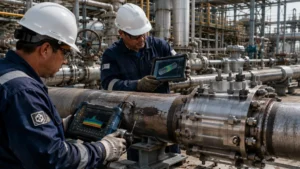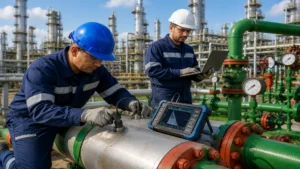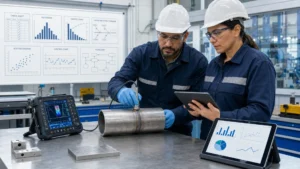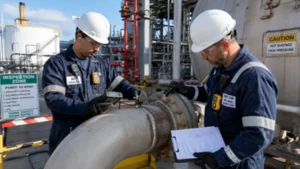
equipment inspection
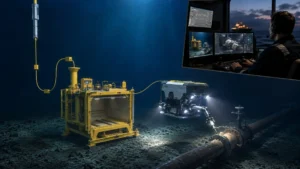
Remote inspections: Resident ROV to reduce offshore exposure
Resident ROVs support remote subsea inspections, IMR activities and reduced offshore personnel exposure.
Technical articles on inspection planning, execution, interpretation and asset evaluation.
Explore expert content on inspection methodologies, planning strategies, field applications, data interpretation and asset evaluation across critical systems.


Access our complete technical library, guides, and in-depth analyses.

Discover all our interviews, reports and video event coverage.