
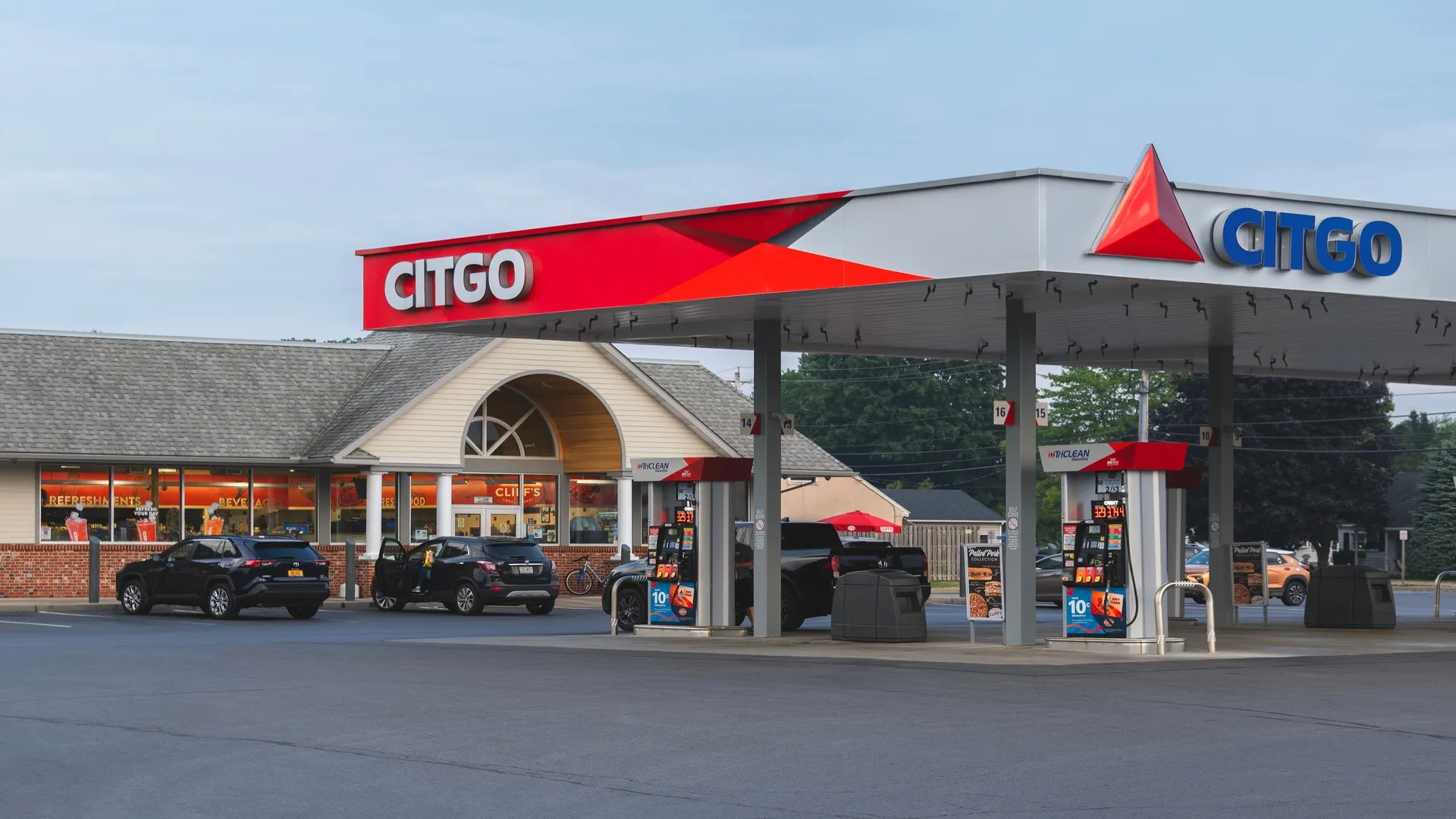
US refiner Citgo Petroleum has closed a deal to import approximately 500,000 barrels of Venezuelan heavy crude through international trader Trafigura, for delivery in February 2026. This is the first purchase of Venezuelan oil by Citgo since 2019, the year it officially cut its operational ties with its parent, Venezuelan state-owned PDVSA, due to U.S. sanctions.
Citgo’s refineries, with a combined capacity of 830,000 barrels per day, are considered among the best technically adapted networks in the United States to process Venezuela’s distinctive heavy crude oil.
A context of commercial normalization and change of ownership
This move comes at a time of reactivation of reactivation of the commercial flow of Venezuelan oil to the international market, with other U.S. refineries such as Valero and Phillips 66 also making recent purchases. to the international market, where other U.S. refineries such as Valero and Phillips 66 have also made recent purchases.
On the other hand, the purchase occurs under the shadow of an imminent and extremely complex change of ownership. Citgo is immersed in a court-ordered auction to pay Venezuela’s creditors, whose total claim exceeds US$19 billion. In November 2025, an affiliate of hedge fund Elliott Investment Management (Amber Energy) emerged as the winning bidder with a bid of approximately US$5.9 billion for Citgo’s parent company. .
However, it is important to note that this change of control has not been officially consummated. As of January 2026, Citgo continues to operate normally in the United States while the necessary regulatory approvals are completed and pending legal appeals are resolved.
A key move for operational efficiency
In recent years, the company has reported financial results that reflect the challenges of operating with non-optimal feedstocks, although it showed a net income of US$167 million in the third quarter of 2025. The reacquisition of this specific crude could consolidate and improve these margins, optimizing the performance of its refineries in Texas, Louisiana and Illinois.
Source: Reuters