As part of the OSRL 2025 event, Sam Bowden, Managing Partner of Well Control Solutions (WCS), shared details about his company's role in managing critical incidents such as oil well explosion in the oil industry. With extensive experience in fire and blowout control and blowouts on land and inland waters, Bowden highlighted the importance of international alliances to deal effectively with these types of emergencies.
According to Bowden, the integration of WCS as a supplier within Oil Spill Response Limited (OSRL) has enabled a substantial improvement in their response capability. This collaboration has given them access to highly specialized teams and professionals from different countries, allowing them to form more robust emergency response teams.
"When an event occurs, we are able to convene the best in the world, thanks to the OSRL network," Bowden said. This synergy enhances WCS's reach in regions such as the Middle East, South America and Africa, and also promotes technical exchange and continuous improvement in performance protocols.
WCS stands out for its operational approach in scenarios that do not require subsea intervention, its solutions are designed to act in the event of an oil well explosion on land or in coastal waters, where surface systems are key. Its resources include capping stacks and blowout preventers adjustable according to the type of incident.
Each system is custom-designed for the situation, taking into account the particularities of the affected well.
"Having redundancies in our BOPs allows that if one valve fails, another one comes into action to stop the flow."
Bowden explained.
A central point for WCS is prior preparation with the operators. "Before signing a contract, we get to know the client's equipment, facilities and production plan. We conduct drills and technical sessions to be ready for any scenario," said Bowden.
This strategy helps anticipate potential logistical or regulatory obstacles, especially when working in countries with complex regulations. Bowden noted that having active relationships with customs and government authorities can make the difference between a successful intervention and one that is delayed by weeks.
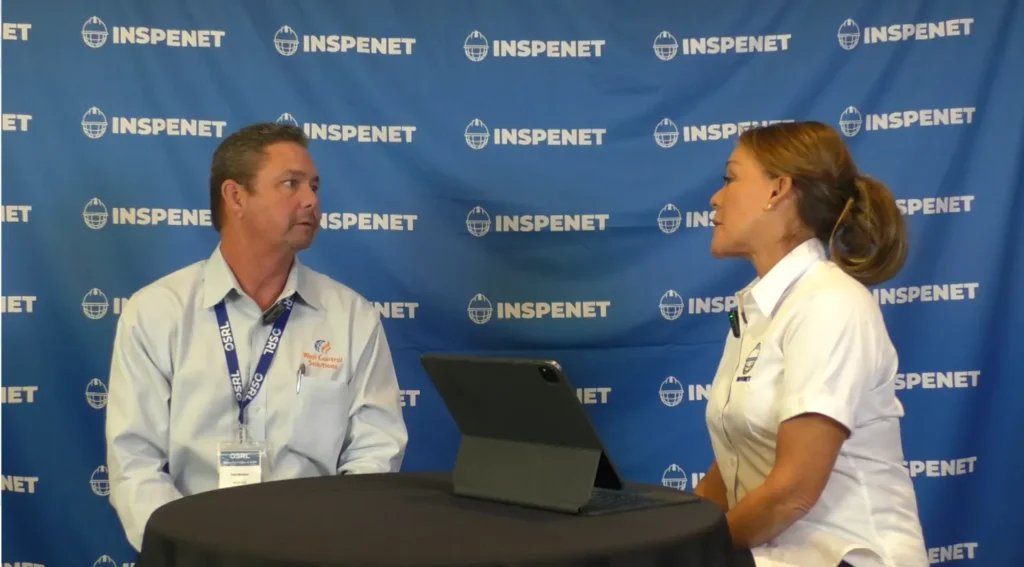
While many companies in the industry have similar technology, for WCS the difference is in human capital. "They may have the same equipment, but not the same people," said Bowden, who valued experience as an essential asset; collaboration with OSRL allows them to quickly connect with experts from other member companies, which expands technical capacity in the field.
This approach is also reflected in their training strategy. Although they recognize that many of their professionals already have consolidated careers, they are also incorporating new talent, whom they train to ensure operational continuity in the future.
WCS maintains an active participation in industry conferences such as those organized by API, SPE, IADC and OSRL. These events allow them to keep abreast of technological innovations, emerging regulations and best practices in the industry.
"It's the only way to stay current: attend, learn and share," Bowden commented on the need to always be aligned with industry developments.
The experience of WCS in real incidents, combined with its participation in OSRL, positions the company as a relevant actor in the prevention and control of emergencies related to oil well explosion. Its strategy based on anticipation, technical alliances and human value, allows them to act efficiently in critical contexts where time and knowledge are decisive factors.
For more content about OSRL 2025, please visit our LinkedIn profile.
Source: Inspenet.