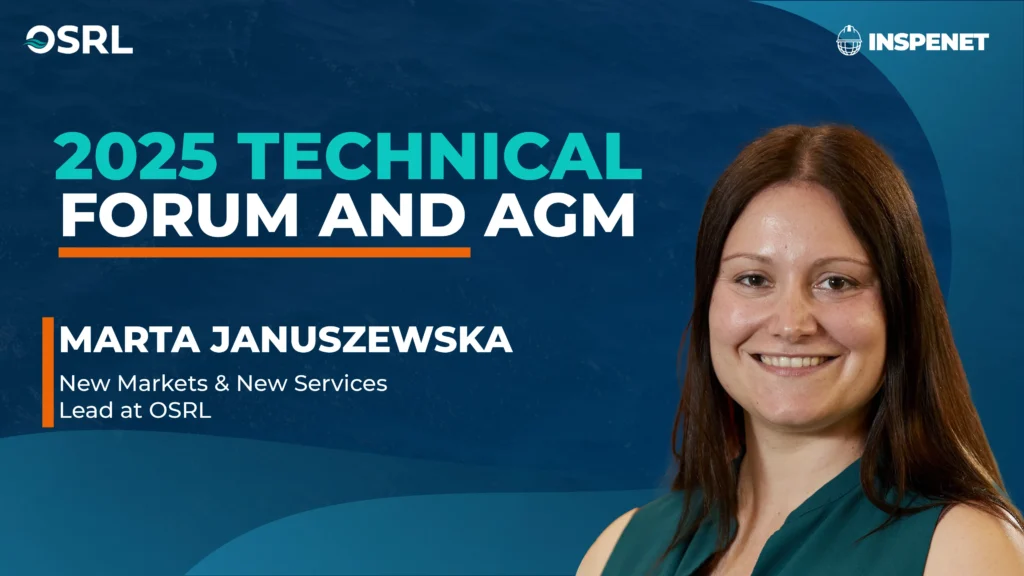
The energy transition is accelerating the emergence of new risks that require specialized solutions. At the OSRL 2025 event, Marta Januszewska, New Markets and New Services leader, shared how the organization is adapting its emergency preparedness and response model to accompany its members in the challenge of operating in sectors such as offshore wind, hydrogen and ammonia.
Since its founding in the 1980s, the company has been a global benchmark in oil spill management. With more than 170 members worldwide and a presence in 13 international bases, its cooperative approach has enabled it to offer effective solutions, specialized resources and highly trained personnel.
As its members become involved in clean energy projects, OSRL has begun to explore how its expertise can be translated to these contexts.
"Our goal is to anticipate risks and accompany operators from the beginning of their entry into these markets."
Marta Januszewska explained.
Although renewable renewable energies have a different risk profile than oil, they are not exempt from incidents. For example, during the construction phase of offshore wind farms, large vessels are used which can generate light hydrocarbon spills; this type of situation requires an adapted and specific response.
One of the main lines of action has been the design of customized training. This cooperative is developing a training program aimed at offshore wind farm operators, in order to increase awareness of the real risks in these facilities and provide concrete tools to act in the event of spills.
"Even if it's green energy, the risk is there and we need to make sure teams are prepared to respond," Januszewska stressed. The trainings range from crisis and incident management to understanding specific products, their behavior in the marine environment and the steps required for containment and cleanup.
As part of its strategy to expand into emerging sectors, the company has established new alliances with global stakeholders. These include its integration with Renewables UK and the Global Wind Energy Council (GWEC), organizations with international reach in the field of renewable energies.
Collaboration with these networks enables the company to contribute its emergency response expertise within an increasingly diversified value chain. It has also linked up with the Global Subsea Response Network, which is particularly relevant in the field of offshore decommissioning, where risks also require expert management.
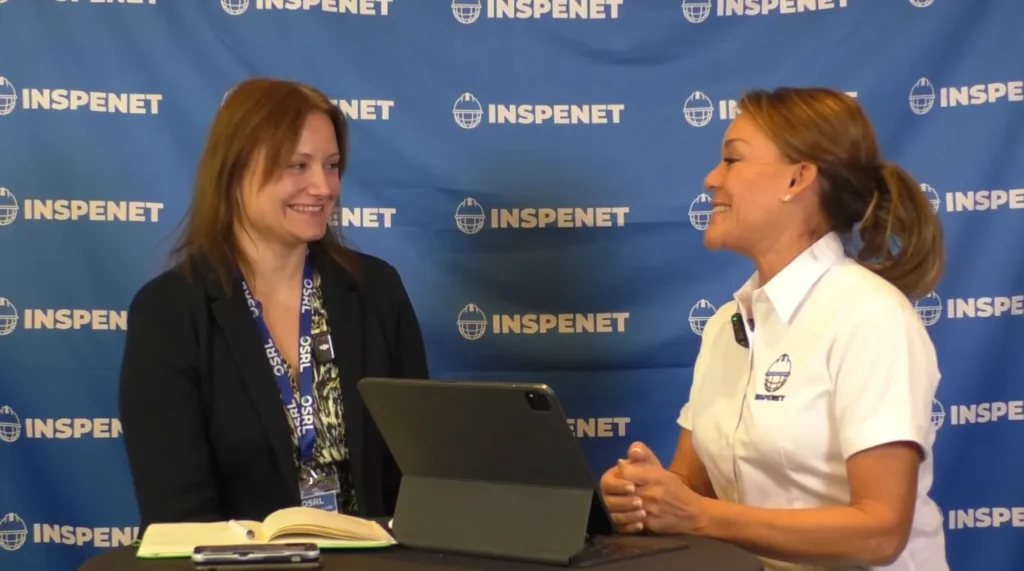
Another front that the company is tackling is supporting governments in regions where there are no clear environmental regulations. Thanks to its experience, the organization acts as a facilitator for countries to adopt regulatory frameworks adapted to their own risks, without having to start from scratch.
"It's not about reinventing the wheel, but about adapting existing good practices to the context of each country," explained Januszewska. To achieve this, OSRL promotes spaces for dialogue such as national forums, workshops and technical meetings with local authorities.
The objective is to balance regulatory compliance with respect for international standards, without compromising the safety of operations.
Unlike other entities providing similar services, OSRL does not operate under a commercial model. It is a member-funded cooperative, which allows it to maintain constant operational capacity, available response teams and a global infrastructure ready to be activated.
According to Januszewska, this makes the company unparalleled in the world: "No other organization combines expertise, equipment and global presence with a collectively sustained model".
The participation of OSRL in renewable sectors is not only a strategic adaptation, but a natural evolution of its commitment to incident prevention and preparedness. Its ability to anticipate industry changes and build technical networks in new energy markets positions it as a key player for the next decade.
Closing her speech at the event, Marta Januszewska made it clear that OSRL does not wait for risks to occur, but actively works to ensure that the industry is prepared beforehand, which is probably its main advantage.
For more content about OSRL 2025, please visit our LinkedIn profile.
Source: Inspenet.