At the OSRL 2025 event, Brett Morry, Subsea Manager Americas, shared a clear vision of the preparedness and coordination required for effective subsea emergency response. Representing Oil Spill Response Limited (OSRL), Morry spoke about the value of acting before incidents occur and how international technical cooperation is more important than ever.
With more than 300 professionals spread across 13 bases, OSRL is positioned as the world's largest cooperative dedicated to oil spill response, supporting operators and governments with technical resources, trained personnel, and a global network of strategic partners. However, as the interviewee made clear, having equipment is not enough if functional relationships and operational agreements are not cultivated in times of calm.
From his experience in the field and in complex operations, Brett Morry emphasized that preparedness is not limited to drills or inventories; it requires mutual trust between players who must collaborate quickly when a loss of well control occurs.
"This is not the time to ask 'who are you,' during an incident. That question should have been resolved earlier. In a crisis, what you should ask is 'how are you?"
said Morry.
The phrase sums up OSRL's preventive approach, focused on generating strong links with third party specialists, responsible for critical aspects such as logistics, mechanics, well intervention or training.
A concrete example of this philosophy is the Global Subsea Response Network (GSRN), a network created to connect leading companies with specific subsea capabilities. OSRL, far from centralizing all operations, acts as a facilitator of talent and technology, selecting the best suppliers to support its clients.
During the GSRN technical forum held at OSRL 2025, the organization offered operators the opportunity to meet first-hand the teams that could assist them in the event of an emergency. All this in order to put a face to the experts behind each subsea solution.
The recent history of the industry continues to be marked by events such as the Macondo spill in the Gulf of Mexico. For Morry, that episode is a reminder of what happens when alliances are not previously defined.
In that context, the response was improvised by multiple actors without prior coordination, prolonging containment and multiplying environmental and reputational costs. "Macondo made it clear that the industry cannot operate in isolated compartments," he said.
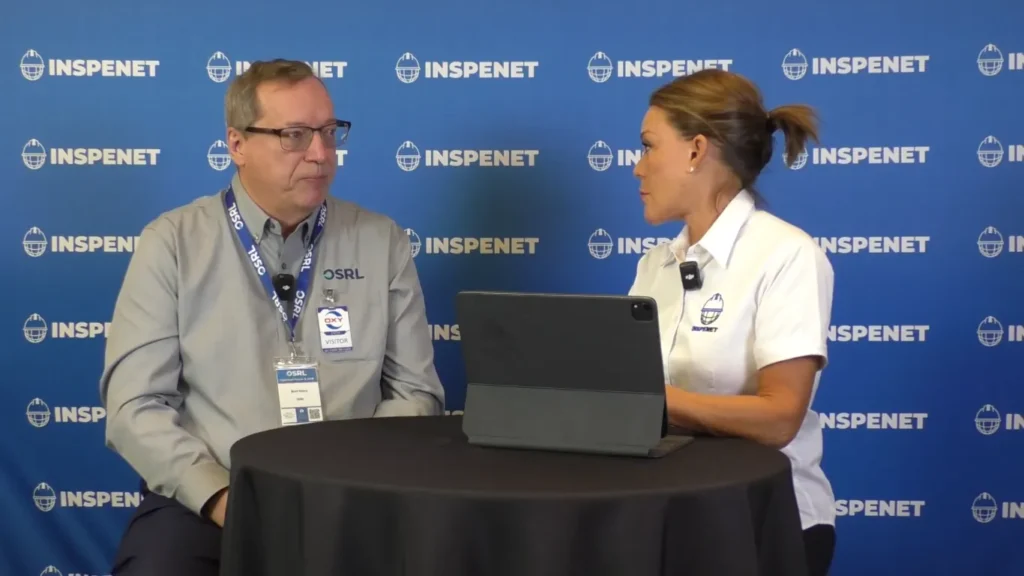
One of the cornerstones of OSRL is its cooperative model, whereby the more members participate, the more robust the network becomes and the more efficient the sharing of operating costs. This allows even operators without internal resources to access world-class capabilities in the event of a contingency.
In addition to hardware and logistics, OSRL offers policies, protocols, trained personnel and pre-existing agreements that expedite decision-making during an emergency. This hands-on approach is possible because its board of directors is made up of the operators themselves, ensuring that its services respond exactly to what the industry requires.
Despite technological advances, the interviewee warned of a latent risk: the loss of a sense of urgency in the industry. As major incidents recede, some companies reduce relevant personnel or cut training budgets, weakening their response capabilities.
OSRL detected this trend and seeks to counteract it with new tools, including advanced simulators and artificial intelligence, to make exercises as realistic as possible.
For more content about OSRL 2025, please visit our LinkedIn profile.
Source: Inspenet.