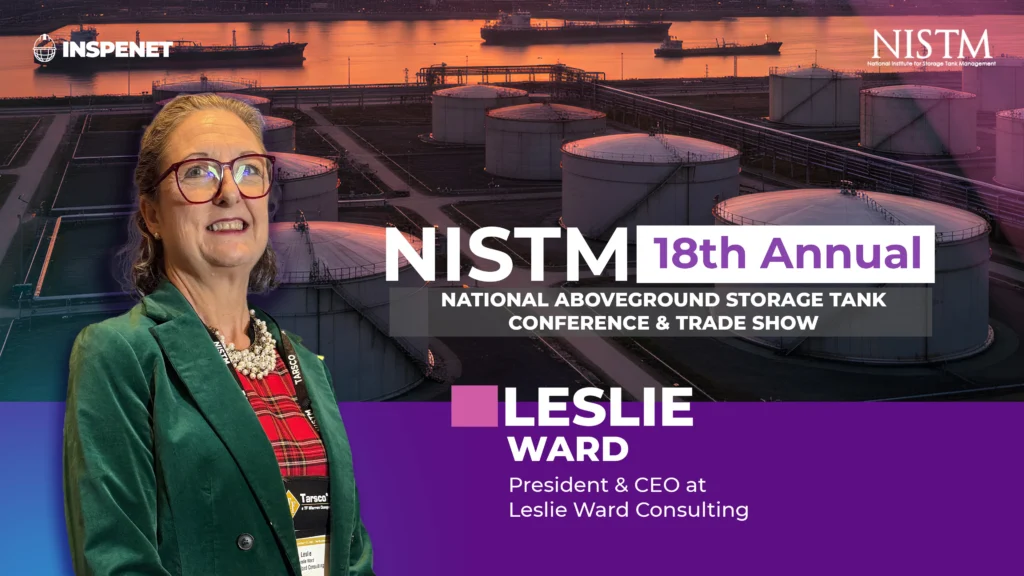
During her participation in the NISTM 2025 event, Leslie Ward, president and CEO of Leslie Ward Consulting, shared her insights on the critical role of mentoring for female engineers within the oil and gas industry. With a well-established technical background and a clear focus on mechanical integrity, Ward represents an authoritative voice driving urgent conversations about female leadership and the challenges that remain for women in technical spaces.
In addition to running her own consulting firm, Leslie Ward has also been active in formal and informal mentoring, currently working with undergraduate engineering students at Auburn University, her alma mater, offering guidance on technical and career issues. This practice, which extends beyond the borders of the United States, has also led her to support young women engineers in countries such as Brazil.
Ward also holds regular meetings with female professionals in the sector to share experiences, resolve technical doubts and discuss common situations in the work environment. These types of networks are presented as spaces for support, learning and strategy, especially valuable for those who are starting their careers in a predominantly male environment.
Despite advances in inclusion, Ward notes that many women engineers continue to face inappropriate behavior and disrespect in professional environments. In technical meetings, she says, it is common that the same idea presented by a woman does not receive the same level of attention or recognition as if it were presented by a male colleague, and this difference in the perception of technical knowledge continues to be one of the main obstacles for many professionals.
She also highlights the difficulties some women face in interacting with clients who do not always understand the boundaries between work and personal. Leslie shares that in her experience, setting clear boundaries from the beginning is crucial in handling these types of situations.
"It must be clearly stated which behaviors are appropriate and which are not."
Ward stated.
Mentoring for women engineers not only serves to strengthen technical knowledge, according to Leslie, but is also a tool to increase confidence, provide emotional support and help more women decide to stay in the industry. In a demanding and sometimes hostile environment, having the support of experienced professionals can make a significant difference.
This accompaniment takes on special value when it comes to women who are exploring their place within technical teams or leading projects in the field. Ward stresses that the transfer of experiences, even those that include mistakes made, can prevent future failures and accelerate the professional growth of new generations.
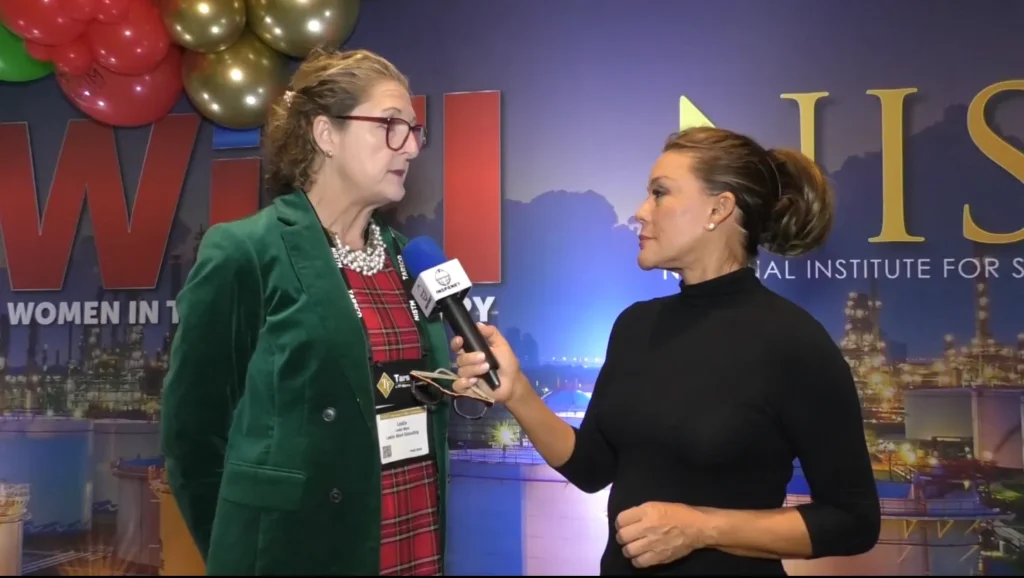
One of the proposals that Leslie Ward brought to NISTM 2025 was the idea of unifying efforts between different women's organizations. While she leads "Women in Mechanical Integrity", she mentioned that she would like to collaborate with other networks such as WITI (Women in the Tanks Industry), with the goal of creating a collective force to promote women at all levels of the industry.
The synergy between these groups would make it possible to share resources, make achievements visible and create common strategies that benefit women engineers at all stages of their careers. This type of collaboration also helps to consolidate a fairer and more balanced work culture.
Leslie's participation in NISTM 2025 brought to the table the structural challenges faced by women engineers and also reaffirmed the value of mentoring for women engineers as a tool for transformation. Her commitment, both technical and human, provides a concrete example of how leadership can be combined with mentoring to create lasting change.
From direct contact with students to the articulation of international networks, Leslie Ward's work represents a comprehensive and realistic approach to what it means to be a woman in the oil industry today. In her vision, supporting and training other women is not a secondary option, but a necessity if a more equitable and competitive industry is to be achieved.
For more content about NISTM 2025, please visit our LinkedIn profile.
Source: Inspenet.