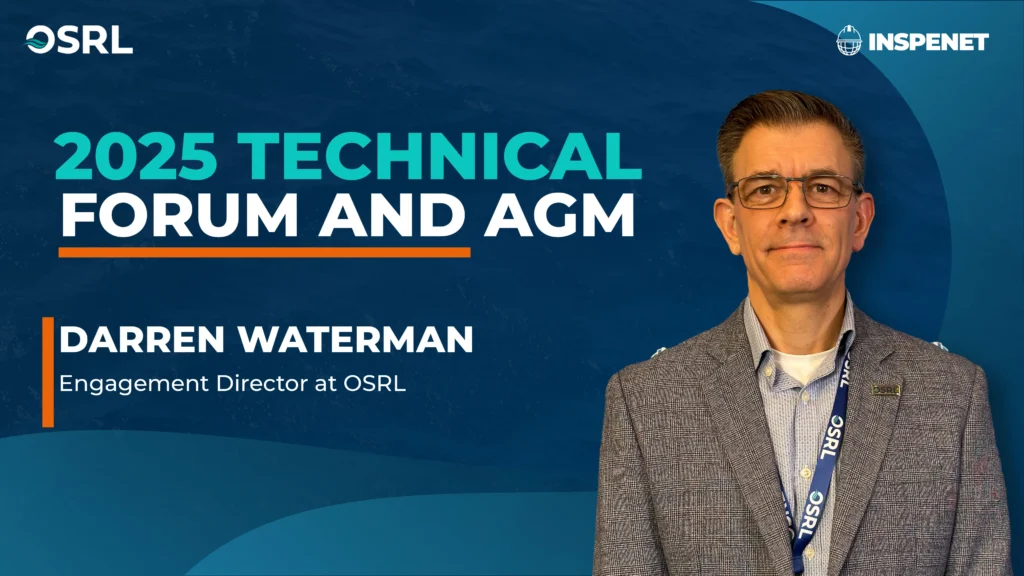
At the OSRL 2025 event, Darren Waterman, Engagement Director of Oil Spill Response Limited (OSRL), shared how the organization is adjusting its strategy to align with changes in the energy sector and the energy transition. With over 40 years of experience, OSRL is the largest industry-funded cooperative for oil spill preparedness and response.
OSRL operates under a membership model in which resources and capabilities are pooled to address low probability but high impact events, as Waterman explains, "it doesn't make sense for each company to invest individually in a response capability it will rarely use." By pooling resources, OSRL ensures cost efficiency and consistent operability, with trained and active teams.
This cooperation is adapted to a complex environment: OSRL has members from all over the world, each with its own priorities, regulations and operational maturity. Therefore, the organization works with a regionalized engagement strategy, identifying what interests and concerns each member in order to offer tailored solutions.
One of the most relevant points Waterman addressed was how OSRL is expanding its scope to accompany companies in their energy transition. While the main focus is still on oil spill response, OSRL is expanding its scope of oil spills The organization already offers capabilities for incidents related to other energy sources, such as wind farm construction, carbon storage and ammonia bunkering.
"We don't lead their transition, we support them in their preparation challenges," he said. This evolution also includes crisis management services, contingency plans and support in decommissioning processes, which are becoming more and more frequent as production cycles are closed.
One of the biggest challenges facing the industry, according to Waterman, has to do with access to and use of certain important inputs for response, such as dispersants. Changing, and in some cases restrictive, regulations make it difficult to keep stockpiles available or to replenish them, and the public debate around techniques such as in situ burning is generating resistance from non-industry players.
In this context, OSRL promotes the use of the NEBA (Net Environmental Benefit Analysis) approach, a methodology that allows for the evaluation of the response strategy that offers the least net environmental impact in each situation. Tools such as CEMIS (Spill Impact Mitigation Assessment) provide structure to these decisions and allow for technically sound arguments to be presented to regulators and governments.
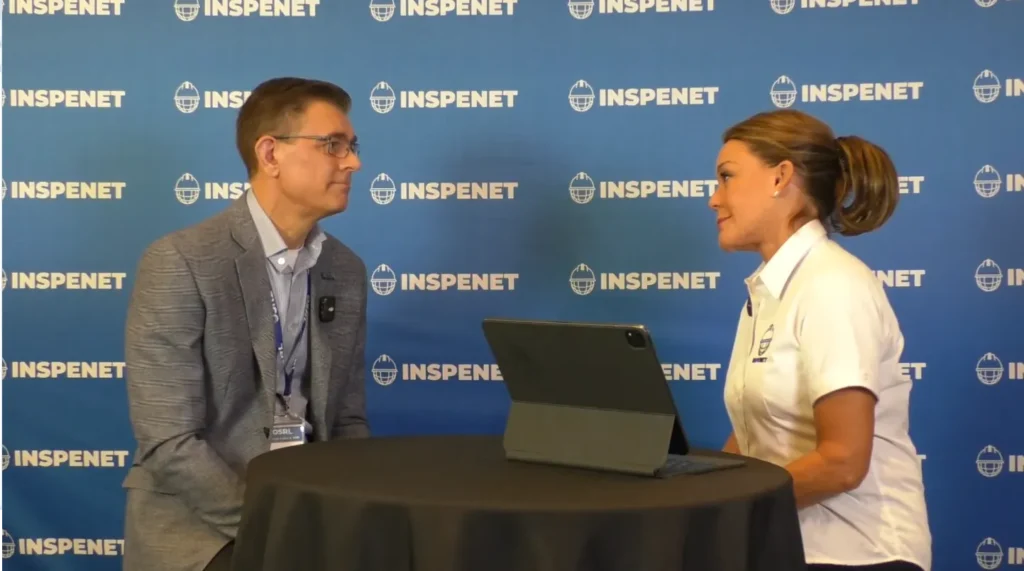
Another important element is the difficulty of maintaining stable relationships with member companies due to the high turnover of personnel.
"There's always someone new on the other side, and that involves explaining from scratch who we are and how we work."
Waterman commented.
This dynamic forces OSRL to constantly renew its communication and training strategy, both at the technical and institutional levels.
In parallel, the organization works to strengthen links with governments and other stakeholders, promoting the adoption of best practices backed by evidence and experience. This cross-sectoral dialogue is essential so that, in the event of an emergency, the response is not limited by regulatory barriers or lack of understanding.
Since its foundation, OSRL has evolved with the needs of the industry. The energy transition, new risks and public and regulatory pressure pose complex scenarios, but also opportunities to consolidate a broader, more flexible and effective preparation.
"Our role remains the same: to be ready to support our members in the face of any incident. Only now, those incidents may arise in very different environments and contexts than we were familiar with a decade ago."
Darren Waterman concluded.
For more content about OSRL 2025, please visit our LinkedIn profile.
Source: Inspenet.