
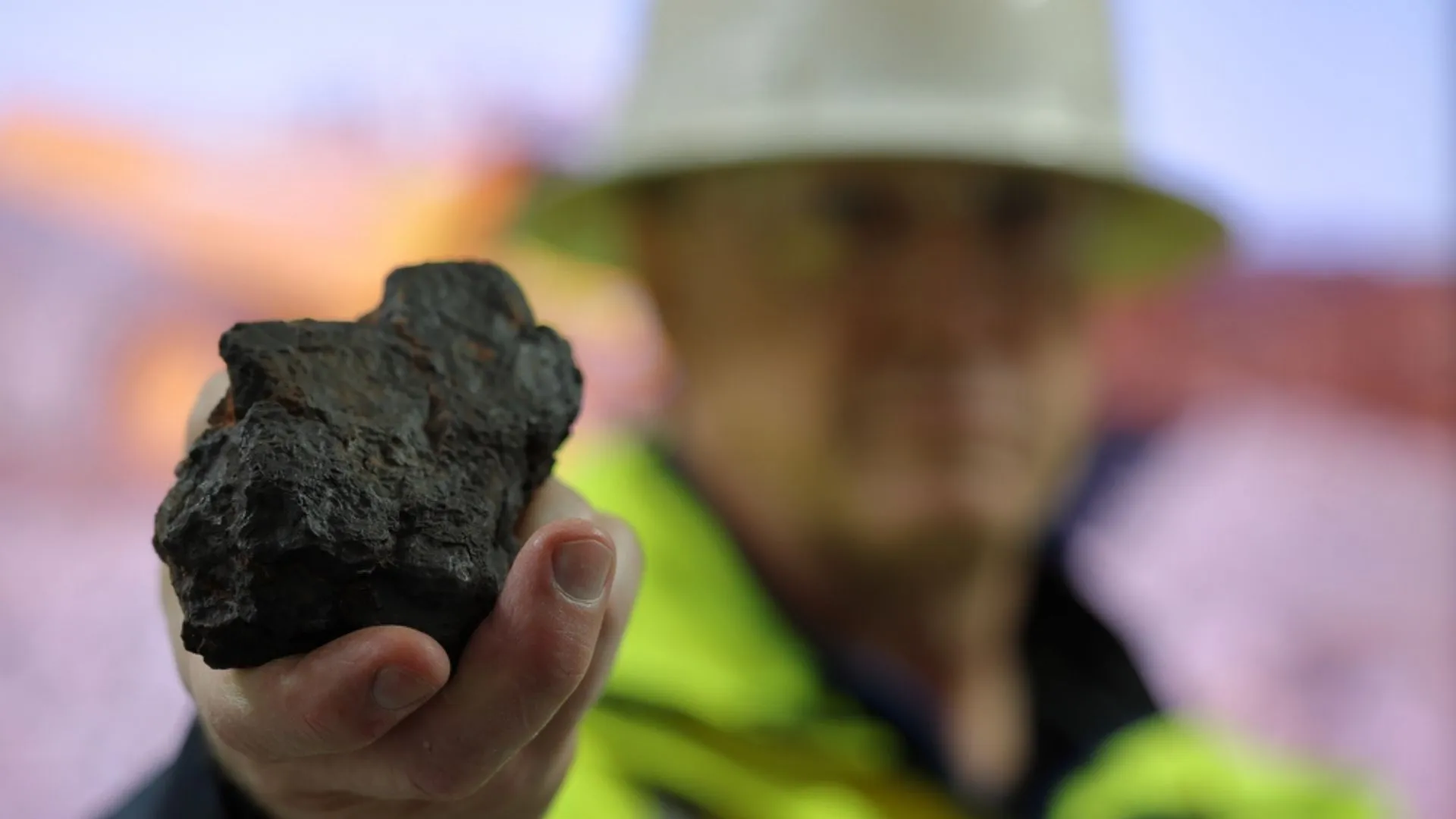
Zimbabwe’s Ministry of Mines announced the immediate suspension of exports of all raw minerals and lithium concentrates, a measure directly targeting resource leaks and non-compliance by companies in the sector. The new policy also affects shipments already in transit and will remain in effect until further notice.
Raw lithium exports under state control
The decision aligns with the national strategy to promote industrialization through local processing. Zimbabwe has increased its spodumene production in recent years, and in 2025 alone, it exported more than 1.1 million metric tons of lithium concentrates, most of which were sent to China to be refined into materials suitable for batteries.
The goal is to curb malpractice and prevent minerals from leaving the country without real benefit to the local economy.
The Ministry stated in a press release addressed to mining companies.
Chinese companies in the spotlight
Zimbabwe has attracted significant investment from Chinese giants such as Zhejiang Huayou Cobalt, Sinomine Resource Group, Chengxin Lithium, and Yahua. These companies have rapidly expanded their lithium extraction and transport capacity, but they must now adapt their operations to the new requirements.
Huayou recently completed the construction of a $400 million plant designed to transform concentrates into lithium sulfate. For its part, Sinomine plans to install a similar $500 million facility at its Bikita mine, representing a step toward compliance with state-imposed value-added regulations.
Adjustments to the export system
The government reported that mining export mechanisms are being reviewed to seal the loopholes allowing the uncontrolled leak of minerals. Authorities are expected to impose new traceability and tax compliance requirements in the coming months.
The country, considered one of Africa’s largest producers of battery minerals, is aiming to establish itself as a key player in the global lithium supply chain, but with greater value retention within its borders.
What changes for the mining industry?
The industry faces a paradigm shift: lithium can no longer leave the country without having undergone some form of industrial processing. Foreign companies operating in the territory will have to demonstrate concrete investments in processing plants if they wish to maintain their operations.
The measure has caused concern in international markets, but analysts also view it as a logical step in Zimbabwe’s attempt to move away from an extractive model that lacks local benefits.
Source: Reuters
Photo: Shutterstock