
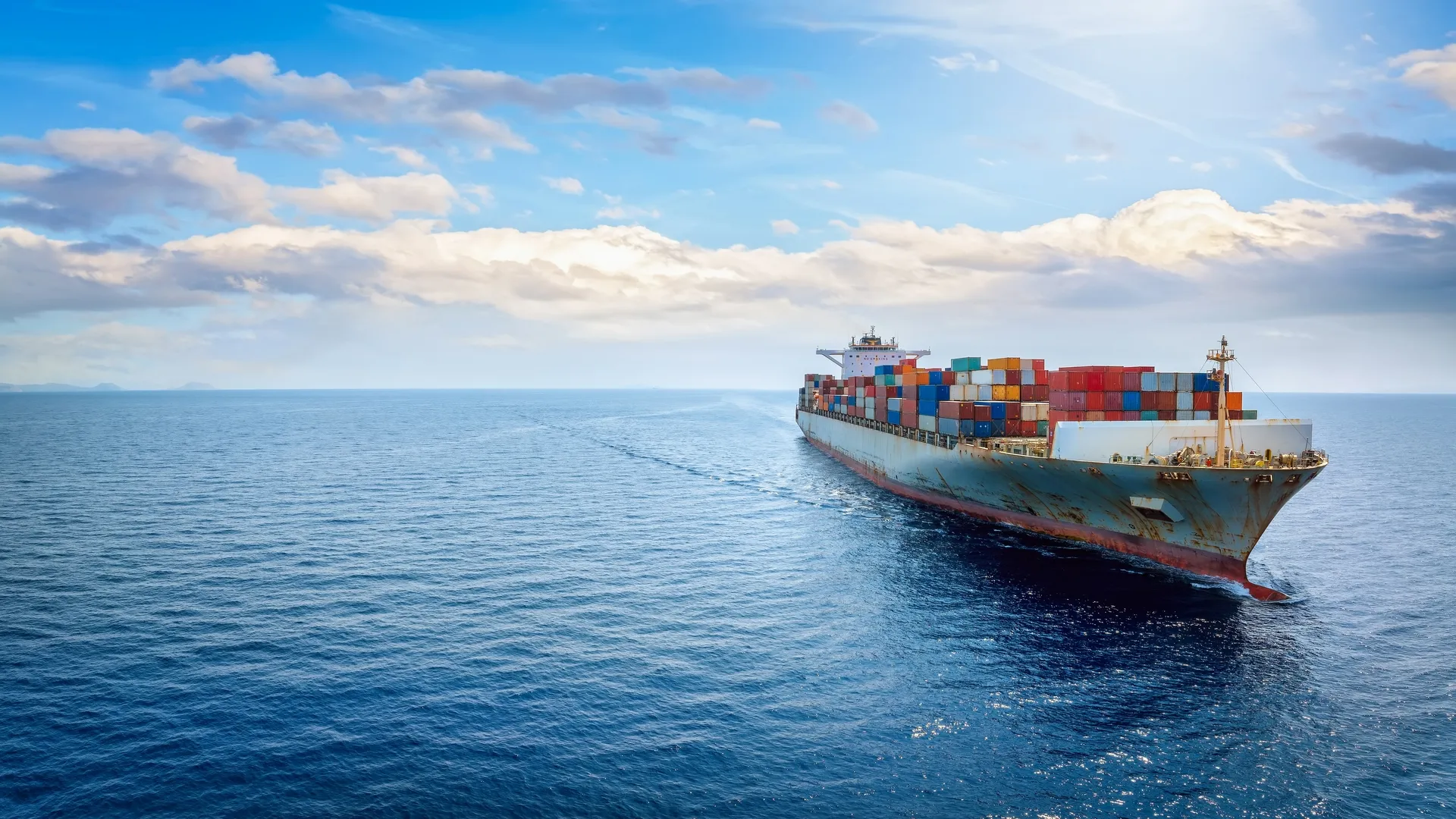
2025 made it clear that volatility in the shipping industry is the new normal. With the delay of IMO’s Net Zero Framework (NZF) until 2026, global regulatory clarity has given way to a period of uncertainty. However, companies such as WinGD have taken the initiative to move towards maritime decarbonization through applicable and scalable technology solutions
The industry is at a crossroads where technology decisions, operational strategies and collective action will determine whether climate targets for 2030 and 2050 are met.
New technologies already in the water
WinGD kicked off 2025 with delivery of the first engine X-DF-Mmethanol-optimized X-DF-M engine, and adoption was immediate with nearly 100 units ordered. Midway through the year, the company took another crucial step by installing the first ammonia-fueled two-stroke marine engine on an EXMAR LPG vessel, boasting a reduction of up to 95% in tank-to-wake emissions.
Before the end of the year, the company launched the model X-DF-M/Edesigned to run on ethanol, an emerging option that combines low prices and high emission reduction potential, especially as a complement to green methanol.
Acting from experience
Although the lack of clear policies and financial incentives slows down the mass deployment of green fuels, WinGD has shown that it is not necessary to wait for regulation to act. In collaboration with pioneering shipowners, it has brought these fuels to real operations, demonstrating their feasibility and effectiveness.
This strategy based on operational experience allows industry players to gain practical knowledge about new fuels, strengthening the confidence of the maritime ecosystem to invest in sustainable technologies.
Immediate solutions for an existing fleet
With more than 50% of the fleet that will operate by 2030 already in service, retrofitting existing engines is emerging as an effective solution to reduce emissions immediately. The company has already converted 3 diesel engines to run on methanol and has implemented variable compression technology to reduce methane slip in LNG-fueled X-DF engines, with positive results on vessels operated by CMA CGM.
In addition, the company has strengthened its presence with WinGD Global Service, offering technical support, spare parts and advice throughout the vessel’s life cycle. This approach seeks to ensure the sustainable performance of fleets beyond initial delivery.
High-pressure motors for ultra-large container ships
In response to market demand, the company launched the X-DF-HPits first high-pressure dual-fuel LNG engine, designed specifically for ultra-large container vessels (ULCVs). This engine is Tier III compliant in both diesel and gas mode, using only a standard SCR. In addition to ease of installation in shipyards, it offers significant improvements in fuel efficiency over other high-pressure alternatives.
2026: a turning point for maritime decarbonization
With engines already in operation and a tangible experience base, 2026 is shaping up to be the year when the industry can regain momentum. WinGD’ s new LNG portfolio is poised to facilitate a transition to biomethane or synthetic methane, while methanol, ethanol and ammonia engines will set a precedent for further large-scale deployments.
While regulatory policies are still under construction, the technology is ready and proven. For maritime decarbonization to move forward strongly, the industry needs clear leadership, cross-cutting collaboration and a vision aligned with climate goals.
Source: WinGD
Photo: Shuttertock