
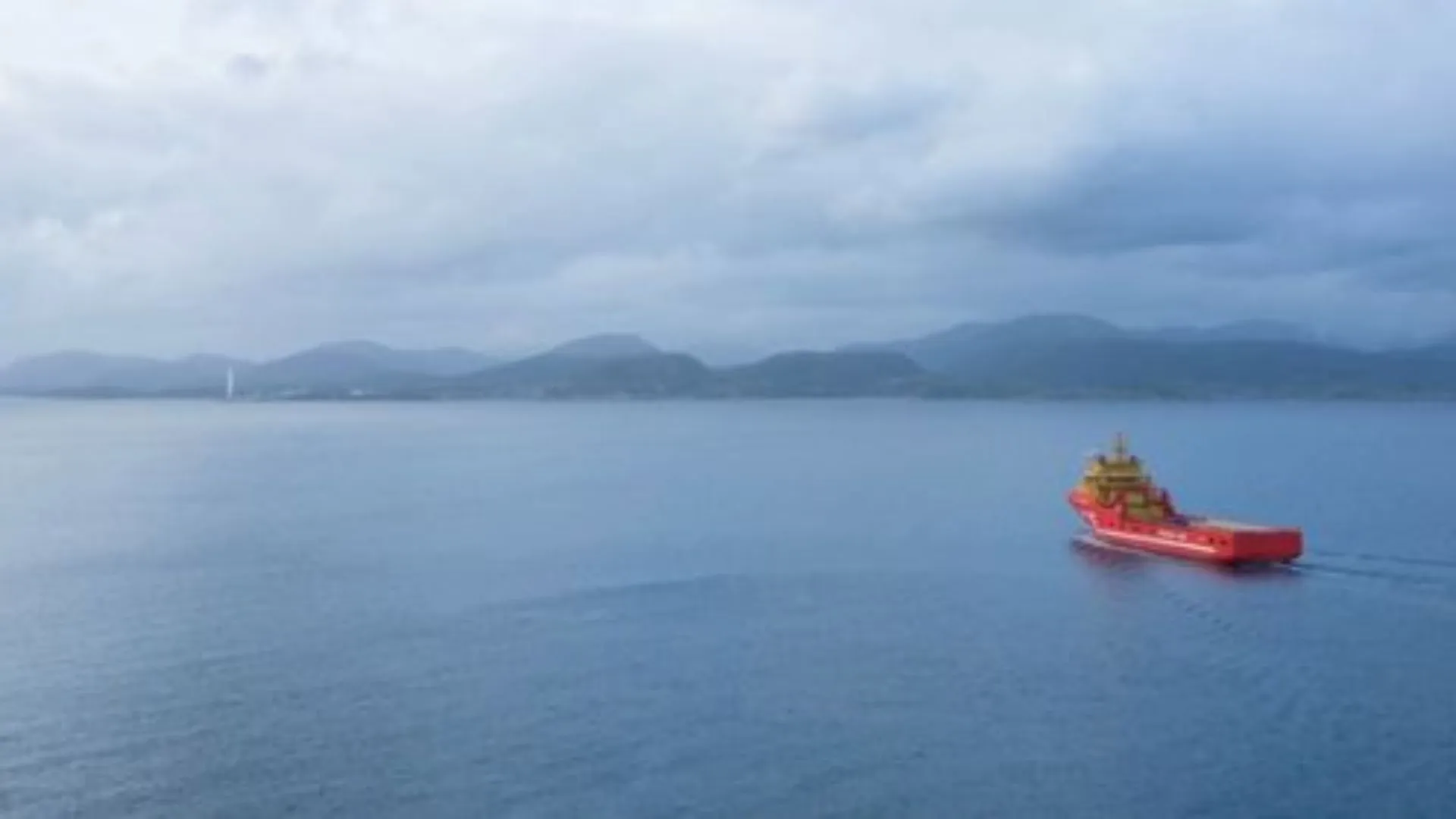
This spring, the Halsnøy Dokk shipyard is at the center of a significant conversion. Eidesvik Offshore, in collaboration with Equinor, is leading the modernization of the Viking Energy under the Apollo project. The modification includes the installation of a Wärtsilä-developed dual-fuel engine capable of using ammonia as its primary energy source.
At the heart of this transformation is the new Wärtsilä marine engine, which will allow switching between diesel and ammonia depending on operational conditions. This technology not only reduces over 70% of greenhouse gas emissions but also positions the Viking Energy as a replicable model for future adaptations in the maritime industry.
Technical Collaboration and Decarbonization Progress
The momentum of this project has been made possible by Equinor’s commitment and Eidesvik Offshore’s technical expertise. Both companies have joined forces to generate practical knowledge on the use of ammonia under real navigation conditions. “It is encouraging to see the progress of the project,” commented Mette Ottøy, Equinor’s Vice President of Joint Operations Support.
The Viking Energy will be the first offshore supply vessel converted to operate on an alternative fuel that emits no CO2 during combustion. This opens new possibilities for maritime supply routes and sets a precedent for the use of clean technologies on an industrial scale.
Operational Expectations and Project Future
Conversion work continues to advance in Norway, and the vessel is expected to be operational this autumn. If stable performance is achieved, it will mark a turning point in the use of ammonia as a viable marine fuel for offshore operations.
We will continue to lead initiatives that accelerate emission reduction in the maritime sector.
Stated Helga Cotgrove, CEO of Eidesvik Offshore.
This project makes the Viking Energy a tangible example of how the industry can move towards climate neutrality without compromising its operability.
Source and photo: Eidesvik Offshore