
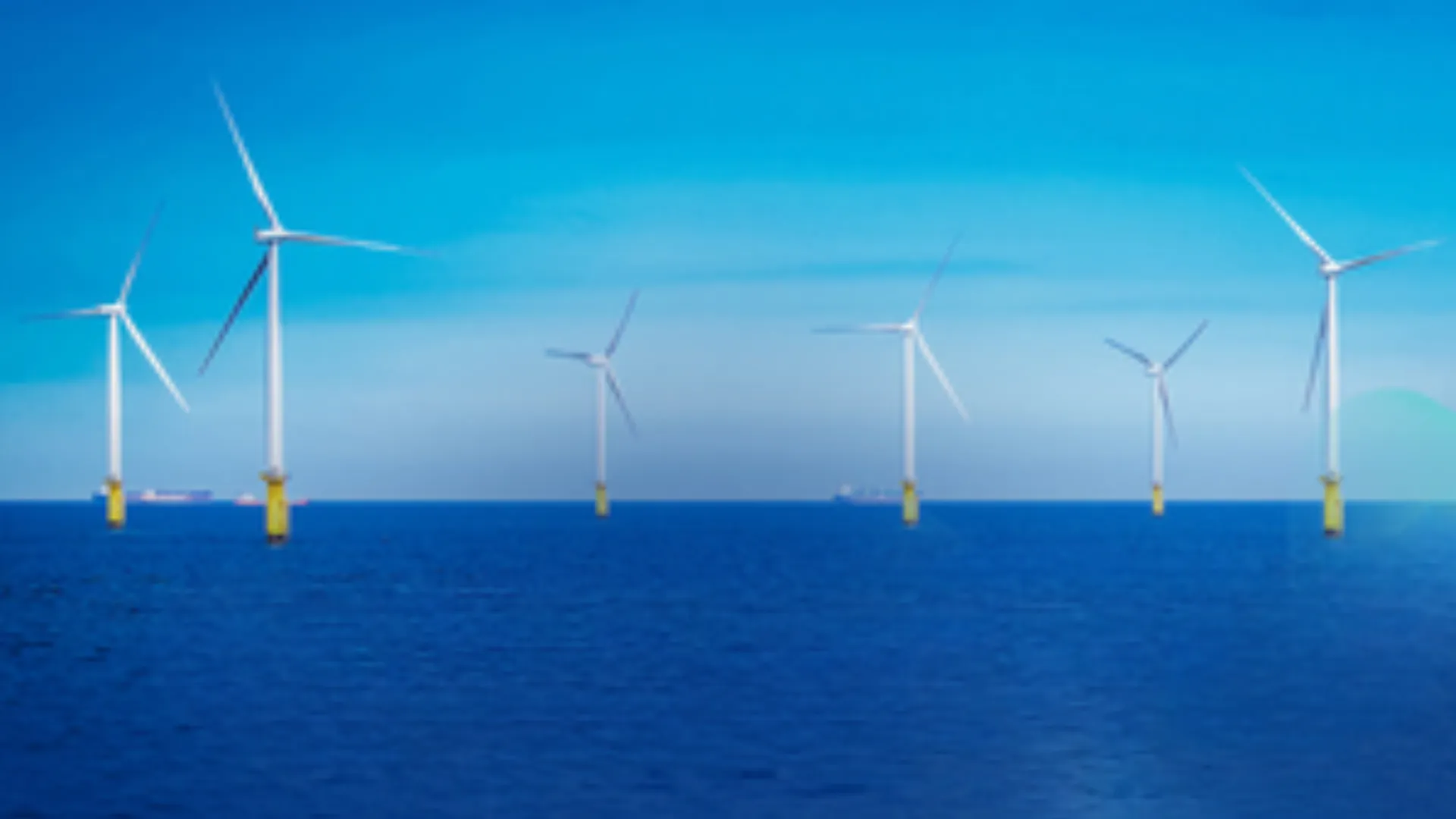
During the Future of the North Seas Summit in Hamburg, British Energy Secretary Ed Miliband signed an agreement alongside his counterparts from countries such as Germany, Denmark and France. The goal: to deploy 100 gigawatts of renewable energy through wind projects, capable of powering millions of homes and businesses across the continent.
Infrastructure for future wind projects
The agreement includes not only the installation of offshore turbines, but also the development of electrical interconnections between countries. These systems, known as hybrid offshore assets, will allow energy to be distributed efficiently through submarine cables, reinforcing grid stability and reducing dependence on fossil fuels.
This push for renewables comes in response to global market volatility and the geopolitical use of energy supply. It also aligns with previous commitments in the region to reach 300 GW of North Sea wind power by 2050. Private industry has already reacted: a recent auction in the UK awarded 8.4 GW in projects, attracting investment of £22 billion and generating 7,000 new jobs.
RenewableUKThe agreement strengthens the UK’s role as a benchmark in green energy technologies. British companies are positioned to lead the development of shared grids and technical solutions, such as the new joint connection systems between wind farms. Industry voices, such as National Grid Ventures and RenewableUK, underline that this shared vision allows optimizing resources, reducing costs and expanding export opportunities.
The plan also considers bilateral agreements between the United Kingdom and neighboring countries to facilitate joint project planning, define equitable financing mechanisms and promote technical standardization. These measures seek to consolidate a robust and secure grid in the face of geopolitical risks, ensuring a stable supply of clean energy in the long term.
With this alliance, the North Sea consolidates itself as the hub of a European energy transition strategy, where regional collaboration is seen as the most effective way to build a sustainable future. The agreement sets a new standard for international cooperation in renewable energy, with far-reaching technical, economic and political implications.
The development of hybrid offshore assets places the UK and its European partners in a strategic position to master a technology that will be key to the future energy architecture. This interconnected platform will not only diversify clean energy sources, but will spur innovation in subsea engineering and open up markets for high value-added exports.
The Hamburg Declaration also establishes a policy framework that aligns the regulations and long-term visions of the signatory countries. This joint effort includes the harmonization of regulatory frameworks and cooperation in maritime security to protect critical infrastructure. All this with the support of public and private entities that see in this alliance a strategic opportunity for the continent’s energy stability.
Source and photo: GOV.UK