
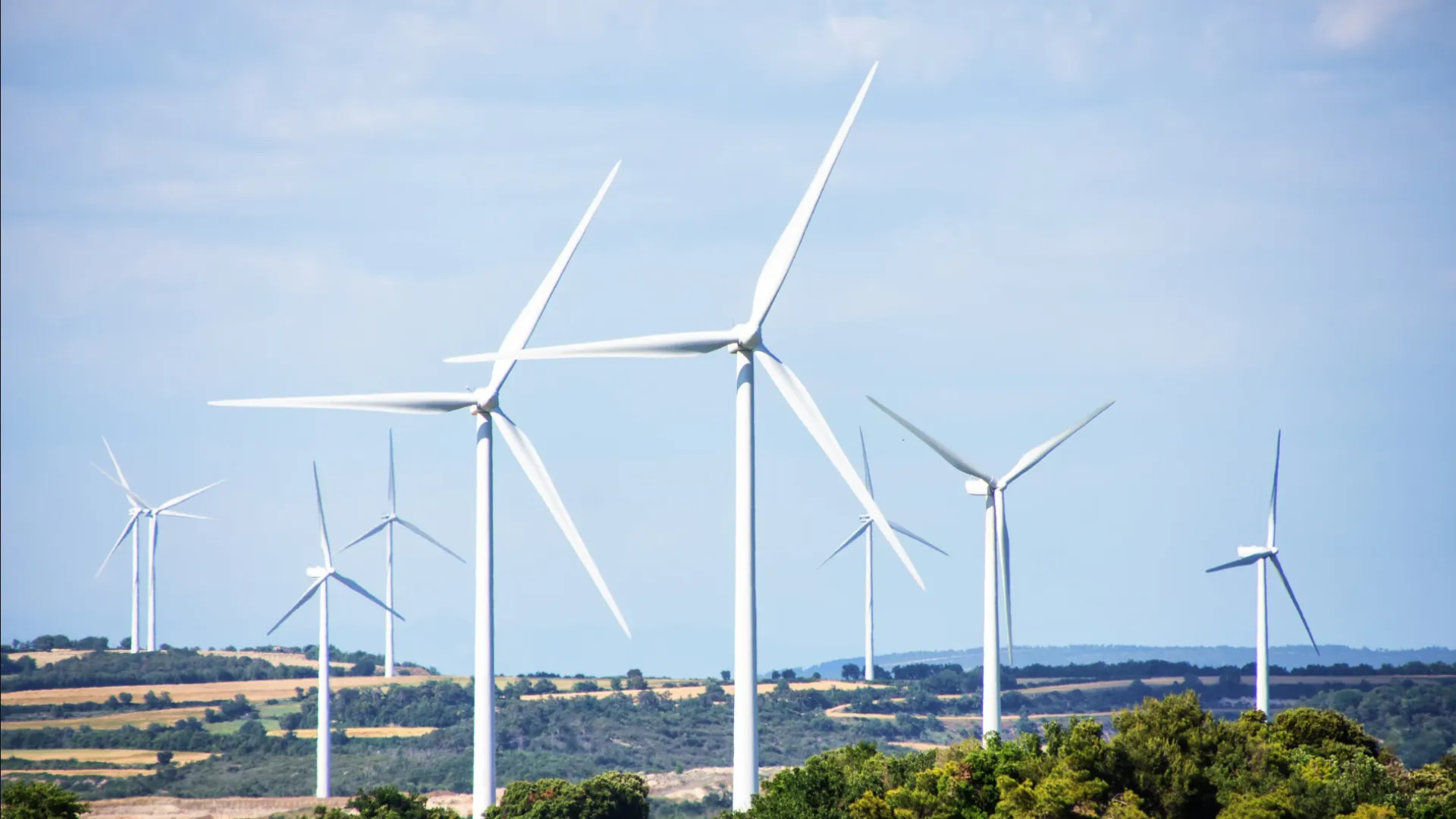
The UK government has set a historic precedent by awarding 8.4 GW of offshore wind power in the seventh round of Contracts for Difference(CoD7) auctions. This capacity is equivalent to the annual electricity supply for more than 12 million UK homes.
Offshore wind power auction seeks economic recovery
After the setback suffered in the fifth round of auctions, where no offshore wind projects were assigned to offshore wind projects were not assignedprojects, this award represents a strategic revival of the sector. The success of AR7 demonstrates the government’s effective redesign of the auction scheme and restores investor confidence in the UK energy market.
Offshore wind was 40% more affordable than the estimated cost of building and operating a new gas plant. The average price awarded was £90.91/MWh, compared to £147/MWh for gas-fired generation. The difference is evidence of the growing role of renewables as a cost-effective alternative to fossil fuels.
Among the most important projects are Dogger Bank South and Norfolk Vanguard off the east coast of England, Berwick Bank in Scotland, and Awel and Môr in Wales, which resumed that nation’s participation after more than a decade. In addition, floating developments such as Erebus and Pentland were awarded, improving the country’s position in emerging technologies.
The auction will unlock approximately 22 billion pounds in private investment. Some 7,000 jobs are expected to be generated in multiple regions, strengthening the economy and revitalizing local communities with well-paying jobs in the energy industry.
Companies such as SSE, RWE, Masdar, Siemens, Stadtwerke München and KKR will manage the construction and operation of the new wind farms. The Contracts for Difference mechanism, managed by Low Carbon Contracts Company(LCCC), has been instrumental in providing long-term stability to developers.
The United Kingdom is projecting towards an energy matrix with a high renewable share by 2030, reducing its dependence on imports and gas markets. Energy planning envisages increasing demand up to 2050, with a focus on clean technologies such as offshore wind, solar and onshore wind.
Investments in offshore wind have begun to positively influence wholesale prices. Recent studies indicate a drop of up to 25% in electricity prices during 2024, attributed to the growth of renewables.
Source and photo: GOV.UK