
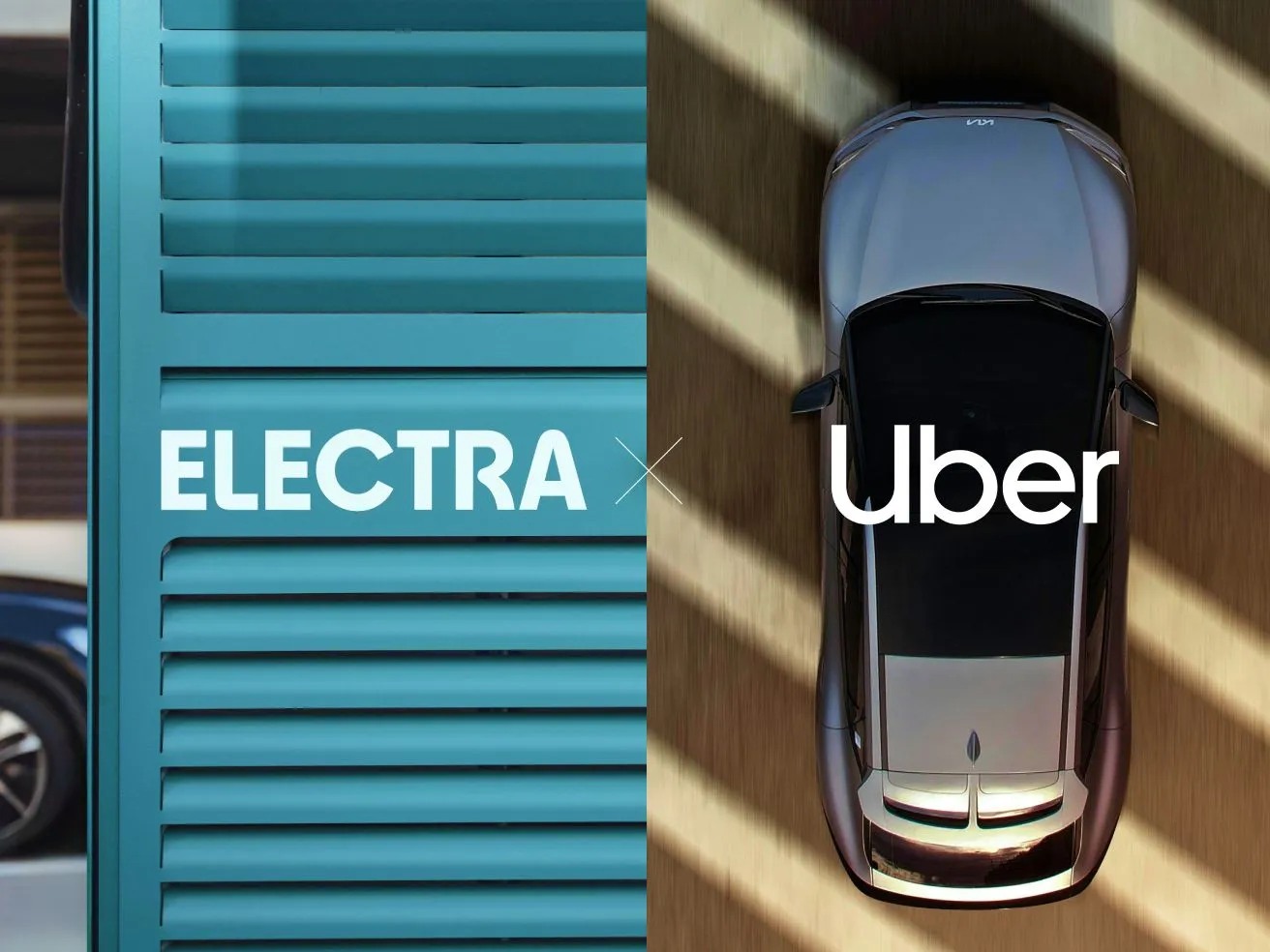
Uber backs Electra for its European electric transition
Uber has taken a decisive step on its roadmap towards sustainable mobility. The transport platform has selected just five electric vehicle charging operators worldwide to accelerate the electrification of its driver network, and Electra is the only partner chosen to lead this transformation in Europe.
The announcement, officially made on February 23, represents international recognition of Electra’s business model and its execution capabilities in the fast-charging sector. The French company thus positions itself as a key player in the energy transition of urban transport.
The alliance is no coincidence. Electra boasts a network of strategically distributed ultra-fast chargers, making it the ideal candidate to support a demanding fleet like that of professional Uber drivers in the two selected capitals.
Madrid and Paris, First Markets in Historic Agreement
The agreement positions Madrid and Paris as the launch cities for this collaboration, making them the first European markets where Uber drivers will have access to dedicated and priority charging infrastructure. This milestone places the Spanish capital on the map of professional electromobility at a continental scale.
This choice is not arbitrary. Both cities have a high density of Uber drivers and are experiencing growing demand for electric vehicles in passenger transport. Electra’s infrastructure in these markets will enable fast charging adapted to the work cycles of professional drivers.
For Spain, the agreement also represents a sign of confidence from the European technological ecosystem in the maturity of its electric market. Madrid becomes a laboratory for a model that could be replicated in other cities across the continent in future phases of the project.
Over 100 Exclusive Charging Points for Uber Drivers
The first phase of the agreement includes the development or expansion of over one hundred charging points dedicated exclusively to professional Uber drivers. This priority charging network will guarantee minimal waiting times and availability adapted to the operational needs of those working with the platform.
The data is revealing: one hundred charging points is not just infrastructure; it’s a statement of intent. Electra is not committing to a symbolic collaboration, but to a real and scalable implementation that responds to the growing demand for electric mobility in the private passenger transport sector.
Uber, for its part, reinforces its global commitment to electrify its fleet with this investment. The platform has already announced that it will allocate significant resources to facilitate its drivers’ access to electric vehicles and the necessary infrastructure to operate them efficiently and profitably.
A Model Shaping the Future of Urban Electric Mobility
Beyond the numbers, this agreement defines a new paradigm in the relationship between mobility platforms and charging operators. The integration between Uber and Electra establishes a B2B urban electromobility model that could become a benchmark for the sector at European and international levels.
Electra defines it clearly: “This is more than a simple collaboration. It is a strong recognition of our model, our execution, and our ambition to lead the fast-charging revolution in Europe.” A statement that reflects the company’s confidence in its ability to scale the project beyond the initial cities.
The final message is unequivocal: the electrification of professional urban transport is no longer a promise but an operational reality. And Electra, together with Uber, has just kicked off a new era of sustainable mobility in Europe.
Photo: Shutterstock