
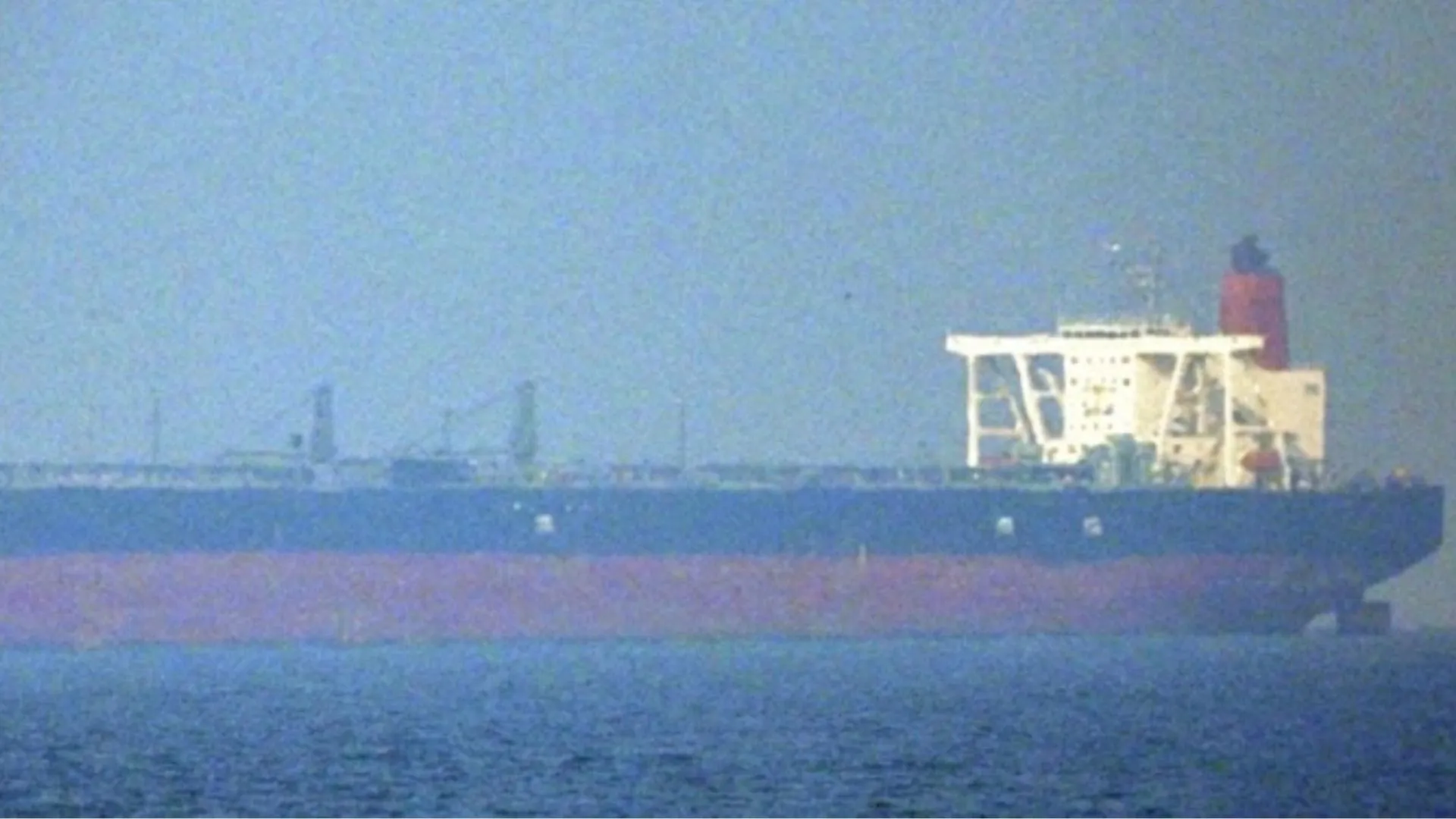
The United States Department of Justice has filed a civil lawsuit to seize the tanker Skipper and approximately 1.8 million barrels of oil. This legal action follows the interception of the vessel in December 2025, identified as acting as a funding source for the Islamic Revolutionary Guard Corps and its operational arm, the Quds Force.
Operation and Seizure of the Tanker Skipper
For years, an illicit transport structure known as the “ghost fleet” has operated with impunity to evade global sanctions. The Skipper, which previously sailed under the name Adisa, used concealment tactics such as false flags and manipulation of location systems to transport crude oil from Venezuela and Iran to restricted destinations such as Syria and Cuba.
Likewise, investigations revealed that the vessel loaded fuel at the José Terminal in Venezuela shortly before being intercepted on the high seas by U.S. authorities.
Under the direction of Attorney General Pamela Bondi, the U.S. government has intensified the pursuit of these assets to halt the flow of capital to organizations designated as terrorist.
Prosecutors maintain that the proceeds from these operations finance weapons proliferation and regional destabilization. By removing this tanker from the sea, federal agencies, including the FBI and HSI, send a direct message about the enforceability of current trade sanctions.
Following its seizure, the Skipper was transferred to the coast of Texas, where it remains in custody while the District of Columbia Court processes the forfeiture lawsuit. According to the documents filed, the seizable cargo was largely destined for the Cuban state-owned company Cubametales.
Source and photo: DOJ