
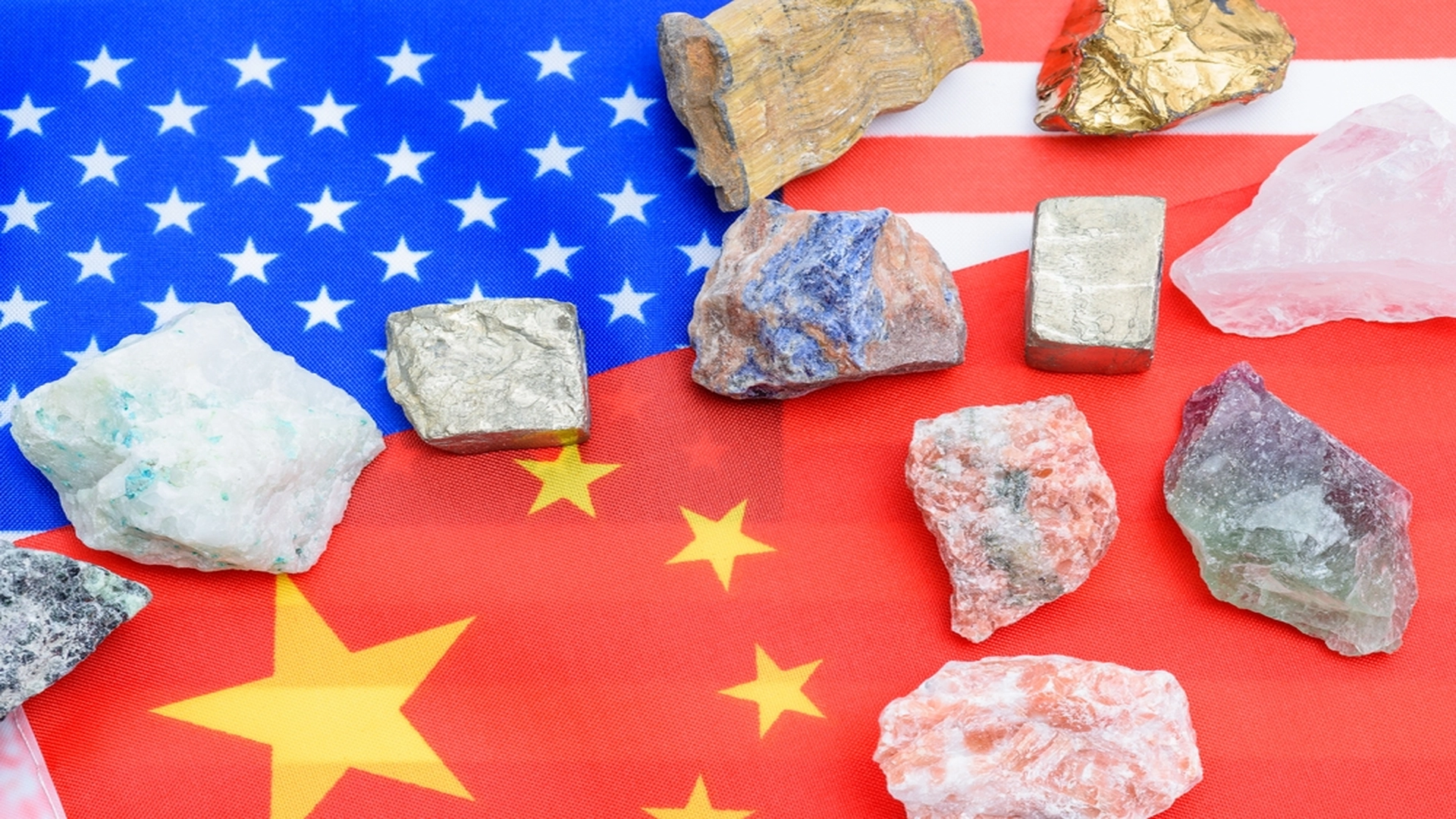
The initiative, unveiled in Washington with participation from 55 countries, aims to coordinate pricing, investment and supply chains for strategic minerals outside China.
The United States has unveiled a proposal to establish a preferential trade bloc for critical minerals, including rare earths, with allied countries such as Japan, India, Germany and members of the European Union, in a bid to reduce global dependence on China, Reuters reported.
The proposal was announced during a ministerial meeting in Washington attended by representatives from 55 countries, U.S. Secretary of State Marco Rubio said, according to Reuters. The plan includes mechanisms to coordinate pricing, financing and infrastructure to strengthen production, processing and trade of critical minerals outside China.
Scope and key mechanisms
One of the core elements of the proposal is the discussion of minimum reference prices, which would act as a market floor through tariff adjustments to prevent distortions that undermine the economic viability of mining and processing projects in allied countries, Reuters said.
The initiative also includes financial support tools, regulatory cooperation and joint investment frameworks aimed at accelerating industrial capacity development across the value chain.
Minerals covered include rare earths, lithium, cobalt and other critical inputs essential for electric vehicles, defense systems, clean energy technologies, semiconductors and advanced electronics.
Diplomatic framework and parallel agreements
The proposal is part of a broader U.S. effort to reconfigure sensitive supply chains and reduce geopolitical vulnerabilities. Reuters reported that U.S. Trade Representative Jamieson Greer confirmed progress on bilateral critical minerals agreements with Mexico, as well as trilateral cooperation frameworks with the European Union and Japan.
These parallel arrangements aim to align rules, facilitate investment and coordinate industrial policies among allied economies.
Geopolitical and market context
China holds a dominant position in both global production and processing of rare earths and other critical minerals. This concentration has raised concerns among advanced economies about exposure to potential trade restrictions and the impact on key industrial sectors.
The U.S. announcement comes amid intensifying strategic competition between Washington and Beijing, where secure access to critical raw materials has become central to industrial, energy and national security policies.
Regional implications
A critical minerals trade bloc could have direct implications across the Asia-Pacific region, where countries such as Australia, Japan and Southeast Asian economies play important roles as producers, processors or logistics hubs.
For Europe, the initiative reinforces transatlantic cooperation aimed at diversifying supply sources and supporting investment in domestic processing capacity. In Latin America and Africa, it could open financing and partnership opportunities for projects aligned with bloc standards.
International reaction
China criticized the proposal, warning that exclusive trade arrangements could disrupt the global economic and trade order, while reiterating its support for open and inclusive trade, Reuters reported.
Source: Reuters
Photo: Shutterstock