
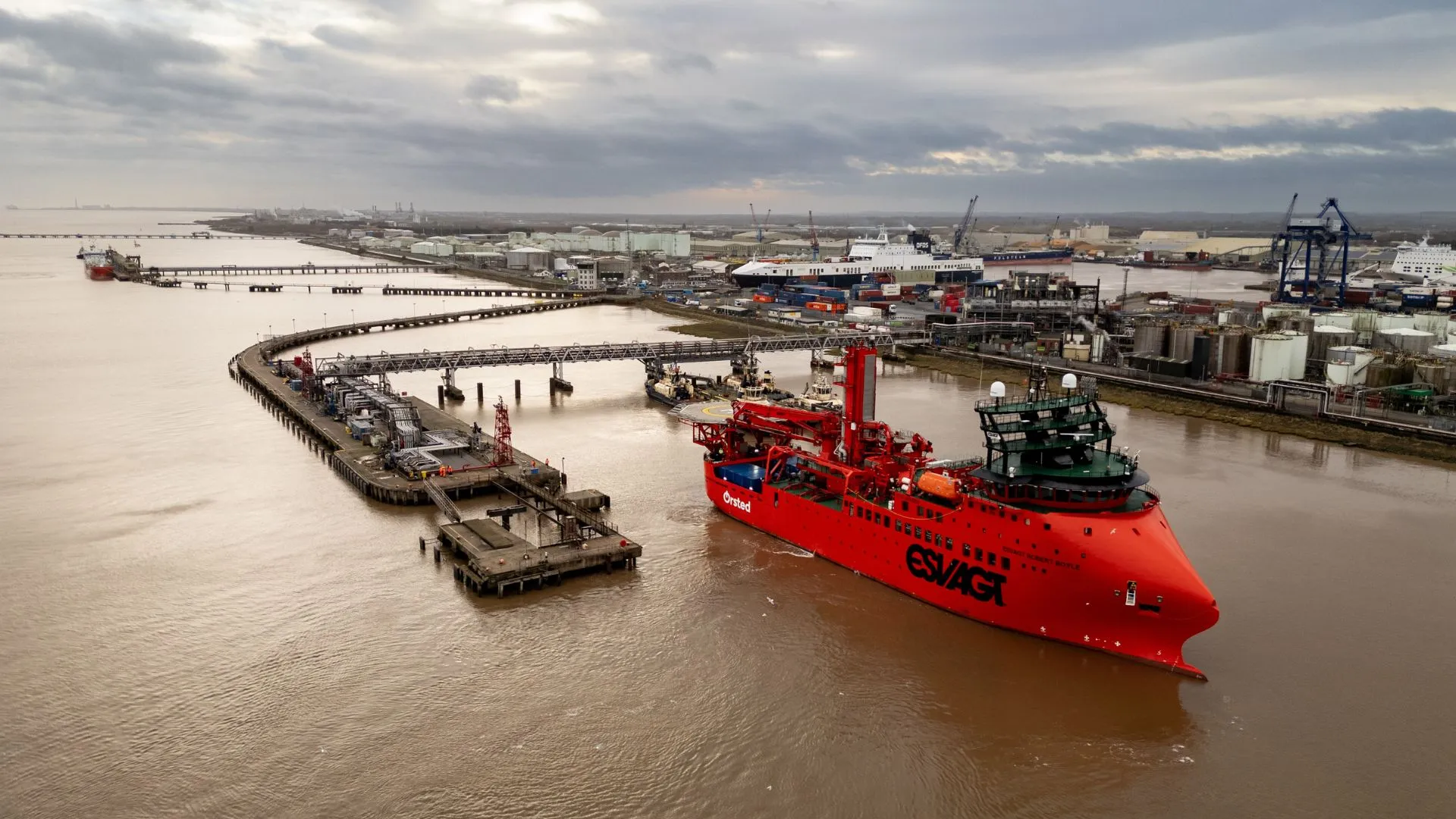
The UK’s largest port by cargo volume has launched the first commercial storage and supply service of biomethanol for ships. The initiative marks the start of regular bunkering operations with this alternative fuel in the UK.
Port of Immingham positions itself as a biomethanol node
The strategic enclave for the entry of energy and bulk cargoes allows for an expanded role in the maritime energy transition. With this commissioning, Immingham is consolidating its position as a logistics platform for low-carbon fuels for marine transport. for shipping-oriented low-carbon fuels.
Exolum provides the storage and distribution infrastructure from its port facilities. The company leverages its expertise in energy logistics to integrate biomethanol into existing assets, demonstrating that conventional infrastructure can be adapted to new energy vectors.
Methanex supplies the biomethanol that will fuel this commercial scheme. The fuel is positioned as one of the viable alternatives to reduce emissions in maritime transport, a sector considered among the most complex to decarbonize on a global scale.
In addition, Ørsted will be the first company to use the service for its offshore wind farm maintenance vessels. offshore wind farms in the North Sea. in the North Sea. The decision connects renewable generation with cleaner fuel solutions within the operational chain itself.
The project is also in line with British emission reduction targets and the need to accelerate concrete actions in a context where international regulation is still advancing cautiously.
Domestic shipping accounts for 4.7% of the CO₂ emissions associated with transport in the UK. That figure exceeds the combined emissions from buses, trains and domestic aviation, highlighting the scale of the challenge.
The entry into operation of the commercial supply of biomethanol is a tangible step forward in reducing the carbon footprint of the shipping sector and moving towards less emission-intensive operations.
The collaboration between logistics operators, fuel producers and energy companies shows a replicable model for other European ports seeking to accelerate the adoption of alternative fuels.
Source and photo: Exolum