
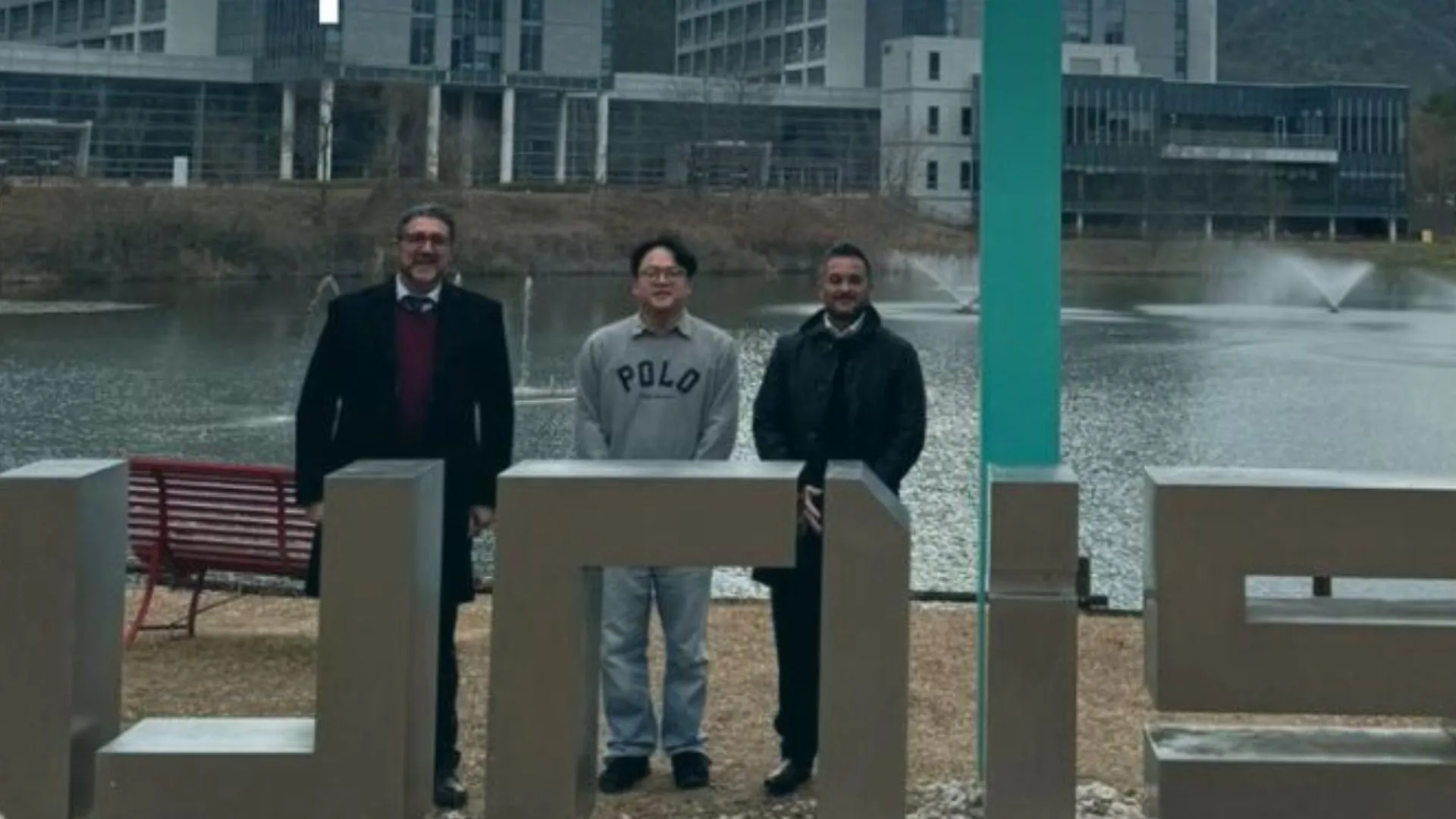
The firm Solar Earth Innovación y Tecnología is leading a consortium that seeks to implement renewable hydrogen solutions in complex logistical environments, under a real work structure supported by the CDTI and the Korean agency KAIA.
The technological core of the H2PORT project and green hydrogen
The differential value of this initiative, named H2PORT, lies in its ability to integrate energy production and storage into infrastructures that have relied on polluting fuels throughout their existence.
The central objective is the refinement of alkaline electrolyzers capable of adapting to the variability of renewable sources. This allows energy management to be efficient even under dynamic conditions, ensuring constant operability in ports.
The presence of institutions such as UNIST and Tecnalia, alongside engineering giants like Hyundai Engineering & Construction and CHM Obras e Infraestructuras, guarantees robust technical support. Likewise, the Cartagena Port Authority will serve as the real-world setting where these technologies will be validated, allowing theoretical knowledge to be converted into practical decarbonization applications.
Finally, this type of bilateral cooperation places Spain in a privileged position within the global energy map. The integration of hydrogen as a primary vector in strategic infrastructures allows for progress toward superior resilience against energy market changes.
The transfer of knowledge between Korean research centers and Spanish companies is the engine that will allow these intelligent management systems to become the industry standard in the coming years.
Source and photo: Solar Earth Innovación y Tecnología