
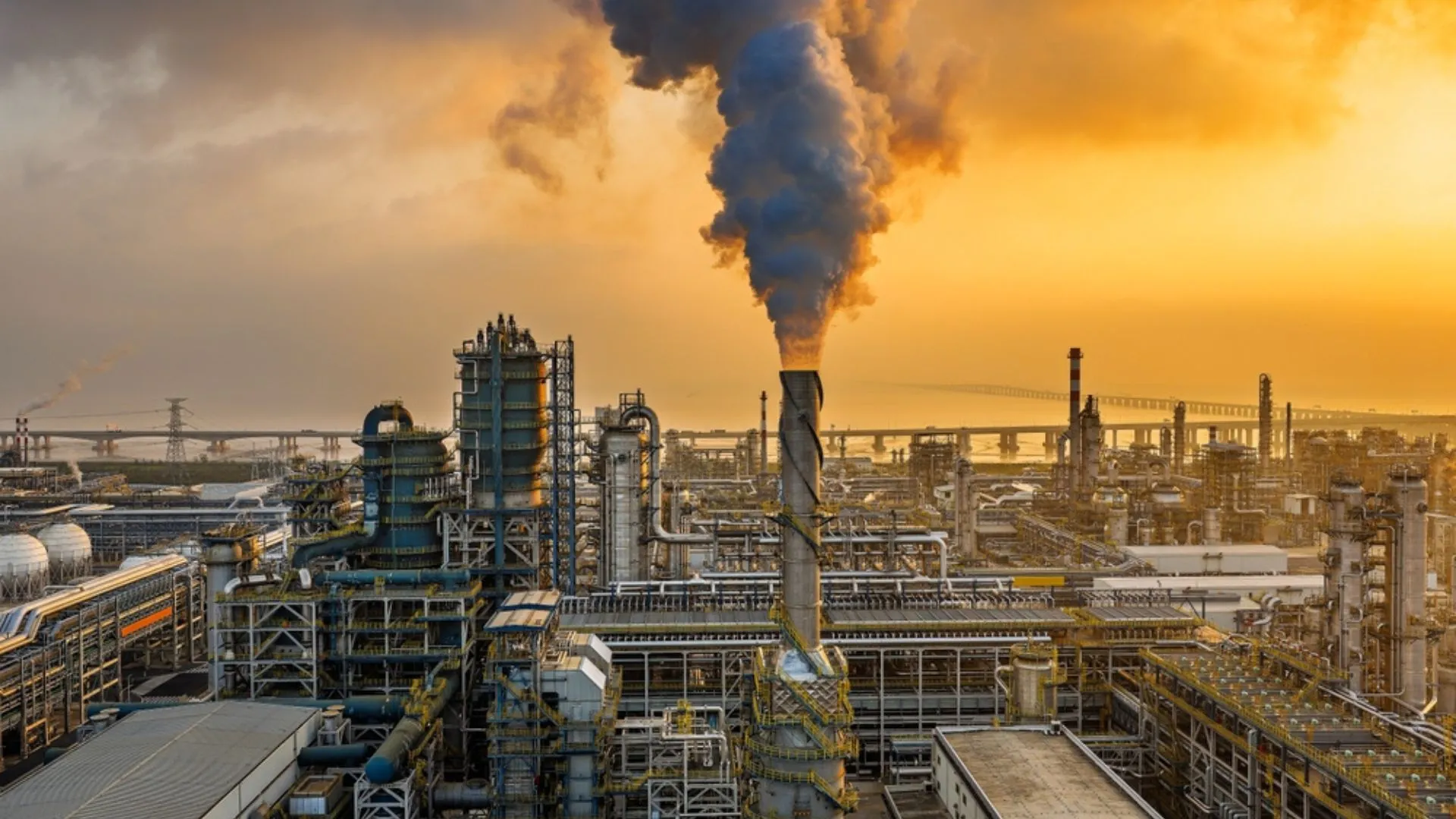
South Korean refiners project to export up to 400 million barrels of clean fuels in 2026, reaffirming their commitment to steady supply to the Asia-Pacific region despite a global environment of tight margins and low prices, reaffirming their commitment to steady supply to the Asia-Pacific region despite a global environment of tight margins and low prices.
International pressure and South Korean response
Despite pressure from high U.S. refinery operating capacity and low international prices, South Korea has managed to secure a significant volume of forward contracts with key customers in Asia, Oceania and North America. Leading shipments include diesel, gasoline and jet fuel.
Over the past few months, refining margins and cracking differentials in Asia have fallen due to increased global supply, particularly from the United States, which has operated at utilization rates above 95%. This has affected South Korea’s export revenues, which in 2025 reported a drop in sales values of refined productsdespite the country’s overall record exports.
Exports and demand for clean fuels
Companies such as S-Oil and Hanwha TotalEnergies, together with other large firms with operations in Ulsan, Seoul and Yeosu, have consolidated agreements that will allow them to maintain similar export levels compared to 2025, when 412 million barrels were shipped. Although the projected figure for 2026 is slightly lower, it remains above the annual average of the last six years.
Global events such as the World Cup in North America and the revival of key sectors in Asia, such as technology and semiconductors, bode well for increased demand for clean fuels. clean fuels, especially kerosene and diesel.especially kerosene and diesel. South Korea’s jet fuel exports to the United States grew by more than 13% in 2025, a trend that could continue over the next year.
Strategic positioning in Asia-Pacific
While South Korea consolidates its presence as the main supplier of clean oil products in Asia, China maintains its export quotas unchanged and Russia continues to be constrained by international sanctions. This reinforces South Korea’s position as a key player in regional energy supply.
Market players also expect South Korea’s export policy toremain stable throughout 2026, with occasional adaptations according to market conditions. This consistency is essential to ensure the supply of fuel supply in a context of global volatility. in a context of global volatility.
Source: S&P Global
Photo: Shutterstock