
Table of Contents
In the northern region of South Holland, existing gas-fired power plants and cogeneration units will continue to operate beyond the planned timeframe. The decision comes in response to the increasing saturation of the power grid, which has reached its maximum capacity and whose structural expansion will not be completed before 2035.
Gas-fired plants meet energy demand
According to TenneT, the national power system operator, the extended use of these plants is essential to avoid supply disruptions and to manage the growing demand for energy. In collaboration with regional operators Stedin and Liander, it has been identified that, if no action is taken, the grid will be overloaded from 2028 onwards, with no possibility of accommodating new business connections.
The energy transition and the electrification of industrial and domestic processes have boosted electricity consumption in the region. Homes with heat pumps, charging points for electric vehicles and the sustainable operations of energy-intensive companies have pushed the current infrastructure to its limits.
At present, companies requesting a new connection or capacity expansion are placed on a waiting list. This situation will continue until an effective redistribution of consumption is achieved or structural solutions are implemented.
During the last year, alternatives were explored to reduce pressure on the grid, including incentives to shift consumption away from peak hours. However, the results were not sufficient. The contracting of flexible capacity is progressing slowly, and the potential for technical maneuvering is failing to compensate for the lack of infrastructure.
Monique Hoogwijk, Liander’s regional manager, noted that many companies are still evaluating the costs and benefits of changing their consumption patterns. Despite the challenges, contracts continue to be developed that are more tailored to the needs of the sector.
TenneT’s 2026-2040 Investment Plan includes more than 80 projects in the region, with billions earmarked to strengthen the high-voltage grid. However, due to the interdependence of the works and construction timelines, the additional capacity will only be available between 2032 and 2035.
In the meantime, the need to keep gas-fired power plants operational is presented as a critical temporary measure to guarantee supply, avoid blackouts and free up capacity for new ventures.
The authorities are working together with grid operators and the private sector on a package of measures that includes the promotion of grid-compatible housing, smart charging of electric vehicles and the obligation for large consumers to offer flexible capacity.
For its part, the port of Rotterdam and adjacent areas are also experiencing accelerated growth in demand. Recent congestion studies reinforce the urgency of adopting technical and energy management solutions throughout the province.
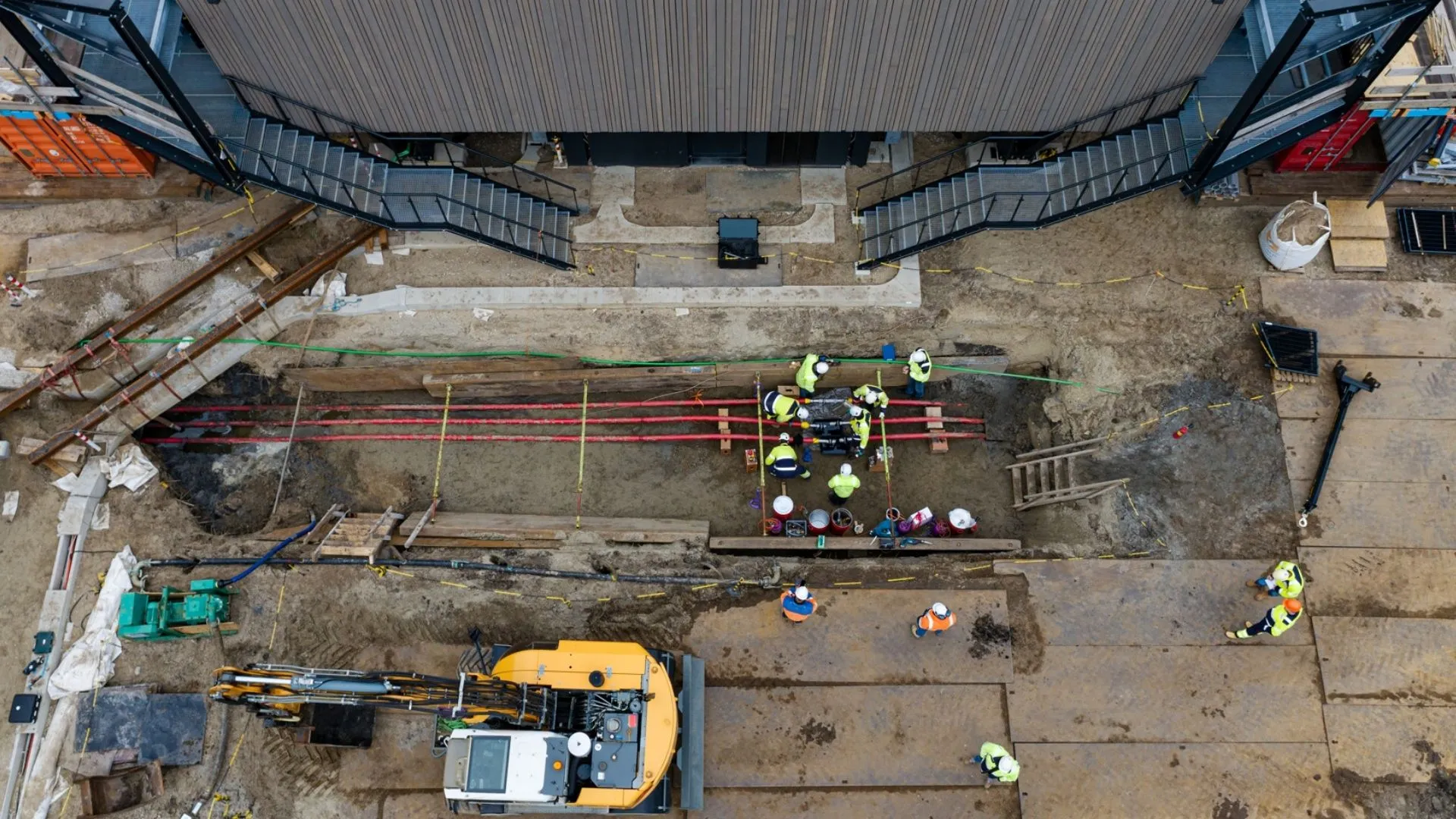
Source and photo: TenneT