
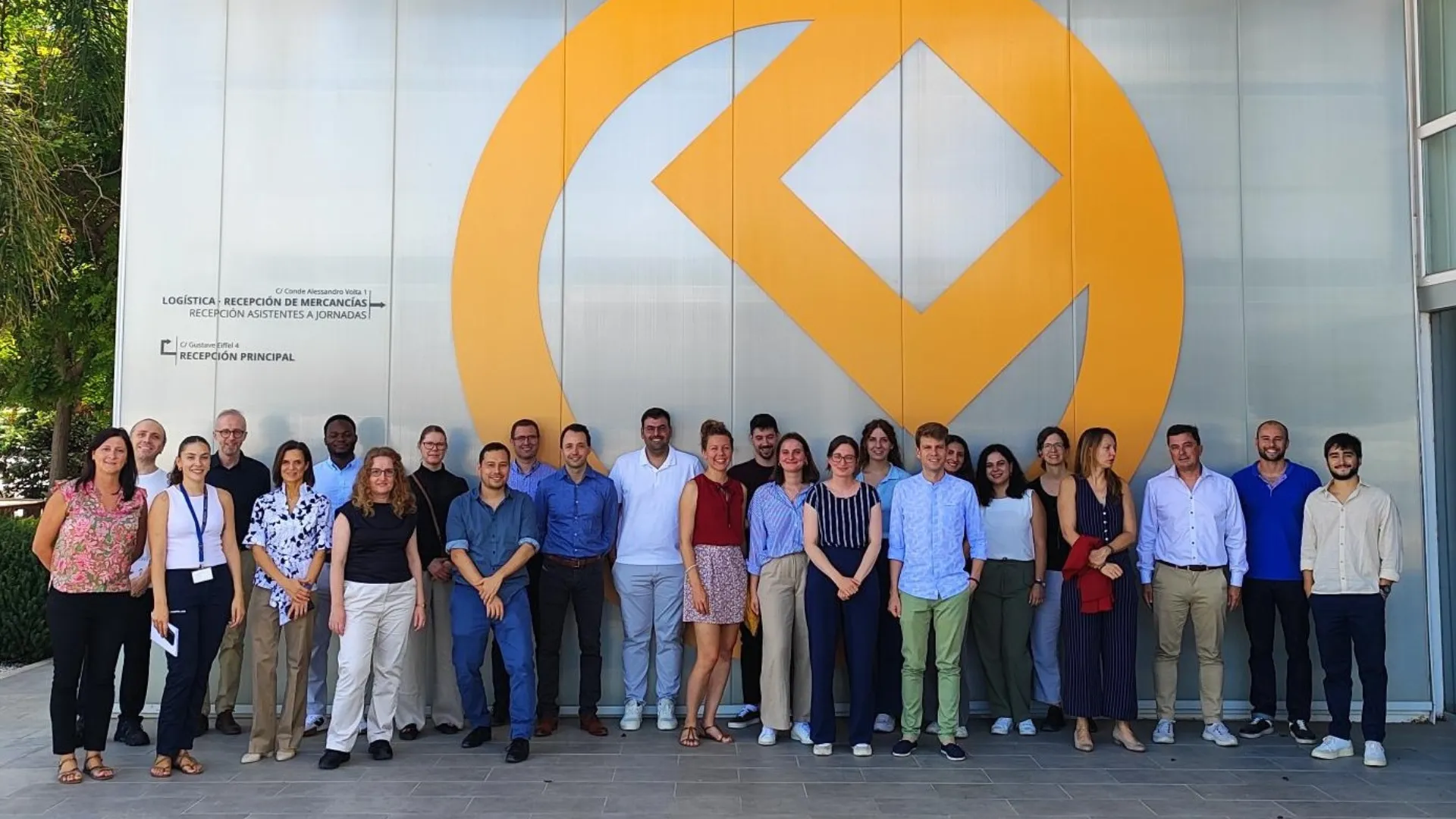
With the support of the Plastic Technology Center (AIMPLAS) and the financial backing of the European Union, the SOLRESS project is making steady progress towards a new generation of sustainable industrial solvents. The project seeks to develop 5 bio-based solvents from organic wastes such as post-consumer coffee grounds and lignocellulosic materials.
What is the purpose of the project?
The main objective of the SOLRESS project is to replace traditional solvents, based on fossil raw materials, with safer and more environmentally friendly versions. To this end, an integrated biorefinery will be used, capable of producing compounds such as ethyl acetate, ethyl lactate, butyl acetate, 2-MeTHF and GVL at industrial purity levels.
These solvents will be subjected to performance tests in highly demanding sectors such as paints and coatings. coatingscosmetics and industrial materials processing. Validation under real-world conditions will assess their viability as SSbD (safe-and-sustainable-by-design) alternatives.
Financing and institutional support
The project is funded with 7 million euros by the Circular Bio-based Europe Joint Undertaking (CBE JU), as part of the Horizon Europe program. The total budget amounts to 9.1 million euros and will be executed over 48 months, under the coordination of AIMPLAS.
The project involves 17 entities from all over Europe, including universities such as Ghent University and the Agricultural University of Athens, research centers such as CSIC or IVL in Sweden, and technology companies such as Bio Base Europe Pilot Plant, Kaffe Bueno, Dermopartners or Kansai Altan.
What is the expected environmental and industrial impact?
In addition to reducing dependence on fossil resources, SOLRESS seeks to improve Europe’s industrial resilience, reduce the environmental impact of chemical production and generate new economic opportunities. The use of second-generation waste, such as discarded coffee, not only avoids the use of food crops, but also promotes the efficient use of biomass.
Through its comprehensive approach, the project also aims to strengthen the competitiveness of European industry by providing solutions aligned with the principles of the circular economy and climate neutrality.
Source and photo: AIMPLAS