
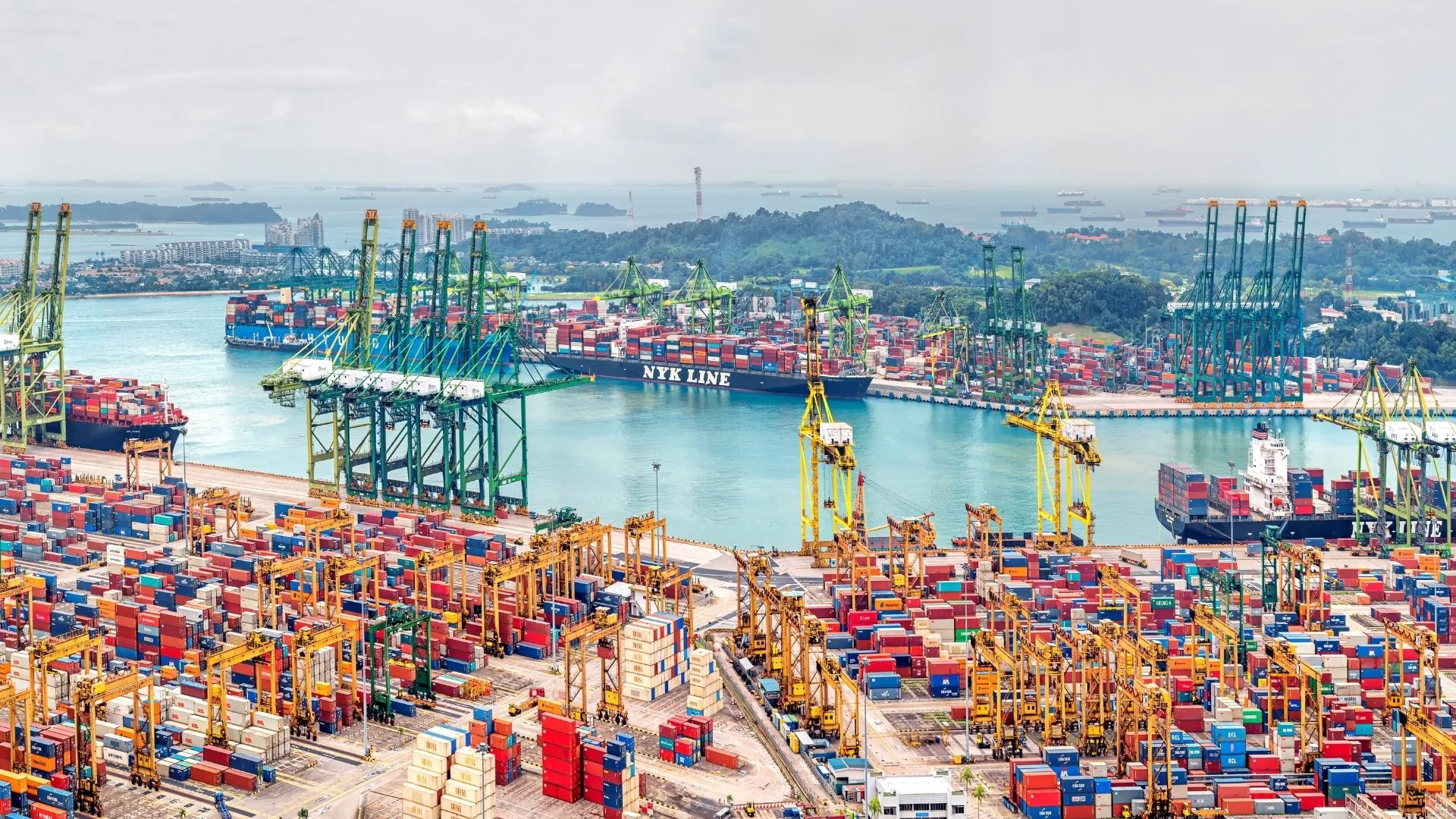
In 2025, the Port of Singapore reached a port record by surpassing all previous records, with 44.66 million TEUs in container traffic and 3.22 billion gross tons in vessel arrivals. These figures represent year-on-year growth of 8.6% and 3.5%, respectively. The Maritime and Port Authority of Singapore (MPA) attributes this achievement to the upturn in global trade and the increased use of alternative fuels.
In fact, the total supply of marine fuel marine fuel amounted to 56.77 million tons, with notable growth in the consumption of LNG, methanol and ammonia.with notable growth in the consumption of LNG, methanol and ammonia. This energy transition is complemented by the full digitalization of supply, which since August 2025 is fully operational with digitally verified electronic delivery notes, increasing efficiency and reducing operating times.
A strategic projection towards 2026
With an eye to the future, the MPA will open new licenses for the supply of LNG. LNG supply in January 2026 and will update technical standards to ensure safety and quality of service. In parallel, Singapore will publish its first technical benchmark for the ammonia supplyas part of its plan to become a multi-fuel bunkering hub.
New green maritime corridors green and digital maritime corridors and digital maritime corridors were also established with India and South Korea, in addition to strengthening existing agreements with China. These corridors seek to optimize supply chains through fuel testing, common emissions protocols and greater digital interoperability.
Port record and expansion of the logistics ecosystem
During 2025, more than 35 companies expanded or started operations in Singapore. operations in Singapore, strengtheningstrengthening its position as an International Maritime Hub. Total investment in the sector exceeded 5 billion Singapore dollars, nurturing a diverse network of technology, services and talent.
In this context, Singapore’s Ship Registry reached 137.46 million gross tons, making it the fourth largest in the world. The drive for a sustainable fleet is reflected in the incorporation of methanol-fueled vessels and the expectation of including ammonia-fueled units in the coming years.
Innovation and training for a resilient industry
Singapore’s long-term strategy also encompasses talent development. In collaboration with universities and industry partners, the MPA has boosted scholarship, executive training and micro-credential programs in data science, artificial intelligence and sustainability, aiming to transform the professional profile of the maritime sector.
Singapore also maintained its leading position in the global index of maritime centers maritime centersSingapore also renewed its presence in international organizations such as the IMO and IALA, consolidating its active role in defining global maritime standards.
Prospects in an uncertain environment
Despite an international scenario marked by geopolitical tensions, maritime trade is expected to continue to grow, especially in the movement of raw materials. Singapore, with a coordinated public-private sector strategy, is preparing to meet the logistics and energy challenges of the future with a robust, efficient and sustainable supply.
Source: MPA Singapore
Photo: Shutterstock