
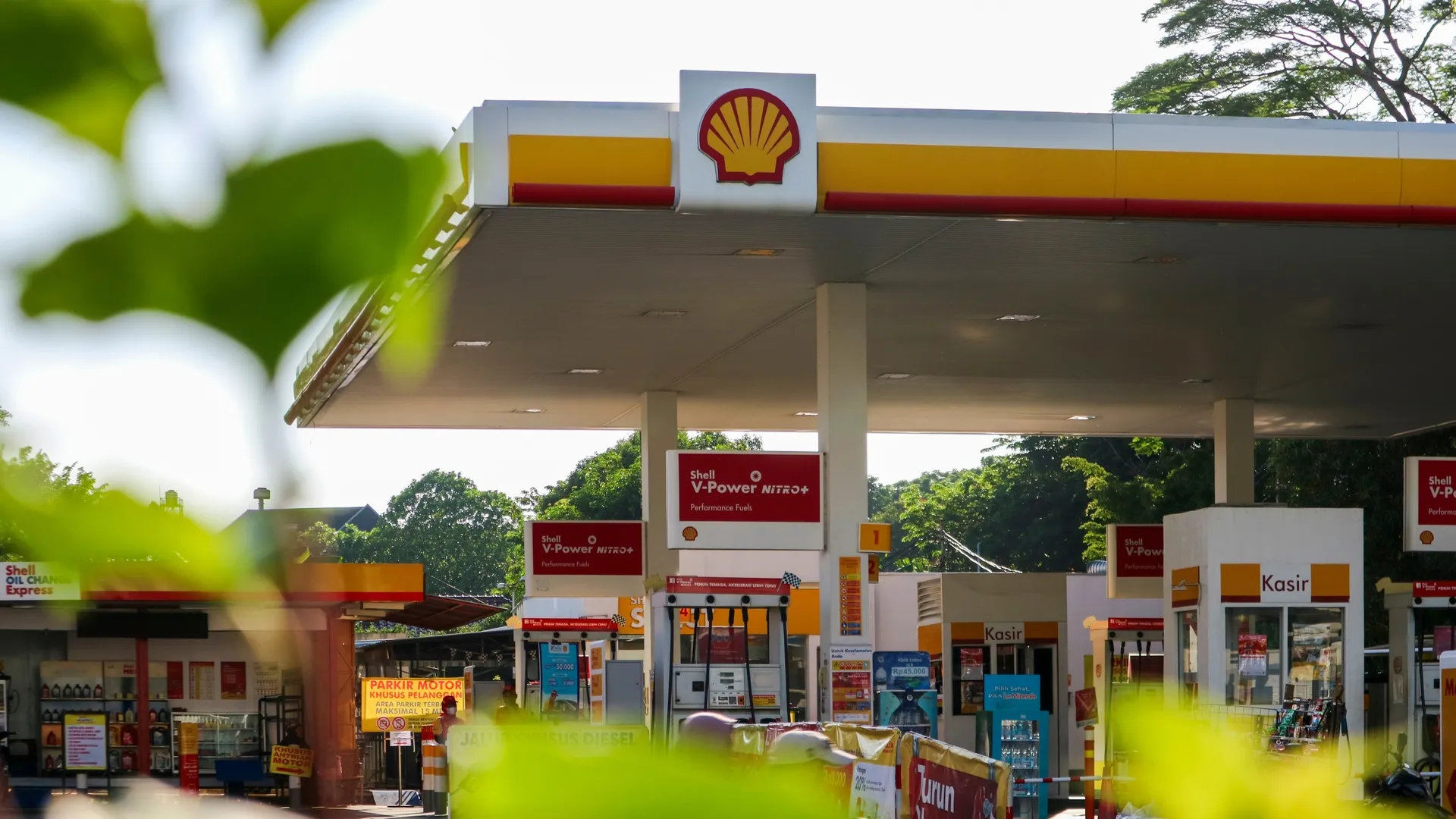
Shell accelerates its Dragon gas project in Venezuela after the U.S. government issued general licenses easing restrictions on energy exploration in the South American country.
With this decision, the multinational energy company has cleared the way to resume a strategic development that had faced years of paralysis due to changes in U.S. foreign policy. According to a company spokesperson confirmed to Reuters, the licenses allow concrete progress to be made on the Dragón fieldfield, located in Venezuelan waters and with estimated reserves of 4.5 trillion cubic feet of gas.
Strategic connection with Trinidad and Tobago
Shell’s plan contemplates exporting the gas produced from Venezuela to the neighboring Atlantic LNG plant in Trinidad and Tobago, a key facility in the Caribbean with the capacity to liquefy up to 12 million metric tons per year. However, in 2025 that plant only processed 9 million due to supply limitations, which makes it urgent to reactivate external sources such as the Dragon field.
Shell owns a 45% stake in Atlantic LNG, the same percentage held by BP, while the Trinidadian state-owned NGC completes the shareholding with 10%.
Production on the horizon
Although Shell has not publicly set an exact date for the final investment decision, CEO Wael Sawan recently stated that they expect to start production within three years. The breakthrough would not only alleviate gas shortages in Trinidad and Tobago, but would also represent a new stage of regional energy cooperation, with Venezuela supplying key resources through binational infrastructure.
Sanctions that condition energy
The evolution of the Dragon project has been directly tied to the U.S. position vis-à-vis Venezuela. The recent issuance of general licenses by the Office of Foreign Assets Control (OFAC) enables companies such as Shell to operate without the need for specific permits, as long as they comply with certain parameters established by the Treasury.
This change in approach makes it easier for natural gas projects to natural gas projects that were previously stalled can be resumed, which could also benefit other international firms with interests in Venezuela.
A new energy scenario in the Caribbean
The combination of Venezuelan reserves, Trinidad and Tobago’s industrial capacity and the backing of global companies such as Shell and BP could redefine the energy map of the Caribbean. The consolidation of the Dragon project would not only make it possible to cover current deficits, but also strengthen the region’s position in the global liquefied natural gas (LNG) market.
Source: Reuters
Photo: Shutterstock