
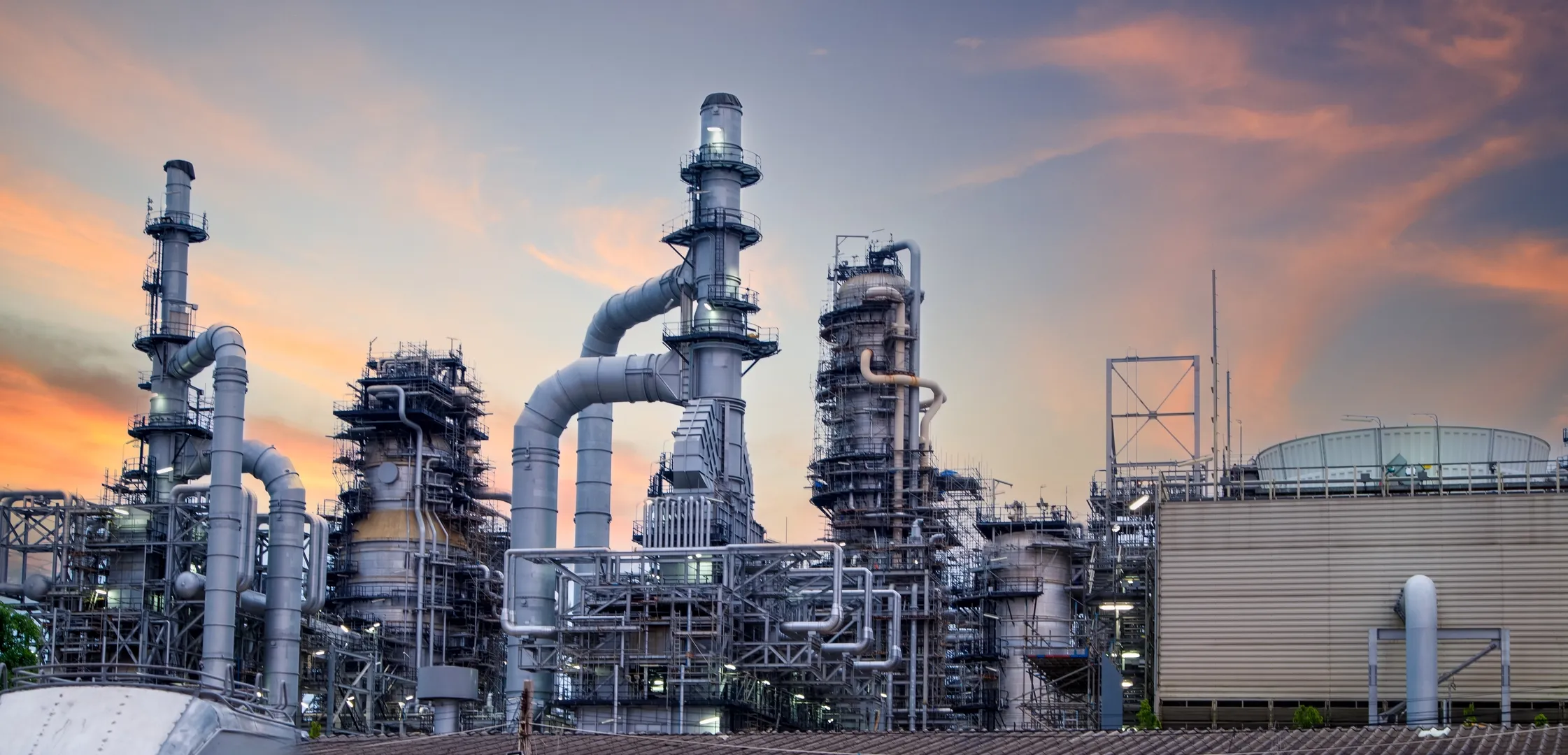
Q4 profit falls 11% on weak prices
Shell reported a fourth-quarter net profit of $3.3 billion, 11% below the $3.5 billion forecast by analysts. The figure marks the lowest level since early 2021, hurt by weaker oil, gas and crude oil trading prices. Shareholders had expected greater strength in the face of global energy volatility.
Operating cash flow reached US$9.44 billion, exceeding expectations of US$7.87 billion but lower than the US$13.16 billion of the previous year. Factors such as Brent at $63 per barrel and TTF gas at €30/MWh weighed on results. The chemicals unit recorded deeper losses than anticipated due to market weakness.
Shell shares fell 1.9% at the open, outperforming the 1.6% decline in the European energy index. This reaction reflects concerns about the sustainability of returns in an environment of crude oil and LNG surpluses expected in 2026.
Share repurchase continues at $3.500M
Despite the low earnings, Shell maintained its quarterly buyback program at $3.5 billion, plus $2.1 billion in dividends. This brings shareholder payouts to 52% of 12-month operating cash flow, above the 40-50% target. CFO Sinead Gorman defended this range as “sacrosanct.”
In four years, Shell has repurchased a quarter of its shares for about $60 billion, including $14 billion in 2025. The quarterly dividend rose 4% to $0.372 per share, meeting forecasts. This contrasts with cuts such as Equinor’s 70%, while Exxon plans to maintain its $20 billion a year.
These payments reinforce investor confidence in Shell’s financial discipline, despite low prices. The company has cut costs by 5.1 billion toward a target of 5-7 billion by 2028 versus 2022.
Future challenges in reserves and M&A
RBC analysts noted that Shell’s reserve life dropped to 7.8 years from 8.9 years expected in 2024, lower than competitors. This raises questions about its replacement strategy via mergers and acquisitions in a low-price market. The energy transition adds pressure to its portfolio.
The integrated gas and marketing business did not meet expectations, aggravated by weak chemicals that Shell had warned about. Oil prices fell from $74 to $63/barrel and gas from 43.3 to 30 euros/MWh year-on-year. Rivals such as Exxon prioritized stable buybacks.
Shell is positioned as a leader in LNG, but faces speculation about pay cuts if surpluses persist. Its focus on costs and shareholder returns seeks to maintain attractiveness to investors in 2026.
Source: https://www.reuters.com
Photo: Shutterstock