
Mining giant Rio Tinto has presented its annual financial statements with a clear direction: the copper market is now the backbone of its economic resilience. Despite a complex global environment, the organization managed to offset the volatility in iron ore prices through exceptional performance in its copper division.
The address and target is the copper market
Following the publication of its annual report, it is noted that adjusted EBITDA increased by 9% to US$25.4 billion. This positive balance was possible due to the copper production production rose by 11% and record volumes of iron ore were recorded. However, reported net income was adjusted downward by 14% due to higher depreciation charges and tax liabilities.
Under Simon Trott’s management, the company has refocused 85% of its exploration budget on copper. He says the current focus is on transforming the project portfolio into assets that generate real value.
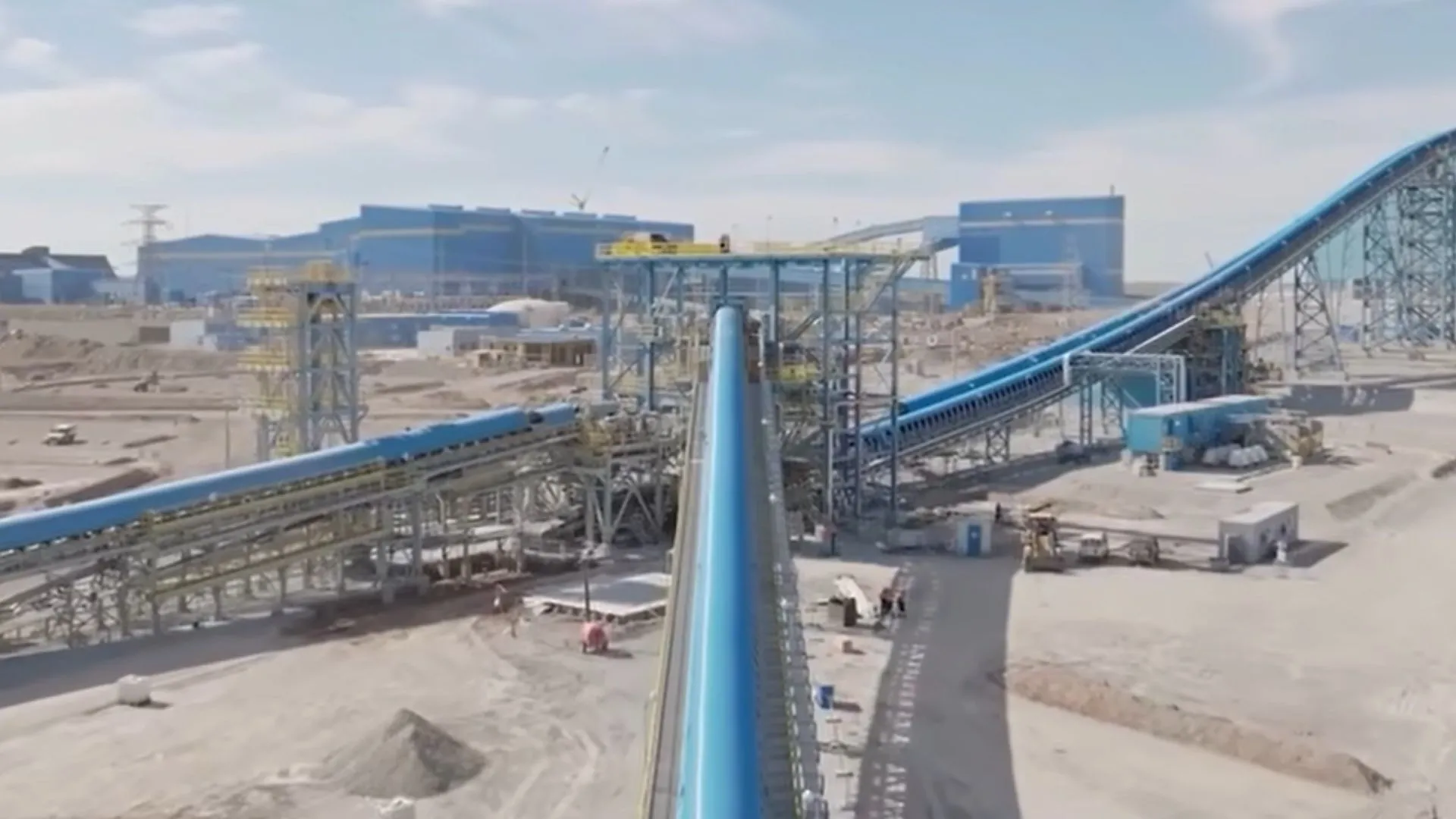
The expansion of the Oyu Tolgoi mine in Mongolia has been the determining factor in the doubling of earnings in this segment, reaching US$7.4 billion. The company is seeking to consolidate its position in a market that demands critical metals for the global electricity infrastructure.
The expansion strategy is not limited only to conductive metal. Rio Tinto has increased its stake in Nemaska Lithium in Canada and has formalized alliances with Asian partners for aluminum production in Brazil.
These moves demonstrate an intention to diversify revenue sources and reduce the historical dependence on the Pilbara region. Similarly, the start of exports from the Simandou project in Guinea marks the beginning of a relevant stage for the supply of high grade iron ore.
Despite the initial drop on the London Stock Exchange, analysts highlight the cost discipline maintained by management. The corporation projects that investments in Western Australia and new developments in Africa will ensure stable production volumes. stable production volumes for the next decade. With a long-term vision, the miner is preparing to capitalize on the sustained demand for essential materials, maintaining a solid financial structure and prepared for the challenges of the extractive sector.
Source and photo: Rio Tinto