
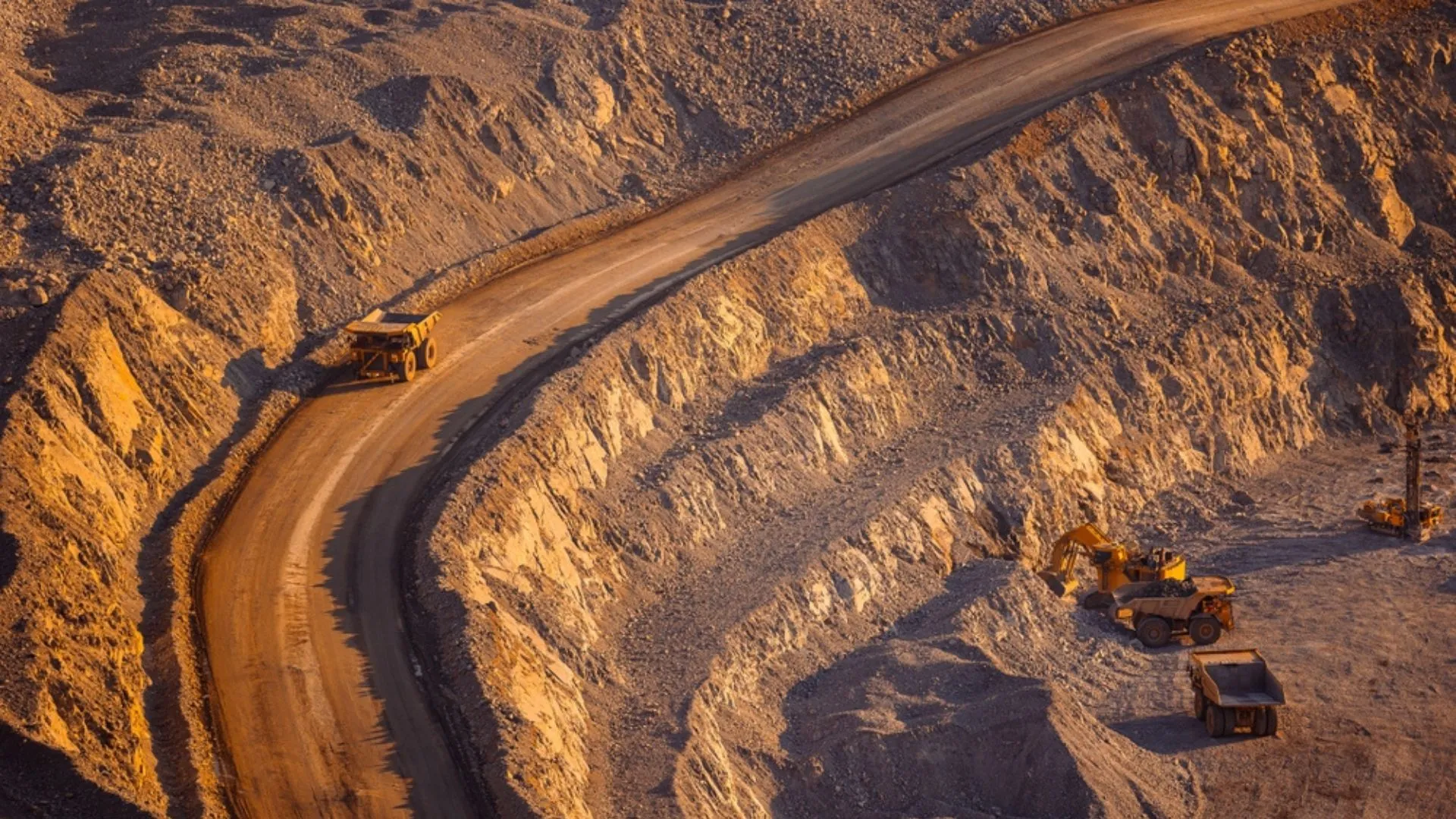
Mining giant Rio Tinto has successfully started copper production at the Johnson Camp mine in Arizona using its Nuton technology. This innovation represents a structural change in the way of recovering copper from primary from primary sulfide ores, traditionally difficult to process.
The key is the use of microorganisms developed in situ, capable of accelerating the oxidation of the ore and releasing the copper into a solution that is then converted into a 99.99% pure cathode. The process, known as bioleaching, makes it possible to omit stages such as smelting and refining, which significantly reduces the carbon footprint and water consumption.
Copper production with lower impact and higher recovery
According to data provided by the company itself, it expects to recover up to 85% of the copper contained in primary sulfides, minerals that are abundant globally but have been little exploited due to technical limitations. Nuton seeks to reverse this situation through a modular solution, adaptable to different geographies and types of deposits.
The project at Johnson Camp project is part of a four-year demonstration program, with an estimated production of 30,000 tons of refined copper. All of the electricity used at the site comes from renewable sources, backed by Green-e Energy certificates, positioning this operation as the lowest carbon footprint per kilogram of copper produced in the United States.
Strategy for securing the supply chain in the U.S.
Rio Tinto is working with North American customers and institutions to strengthen a cleaner, safer and more domestic copper supply chain. This is of strategic importance in a context where copper is a key input for the energy transition and clean technology manufacturing.
The flexibility of the Nuton system system allows recover copper from materials that were previously discarded as waste, extending mine life and optimizing resources in existing and future operations. Gunnison Copper, operator of the mine, noted that this achievement was possible thanks to the synergy between its team and Nuton’s.
Technical validation and projections
The next stage of the program involves validating the technology’s performance over time, with ongoing monitoring and independent verification reports. In parallel, Rio Tinto is evaluating its implementation at other sites in both North and South America.
This breakthrough reinforces Rio Tinto’s leadership in mining innovation and its commitment to technologies with reduced environmental impact, able to respond to the growing global demand for critical materials such as copper.
Source: Rio Tinto
Photo: Shutterstock