
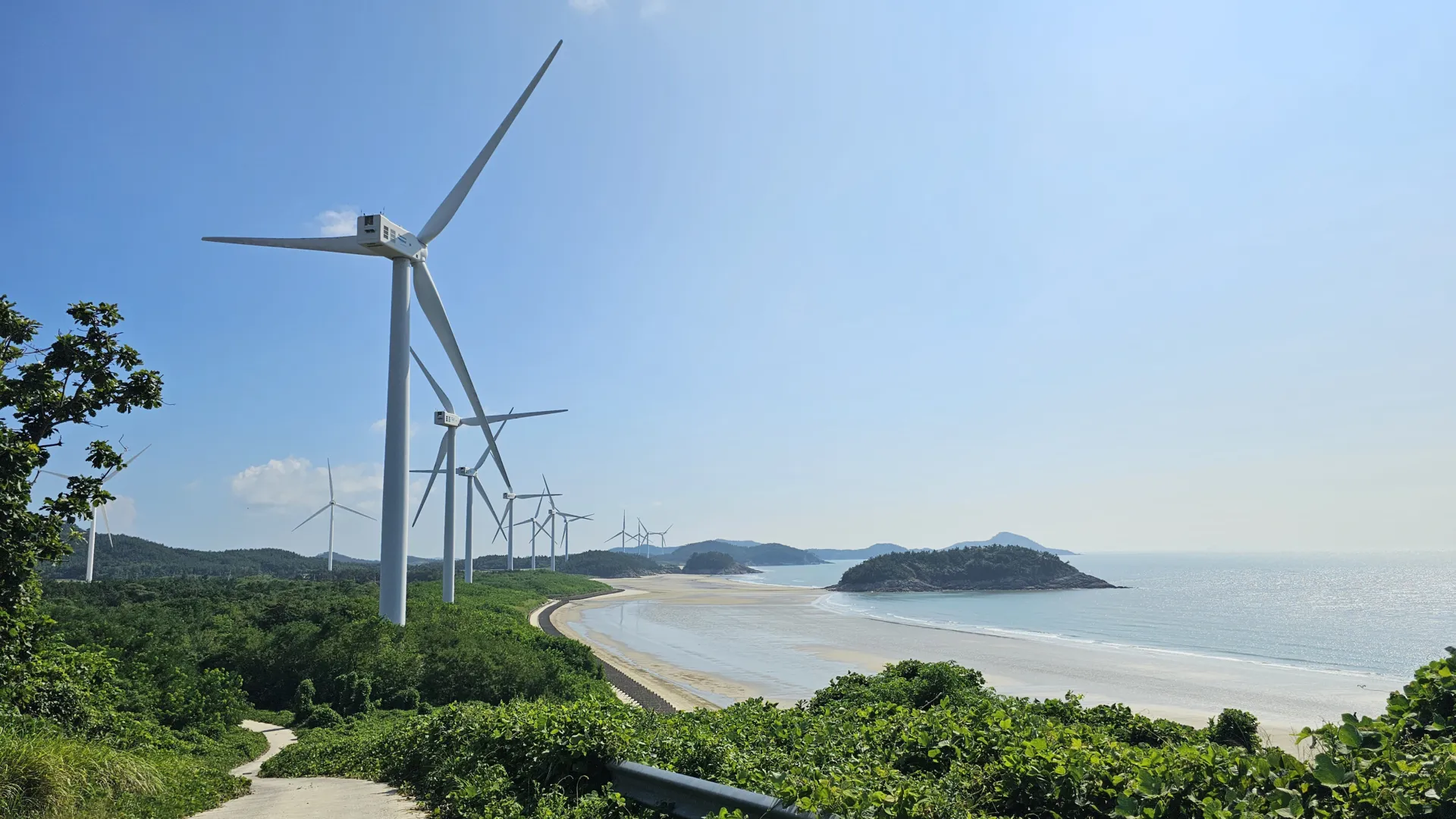
POSCO Group, originally a steelmaker, is transforming into a global energy conglomerate with a comprehensive strategy to achieve carbon neutrality by 2050, centered on three pillars:
- Hydrogen power generation.
- The expansion of renewable sources such as wind and solar energy.
- The development of advanced materials for energy infrastructure.
Hydrogen co-firing: strategy and objectives
Through POSCO International, the group operates a 3.4 GW combined cycle power plant in Incheon, South Korea, where it has begun a hydrogen co-firing project, replacing 20% of liquefied natural gas (LNG) with clean hydrogen. This process allows CO₂ emissions to be reduced by up to 35 %, using existing facilities.
The goal is to replace key units with high-efficiency plants capable of running 100 % on hydrogen by 2050. To secure supply, the company is involved in clean hydrogen production projects in North America, Australia and the Middle East, including an agreement with ADNOC in the United Arab Emirates.
Solar and wind energy: expansion of renewable energy sources
In Sinan, the POSCO Group operates a 14.5 MW solar complex built on former salt deposits, with an annual generation capacity of 18,000 MWh, equivalent to the consumption of 5,300 households.
In parallel, Shinan Green Energy, a subsidiary of POSCO International, operates a 62.7 MW onshore wind farm and is developing a 300 MW offshore wind project. These initiatives include a commitment to local communities, with part of the proceeds going to regional development.
The group’s flagship project is “Firefly”, a 750 MW facility off the coast of Ulsan, in partnership with the Norwegian company Equinor. In addition, POSCO E&C is developing its own float technologies with thick, high-performance steel, thereby seeking to reduce costs and ensure technological leadership both locally and globally.
New generation materials
In parallel to its energy projects, the group has strengthened its portfolio of specialized energy steels, essential for LNG storage, hydrogen transport and ESS system components. Materials such as corrosion-resistant PosMAC and high-manganese steel, suitable for temperatures down to -196 °C, stand out.
It also develops steel for hydrogen and liquefied CO₂ pipelines, reinforcing its role as a key supplier in the international energy value chain.
Circular economy and climate commitments
POSCO’s commitment to sustainability is reflected in actions such as the installation of solar panels at POSCO Future M plants. Through agreements such as the one signed with SK Innovation E&S, it generates clean energy, obtains CER certificates and makes progress in meeting RE100 targets.
With this combination of technology, infrastructure and strategic alliances, POSCO Group positions itself as a reference in the transition to a low-carbon economy, with a comprehensive approach from generation to materials.
Source: POSCO Group