
Table of Contents
The Port of Rotterdam is designing the future of one of the world’s most important ports. The so-called Port Vision 2050, presented by the Port Authority and the City Council, projects a total transformation of the logistics enclave with the aim of consolidating it as the most competitive, sustainable and resilient port in Europe by mid-century.
Port of Rotterdam’s plan to lead the European industry
The ambition is clear: to turn the Port of Rotterdam into a climate-neutral, highly digitized logistics hub with the ability to adapt to uncertain geopolitical scenarios. The roadmap envisages an integration between green infrastructure, circular economy and smart technologies. It also seeks to strengthen its role as a guarantor of regional energy supply by importing and generating renewable energy.
One of the keys will be the digitization of the entire logistics chain. The proposed model includes sensors, routing algorithms and autonomous vehicles, which will enable a more efficient and safer operation. Simultaneously, a massive electrification of transportation systems and a greater presence of offshore wind energy are planned, in order to reduce emissions without compromising competitiveness.
Industrial reconversion is another pillar. The port will move from dependence on fossil fuels to become a center for the production of circular raw materials and clean energy. It is envisaged that many of the current industrial processes will be transformed into sustainable production chains that will ensure the strategic autonomy of the Netherlands and Europe.
The vision also addresses the need to adapt to global risks. Diversifying imports, shielding digital systems and having a flexible multimodal transportation network are part of the strategy to secure operations in the face of logistical disruptions or cyber threats. All of this is aligned with the continental energy security agenda.
Far from focusing solely on economic efficiency, the project seeks to integrate the port into a healthy living environment. Environmental improvements, new housing and active cooperation with the region’s inhabitants are planned. The growth of the port will not be at the expense of the environment, but alongside it.
The Port Vision 2050 is the result of a participatory process involving more than 100 companies, governments, research centers and citizens. This cooperation is essential to lay the necessary investment foundations, modernize infrastructures and consolidate a qualified labor market that will make the transformation possible.
The Rotterdam City Council now has the final decision on the adoption of the plan. If approved, the port could become a global benchmark for sustainability, efficiency and adaptability in an increasingly challenging international context.
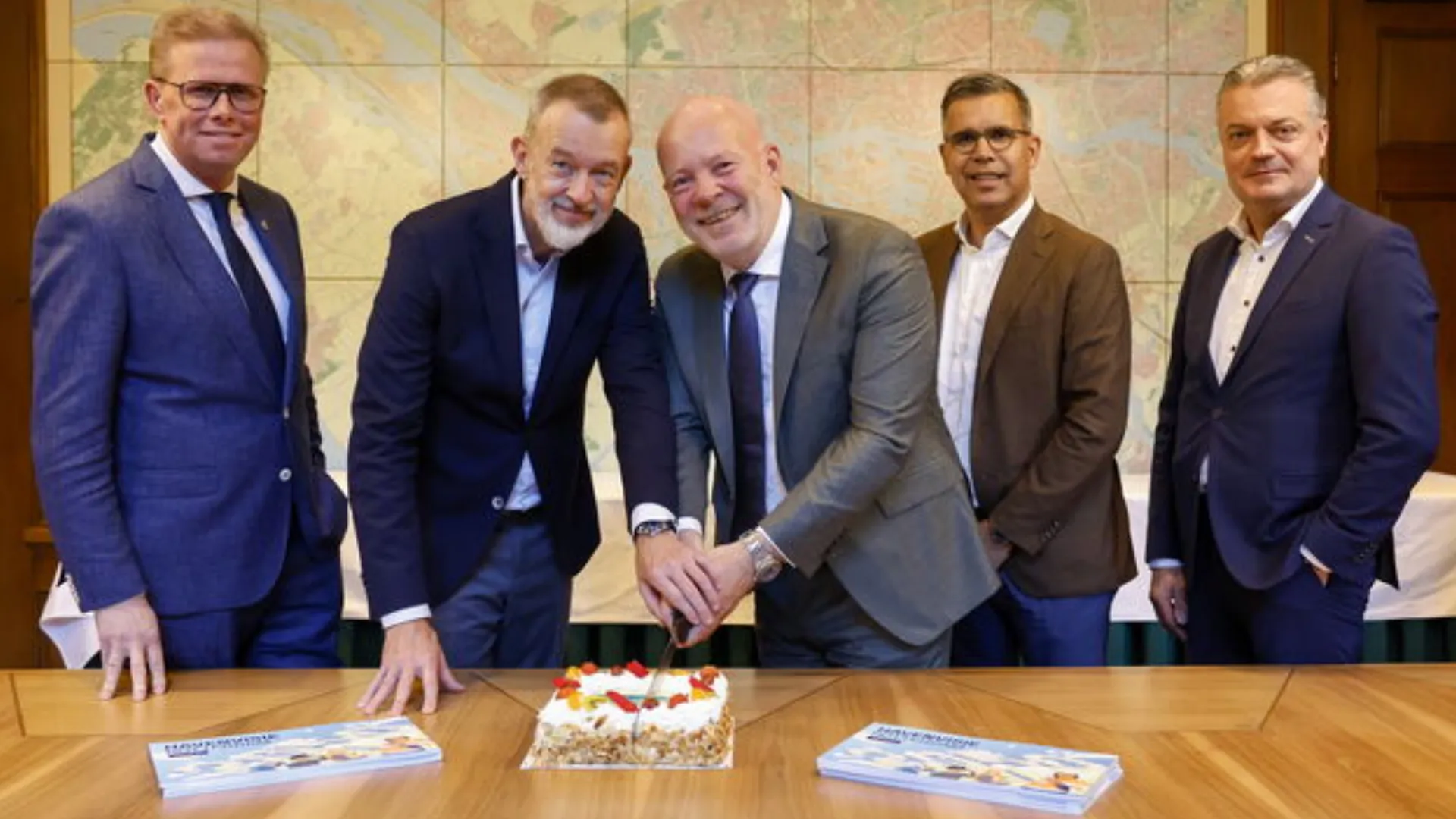
Source and photo: Port of Rotterdam