
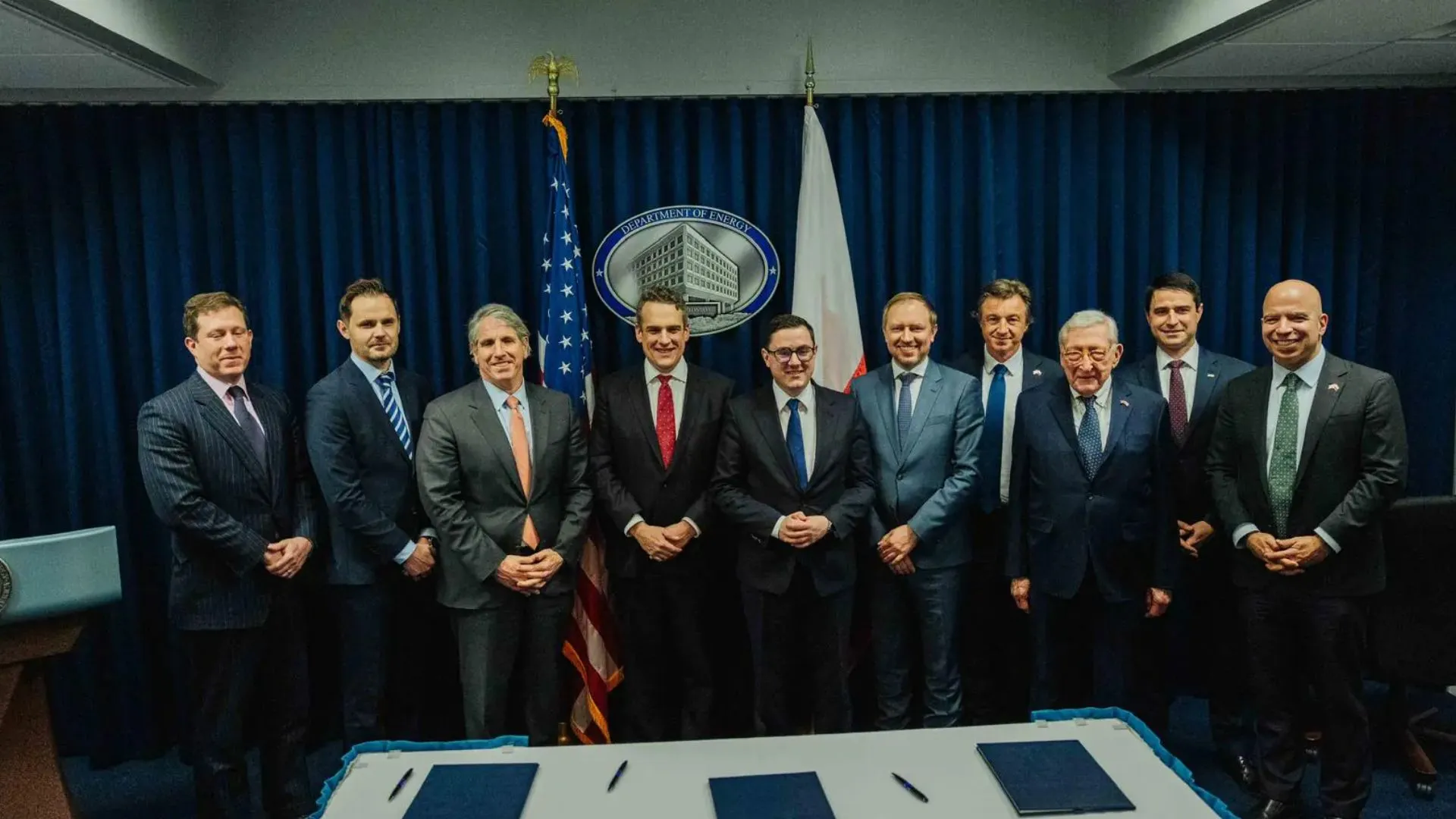
The recent signing of the Poland Generic Design Agreement (PGDA) between GE Vernova Hitachi Nuclear Energy and Orlen Synthos Green Energy represents a significant technical advance for the progressive maintenance of the BWRX-300 reactor.
Standardization of the BWRX-300 Reactor
This agreement serves as the operational foundation for Poland to lead the deployment of small modular reactors in the region. The investment will focus on a detailed design that complies with local regulations, allowing the BWRX-300 reactor model to be the reference for future national projects.
In my professional opinion, the real value of this alliance lies in its ability to create a standardized fleet. By adopting a single reference design, technical uncertainties are eliminated, and capital expenditures per unit are reduced.
Likewise, this approach facilitates the creation of a robust supply chain where Polish companies can integrate more easily. The goal is clear: to improve the electricity system towards a zero-emission model without sacrificing cost competitiveness for the end consumer and heavy industry.
It is evident that the demand for electricity will not stop. In this scenario, compact power units offer a versatile solution for high-consumption sectors that require a constant base load. While other countries are still debating their transition, Poland is accelerating its pace by leveraging the technical expertise from similar projects in Canada and the United States. The construction of these facilities not only guarantees clean energy but also acts as a growth engine for national infrastructure. The path to energy independence requires strategic decisions, and this investment is, without a doubt, one of them.
Source and photo: OSGE