
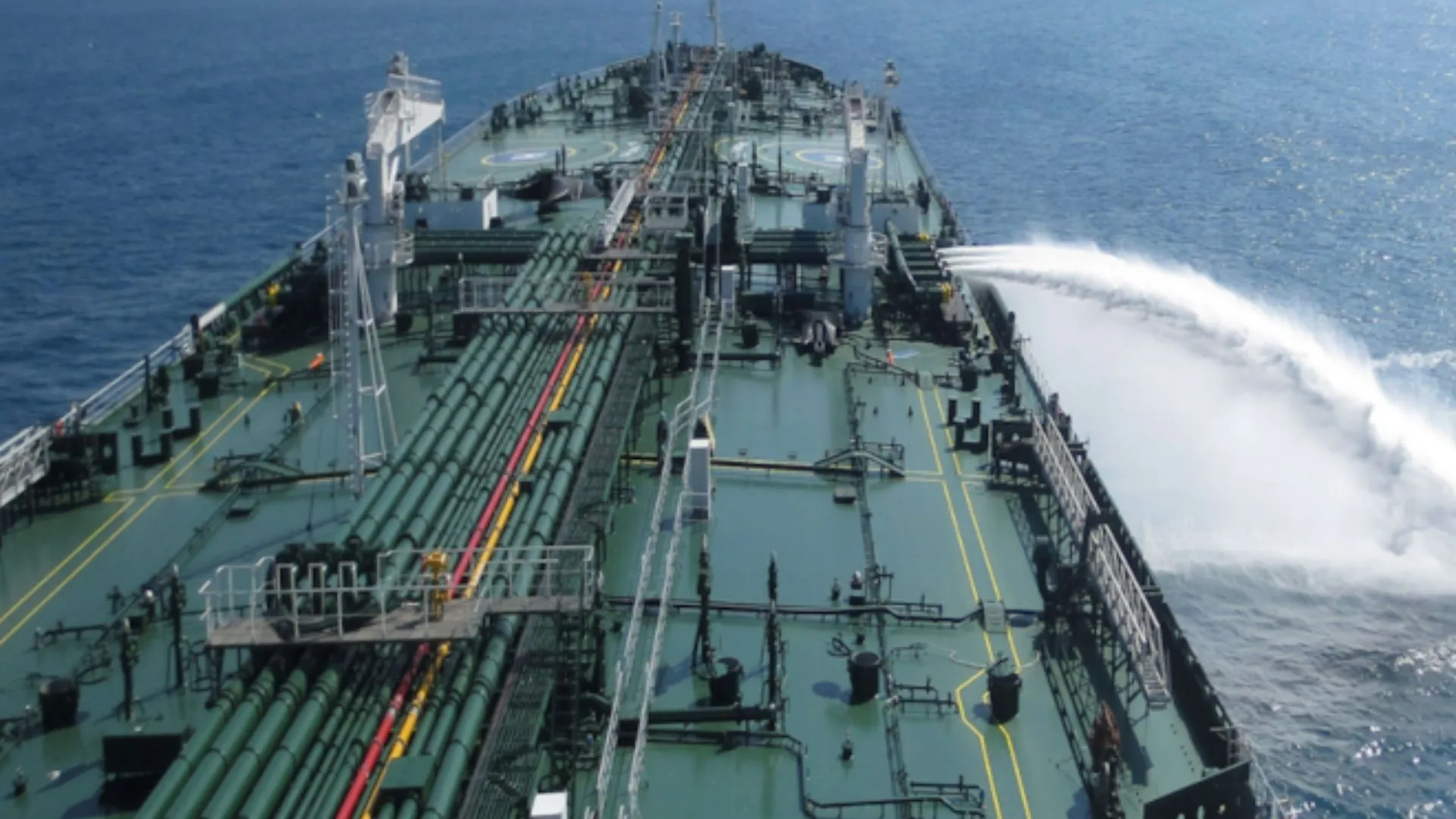
New SOLAS and HSC Code requirements prohibit the use of PFOS-containing foams on board vessels in an effort to reduce exposure to hazardous chemicals.
Technical protocols and replacement of PFOS foams
As of January 1, 2026, an amendment to Chapter II-2 of the SOLAS Convention and to the 1994 and 2000 HSC Codes will come into force. This regulation establishes the prohibition of the use and storage of fire extinguishing agents containing perfluorooctane sulfonic acid (PFOS) on vessels subject to these international regulations.
The requirements affect both ships coming into operation after January 1, 2026 and those in service. New vessels will be required to provide evidence of freedom from PFOS foam at the time of initial certification. Existing vessels will be required to demonstrate compliance during their first official inspection after that date, whether periodic, annual or renewal.
The regulation considers an extinguishing agent to contain PFOS if its concentration exceeds 10 mg/kg, equivalent to 0.001 % by weight. To confirm its elimination, ship owners must provide documentation certifying the absence of this compound. This can be achieved through a formal statement issued by the foam manufacturer or through laboratory analysis according to international standards. Entities such as DNV will be responsible for verifying such documentation during the relevant inspections.
The replacement of PFOS-containing foams requires a rigorous technical approach. Before integrating a new mixture, it is mandatory to completely empty and clean the tanks. The foam chosen must have compatible characteristics in terms of viscosity, mixing ratio and type of technical approval. It must have current approval under IMO standards and TA/MED certification confirming its PFOS-free composition.
The European Union has policies restricting the use of PFOS on ships from December 31, 2020. These measures require that the presence of the compound be identified and recorded in the Hazardous Materials Inventory of all ships operating in EU ports. This regulation serves as a precedent for the global regulation now being promoted by the IMO.
Vessel managers and operators should adopt the following measures preventive measures to replace their existing foams, collect the relevant technical documentation and arrange for the safe disposal of the residues at authorized land-based facilities. Compliance will be strictly evaluated at each inspection, and failure to comply could compromise the vessel’s safety certification.
It is also estimated that in the coming years the IMO will analyze the possible extension of these restrictions to other PFAS compounds, such as perfluorooctanoic acid (PFOA), whose regulation could be established around 2032. This scenario anticipates a deeper transformation in the naval sector, with the progressive incorporation of less polluting technologies and materials to ensure the safety of operations and environmental protection.
Source and photo: DNV