
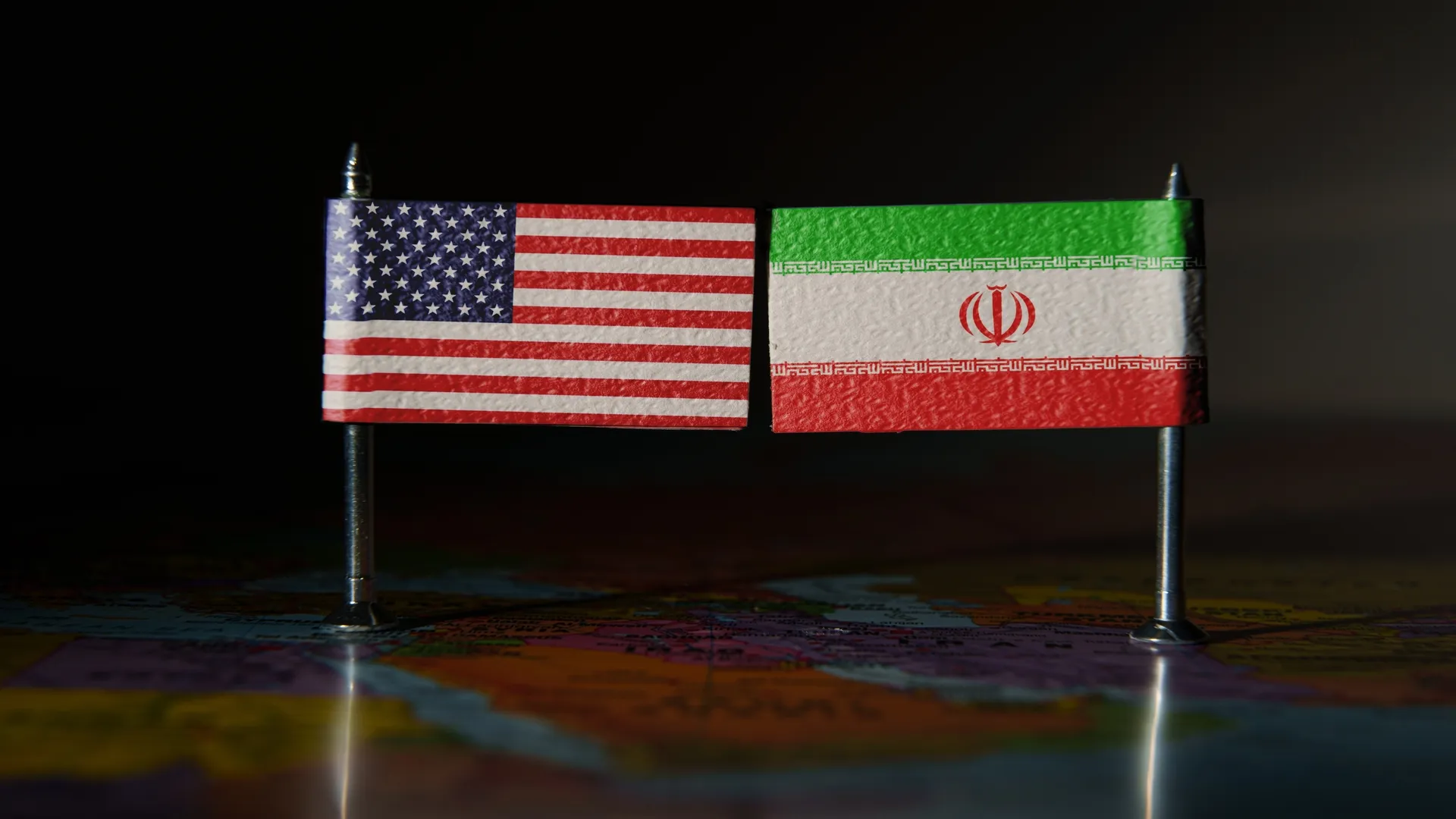
The shadow of armed conflict looms over the Middle East, and markets respond with nervousness; every barrel of crude oil has become a thermometer of the most dangerous geopolitical tension of 2026. The oil price touches $70 per barrel for the first time in 6 months, but this time it’s not about economics.
Fear trades higher than oil prices
Brent closed at $70.64 on Friday, while WTI posted its biggest monthly rise since July 2023. The numbers are impressive, but what really matters is in the corridors of power: multiple sources confirmed on Thursday that the White House is evaluating “targeted strikes” against Iranian facilities. There were no official denials and that is why investors are not buying oil on demand. Because if something goes wrong in the Persian Gulf, 20% of the global crude oil supply could be paralyzed in a matter of hours.
The game of shadows in the Middle East
Iran responded with its own strategic ambiguity: “We are open to dialogue, but our defense capabilities are non-negotiable.” What exactly does this mean? Tehran does not clarify, and that is precisely its strategy.
Yet here’s the inconvenient truth: both countries say they want to talk, but their red lines are mutually exclusive. The U.S. demands that Iran dismantle its nuclear program and Iran says that is precisely what it will never negotiate.
The paradox of the strong dollar
Ironically, not everything pushes prices higher. For example, the dollar strengthened after the announcement that Kevin Warsh will chair the Federal Reserve, and that makes oil more expensive. makes oil more expensive for buyers trading in other currencies as U.S. production recovers. On the other hand, Kazakhstan is on the brink of reactivate Tengizone of its most important fields. There is more supply coming to market just as global demand shows signs of weakness.
PVM Oil’s Tamas Varga anticipates “some profit taking” this weekend. In other words: some are selling now, before it’s too late…. or before it’s too early.
What no one dares to say
A Reuters poll of 32 analysts projects prices around $60 per barrel this year, under the assumption that “oversupply will offset geopolitical tensions.” However, that assumption assumes that there will be no conflict.
If Trump authorizes such targeted strikes, if Iran responds by closing the Strait of Hormuz, if Saudi Arabia is drawn into the conflict, all those projections become dead letters. Analysts know it. Investors know it. That’s why oil is trading at $70 when economic fundamentals would suggest $60.
The true price of uncertainty
The oil market is not reflecting what is happening. It is assessing what could happen. And no one has any idea how this story ends. For now, the price of oil continues to rise. Not because the world needs more oil, but because the world fears what comes next. That is the difference between market and reality. And right now, the reality is that we are far from a global energy crisis.
Source: Reuters