
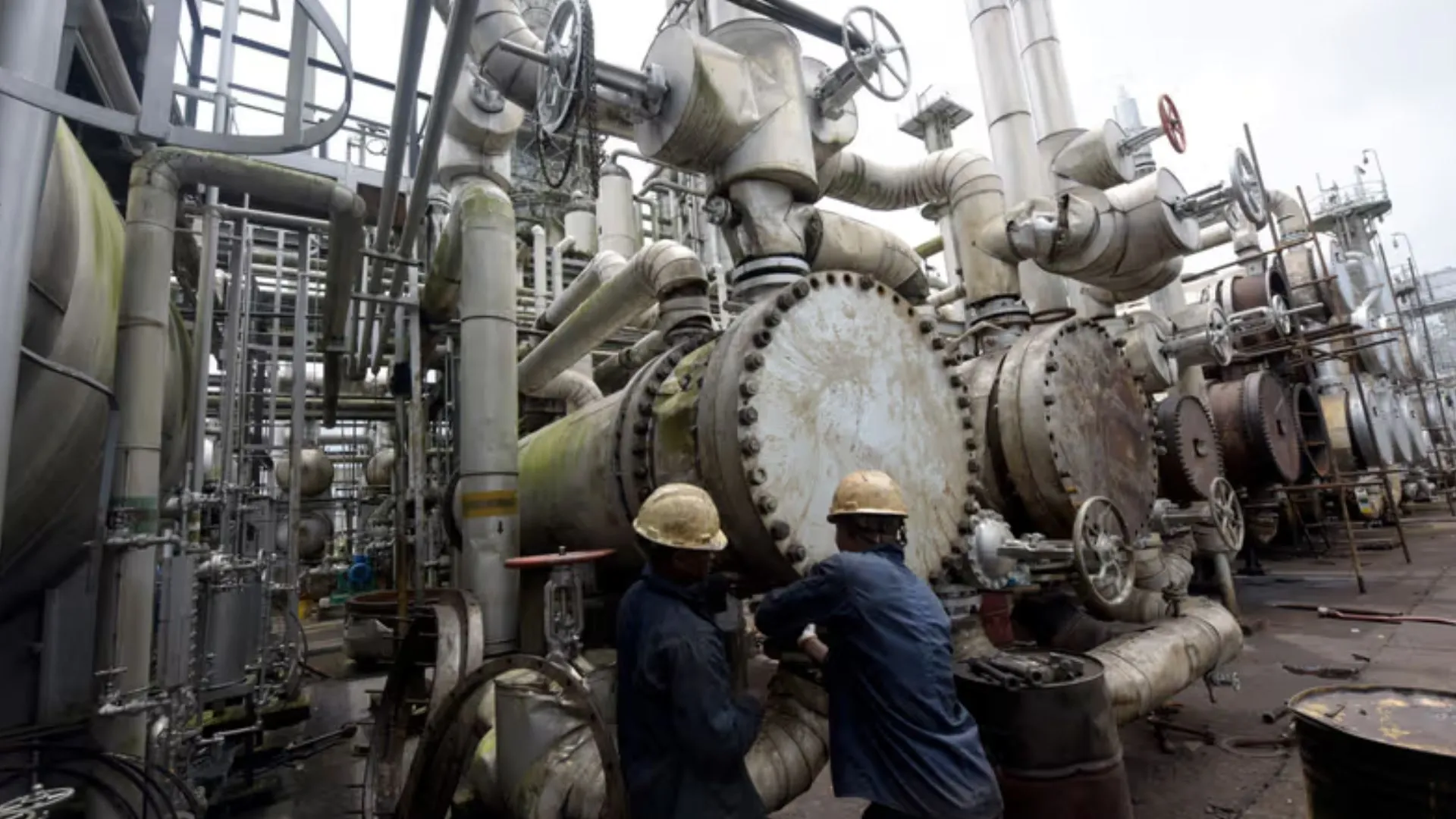
Recent reports from the Nigerian Upstream Petroleum Regulatory Commission(NUPRC) and the results are alarming. Africa’s most resource-rich nation faces a volume crisis that is undermining its financial stability. Between January 2025 and January 2026, the country missed out on approximately $1.31 billion due to its inability to meet internationally agreed pumping levels.
The impact of productive oil production on the treasury
The main problem does not lie in the fluctuation of international prices, but in domestic operations. For example, Bonny Light crude oil maintained an acceptable average price of US$72.08 per barrel during most of the period analyzed.
However, the accumulated deficit of 18.12 million barrels outweighed any market stability. This supply shortfall translates into a gross loss of approximately 1.76 trillion naira at the current exchange rate.
The data also reveal that Nigeria only managed to exceed its OPEC limit of OPEC LIMIT limit on three occasions during 2025. The remaining months were marked by persistent outages and an infrastructure that appears to have reached its efficiency limit.
Some experts such as Professor Wumi Iledare argue that asset security and slow regulatory approvals are the real obstacles. For existing fields to operate at full capacity, massive investment in maintenance and infill drilling that protects the integrity of export streams is required.
Finally, President Bola Tinubu’s administration maintains the vision of raising extraction to 2 million barrels per day by 2027. However, January 2026 records show a different reality with just 1.46 million barrels per day.
This figure puts the national budget under pressure and generates close scrutiny by investors in London and New York. The regulator’s ability to convert plans into actual barrels will be the determining factor for the recovery of the Nigerian energy sector.
Source and photo: Business Insider Africa