
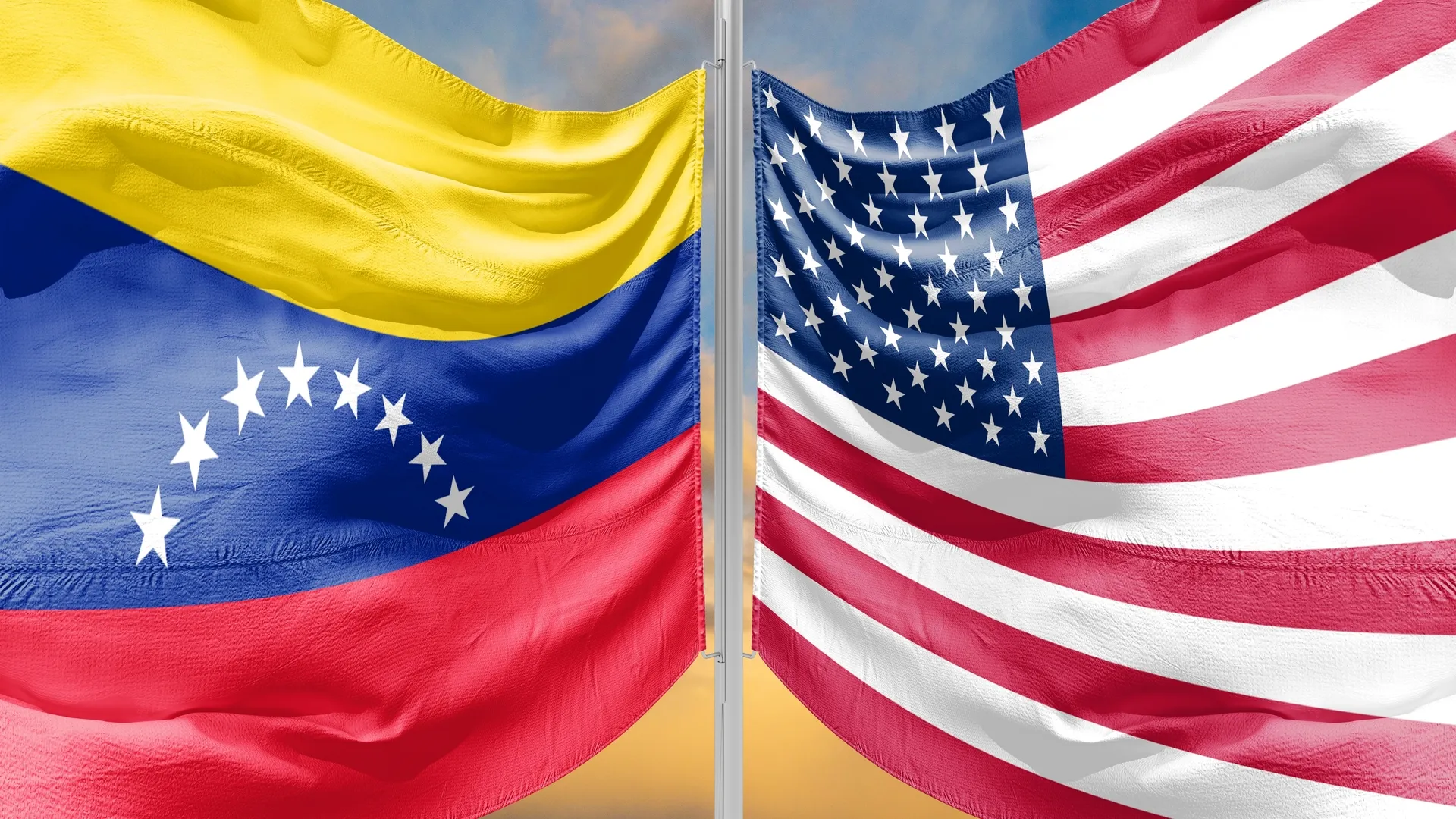
The Office of Foreign Assets Control (OFAC) issued two general licenses, No. 49 and No. 50, which relax certain restrictions for operating in the Venezuelan oil and gas sector. These licenses allow, under strict conditions, the negotiation and signing of contingent contracts for future investments, as well as the execution of specific operating activities by foreign companies.
What do the new general licenses allow?
The License 49 authorizes companies to enter into contractual arrangements related to oil and gas exploration, development or production in Venezuela, but their execution is subject to future OFAC approval. This includes memoranda of understandingbinding offers, preliminary agreements and enforceable pro forma invoices.
On the other hand, the License 50 allows certain entities to conduct operations in Venezuela with contracts that must be governed by U.S. law and provide for any disputes to be resolved in U.S. courts.
Beneficiary companies and conditions
The new provisions open the way for Chevron, Repsol, Shell, ENI and other companies with previous operations or expansion projects to access the Venezuelan market with more defined and secure contractual frameworks. However, any players from Russia, Iran, North Korea, China or Cuba, as well as entities jointly owned with these governments, are excluded.
In addition, payments in digital currencies, gold or debt swap mechanisms are prohibited, limiting transactions to conventional payments that must be channeled through special accounts, as established in Executive Order 14373. This ensures that the proceeds derived from these transactions are monitored by the U.S. Treasury Department. U.S. Treasury Department.
Risks and opportunities for investors
The new scenario represents an opportunity for foreign capital that has sought ways to enter or expand in the Caribbean country, whose oil industry requires urgent investments to recover its production capacity. to recover its production capacity.. The licenses enable a more transparent contractual model, with the possibility of designing CPP (contract-based project participation) projects under international supervision.
However, the mandatory nature of periodic reporting to the Department of State and the Department of Energy, coupled with the still volatile political context in Venezuela, means that regulatory and reputational risks remain present.
A new era for Venezuelan oil?
The issuance of these OFAC licenses marks a significant change in the U.S. strategy towards Venezuela, which is no longer about blocking completely, but about conditioning, monitoring and channeling. With this new framework, a window of opportunity opens for the entry of investments under clear rules, but not without obstacles.
Source: U.S. Department of the Treasury.
Photo: Shutterstock