
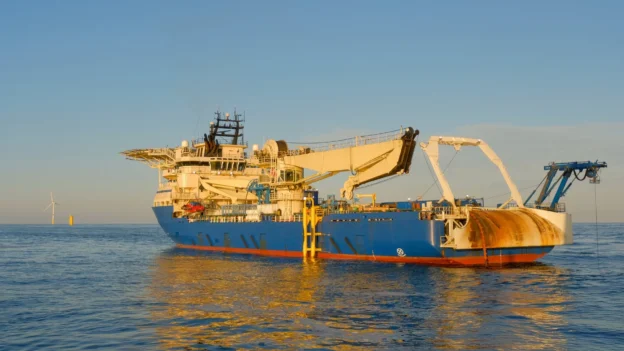
The Marinus Link project is poised to begin its construction phase in 2026, taking a firm step towards an energy infrastructure integrated energy infrastructure between Tasmania and the Australian mainland.
A 345-kilometer energy and digital bridge
Marinus Link is a high-voltage direct current (HVDC) and fiber optic interconnector that will connect Heybridge in Tasmania to Hazelwood in Victoria’s Latrobe Valley. With 1,500 megawatts of capacity, it will be capable of supplying approximately 1.5 million homes, tripling the capacity of the existing Basslink.
The project includes 255 km of submarine cabling across Bass Strait and 90 km of subway sections in southern Gippsland. It also includes converter stations at both ends and a communications station at Sandy Point.
Sustainability and energy balance of the Marinus Link
This project has sustainability at its core. Marinus Link was designed to strengthen the national electricity grid (NEM), allowing for greater exchange of renewable energy. Tasmania will be able to store surplus hydroelectric power and receive low-cost solar power from the mainland when needed.
With state-of-the-art HVDC technology, it will facilitate greater integration of renewable sources without compromising grid stability. The project’s environmental approach is aligned with the UN Sustainable Development Goals and includes environmental management plans throughout the life cycle of the infrastructure.
Beyond energy: extended digital connectivity
Along with the electrical infrastructure, Marinus Link will deploy fiber optic cables capable of increasing the current connectivity capacity between Tasmania and Victoria by a factor of 150. This will enable significant improvements in telecommunications and digital services for both regions.
Project phases
Marinus Link will be executed in two phases. The first phase, with 750 MW of capacity, is scheduled to begin in 2026 and conclude in 2030. A second phase will double the installed capacity. The project is currently in its final planning stage, following investment approval by the authorities.
The development is underpinned by commitments to sustainability and transparency with local communities, reinforcing its value as a strategic asset for Australia’s energy future.
Source: Marinus Link