
Table of Contents
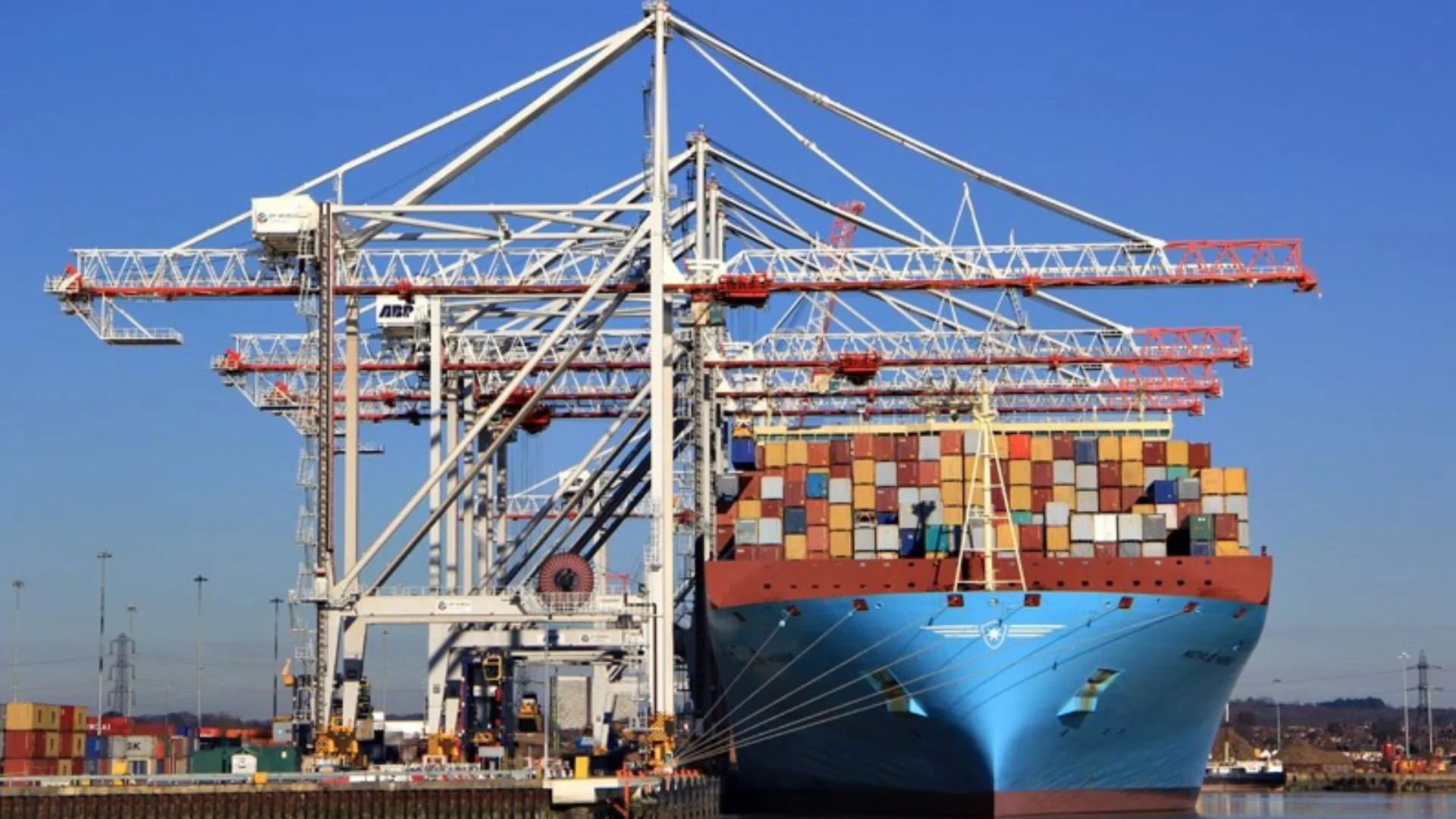
The Port of Tampa Bay has finalized the acquisition of two STS cranes from Liebherr Container Cranes. This contract marks the first installation of Liebherr ship-to-shore machinery on Florida’s Gulf Coast, and at the same time, establishes itself as a key pillar of the port’s Ports Vision 2030 development plan.
Port of Tampa Bay’s technology for large vessels
The cranes were built at Liebherr’s facility in Ireland, and are designed to handle the largest beam vessels currently sailing. With an impressive 60-meter outreach and a 65-ton double-loading capacity, this equipment ensures that the Port of Tampa Bay can maintain operational efficiency, even with increasing cargo volumes.
The machines are also equipped with advanced safety systems, such as snag protection and anti-sway systems. Each crane includes Liebherr’s
According to Paul Anderson, president and CEO of Port Tampa Bay, the integration of these cargo transfer cranes is vital to serve Florida’s rapid growth along the I-4 corridor. This equipment will support the expansion of the container terminal to 100 acres, which includes the creation of a third deepwater berth and a rail-served facility.
The port’s long-term goal is to catapult its annual capacity to 1 million TEUs. Winston Ziegler, director of marine crane sales at Liebherr USA, emphasized that the company will offer comprehensive local support in the United States. The nationwide service network ensures operational reliability and support throughout the life of the equipment.
STS gantry cranes integrate energy-efficient drives and regenerative energy systems. These optimized controls improve vessel rotation efficiency, and actively lower emissions, supporting the U.S. port’s environmental goals.
Source and photo: Liebherr