
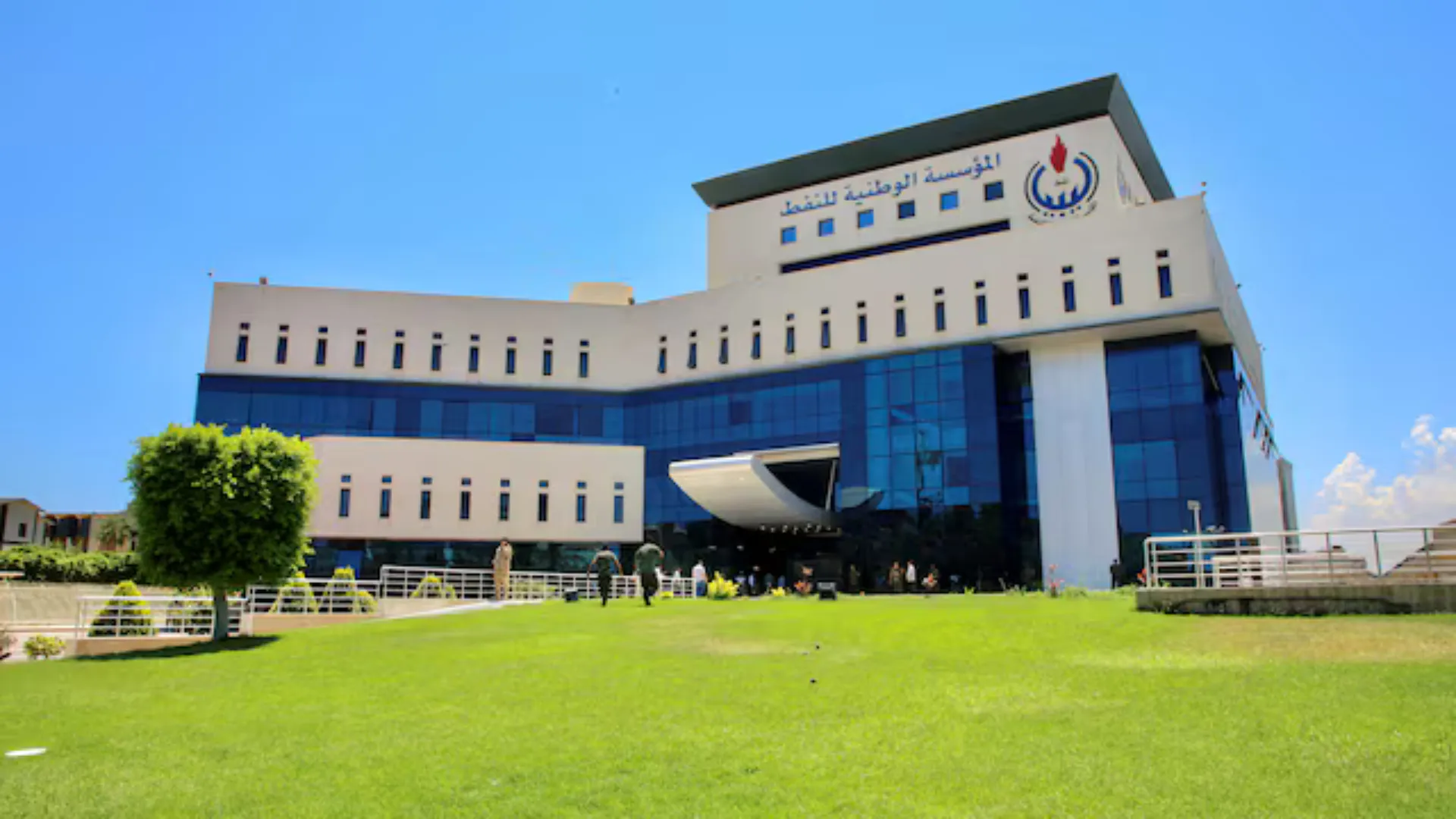
In a move that redefines the Mediterranean energy chessboard, Libya has awarded fuel supply tenders to Western giants such as Vitol, Trafigura and TotalEnergies. This decision represents not only a change in the model of its energy policybut a direct blow to Russian fuel exports to the North African country.
A new energy supply model
For years, Libya relied on the exchange of crude oil for gasoline and diesel, however, the state-owned National Oil Corporation (NOC) has opted for international tenders to buy the necessary fuel directly, opening the market to large global traders and limiting the participation of upstream players.
According to industry sources, Vitol has secured between 5 and 10 monthly shipments of gasoline and certain volumes of diesel. Trafigura and TotalEnergies are also joining this new supply strategy.
Russian fuel reduction in Libya
Until 2025, Russia was Libya’s main fuel supplier, with volumes of up to 56,000 bpd, but by 2026, that number has plummeted to around 5,000 bpd, according to data from analysis firm Kpler. Instead, Italy has taken the lead as a supplier, with shipments of 59,000 bpd coming from the ISAB and Sarroch refineries, operated by Trafigura and Vitol.
The shift reflects Libya seeking to align itself with Western actors, while Russia redirects its exports to China. exports to China after losing ground in key markets such as India and Turkey.
TotalEnergies and structural expansion
Beyond fuel, TotalEnergies and ConocoPhillips signed a 25-year oil deal with Libya in January, backed by more than $20 billion in foreign investment. The goal is to increase oil production to 2 million barrels per day, from the current 1.4 million.
Libya has issued upstream exploration licenses for the first time in 2 decades, seeking to attract investment that will modernize its energy infrastructure, devastated after years of conflict since the fall of Muammar al-Gaddafi in 2011.
The domino effect on the global energy market
Libya’s new approach reshapes competition in the region, especially in the Mediterranean, where it seeks to establish itself as a major supplier to Europe. Access to crude and fuel through transparent tenders also reinforces its reputation with investors, in contrast to the previous model based on opaque deals and swaps.
Source and photo: Reuters