
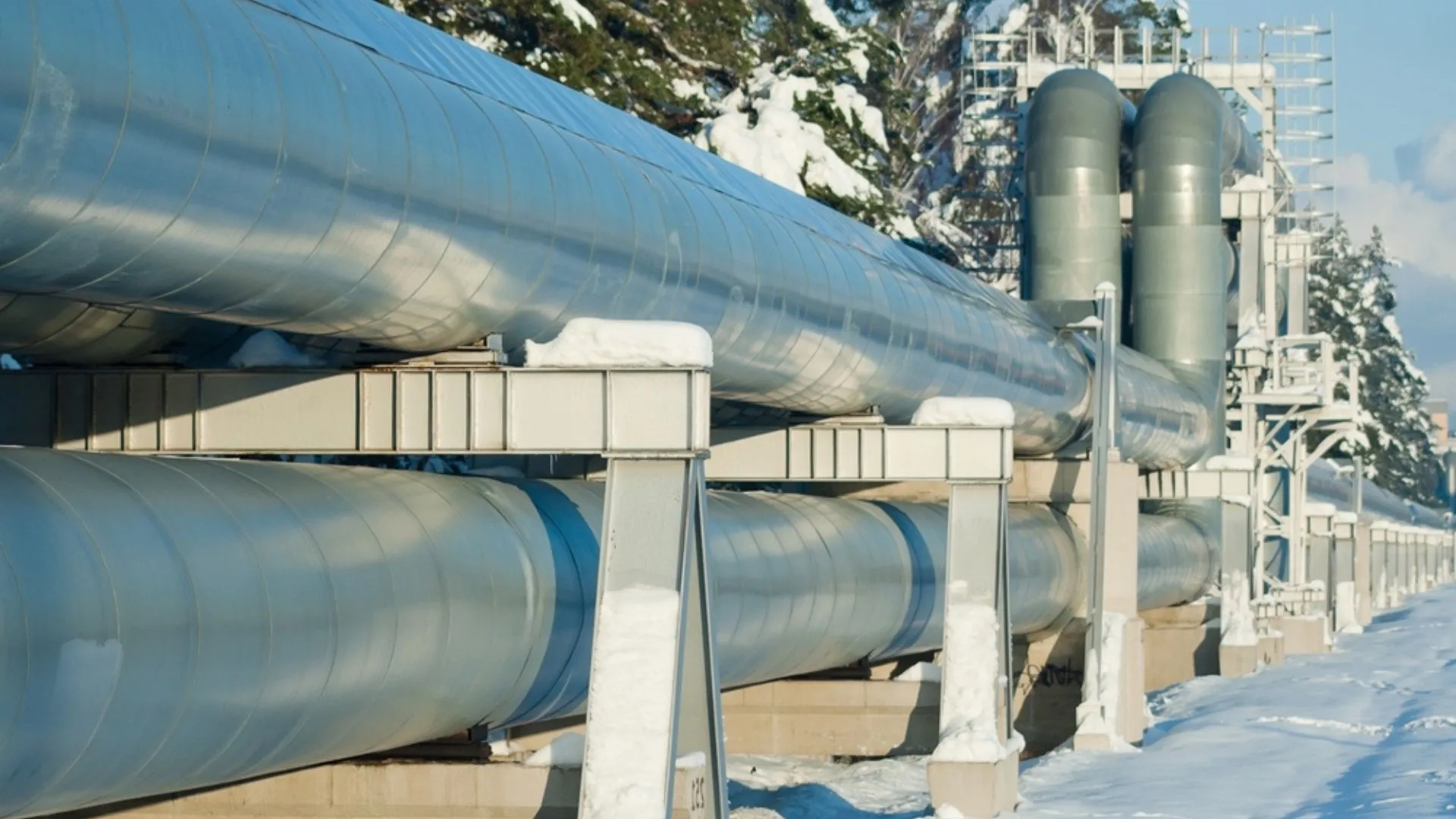
Kuwait Petroleum Corporation (KPC) has initiated concrete steps to attract foreign investment through the leasing of its national pipeline network. In a strategic move that could reshape the region’s energy landscape, the country aims to capitalize on underutilized assets valued at an estimated $7 billion.
Among the most prominent names that have expressed interest are BlackRock, Brookfield, EIG Partners, KKR, Macquarie Infrastructure Partners, and Chinese state funds China Silk Road Fund and China Merchants Capital. These firms are exploring participation in a 25-year concession that would allow KPC to receive an upfront payment in exchange for staggered long-term revenues.
Pipeline Network as a Strategic Asset
The financial structure of the agreement includes $1.5 billion in direct equity, with the remainder covered by debt financing. HSBC is among the banks committed to leading the credit operation, and other financial institutions are expected to join as the process advances.
This type of infrastructure monetization has recently been replicated by Aramco, ADNOC, and Bapco Energies, consolidating a trend among major Gulf state oil companies to free up liquidity without losing operational control of their assets.
Direct Leadership from KPC’s Senior Management
The committee leading this initiative is chaired by Sheikh Nawaf Saud Al-Sabah, CEO of KPC, who has publicly stated that pipelines, despite being strategic assets, do not generate direct financial income. The operation aims to change this reality through an operational concession scheme with guaranteed returns.
The environment for closing the deal is not simple. With crude oil prices fluctuating near $71 per barrel and latent geopolitical tensions in the Gulf, margins and forecasts are subject to high volatility. Even so, Kuwait’s opening to direct foreign investment in energy infrastructure is shaping up to be a decisive step within its strategic plan until 2040.
Source: Reuters
Photo: Shutterstock