
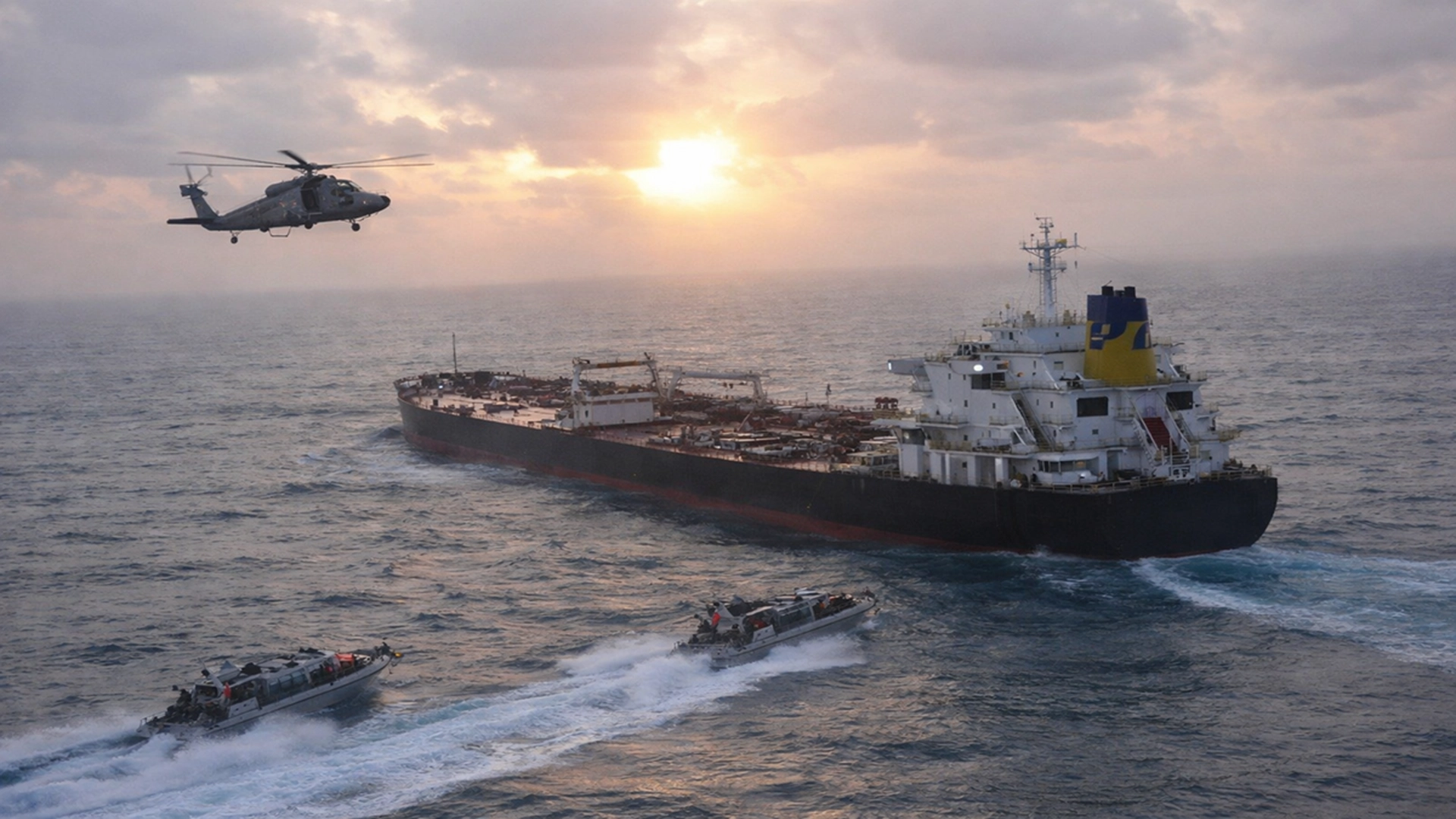
Maritime security in the Persian Gulf has once again returned to the center of international attention after Iran seized two foreign tankers carrying over one million liters of fuel. The operation was conducted near Farsi Island, according to reports from the Associated Press citing Iranian state television.
Authorities indicated that 15 crew members from both vessels have been taken into judicial custody, though the nationalities of the vessels and the final destination of the cargo were not immediately disclosed.
Confirmed Facts
The operation was carried out by Iranian forces in the waters of the Persian Gulf. State media reported that the tankers were allegedly linked to illegal fuel smuggling, although no additional evidence was presented at the time of the announcement.
As of now, no further incidents or damage to other commercial vessels in the area have been reported.
Geopolitical Context
The incident occurs shortly before scheduled nuclear talks between the United States and Iran in Muscat, Oman, and amid persistent tensions between Tehran and Western powers.
The proximity of the Strait of Hormuz, through which approximately one-fifth of the world’s oil consumption passes, amplifies the focus of markets and energy operators on any event affecting regional security.
Operational Importance of the Region
From an operational standpoint, the Persian Gulf and the Strait of Hormuz constitute a critical bottleneck for the maritime transport of crude oil and refined products. Incidents involving seizures or military actions in this region typically translate into higher maritime insurance premiums, adjustments to shipping routes, and an increase in perceived risk for shipowners, traders, and energy operators.
Market Impact
While the volume seized does not alter the global supply of hydrocarbons, episodes of this nature tend to influence the perception of geopolitical risk, a key factor in crude oil pricing, freight costs, and operational decision-making in the region.
The development of the case will be closely monitored by energy operators, maritime insurers, and international security authorities, given the strategic sensitivity of the area for the global hydrocarbon trade.
Source: Associated Press
Photo: The Daily Scrum News