
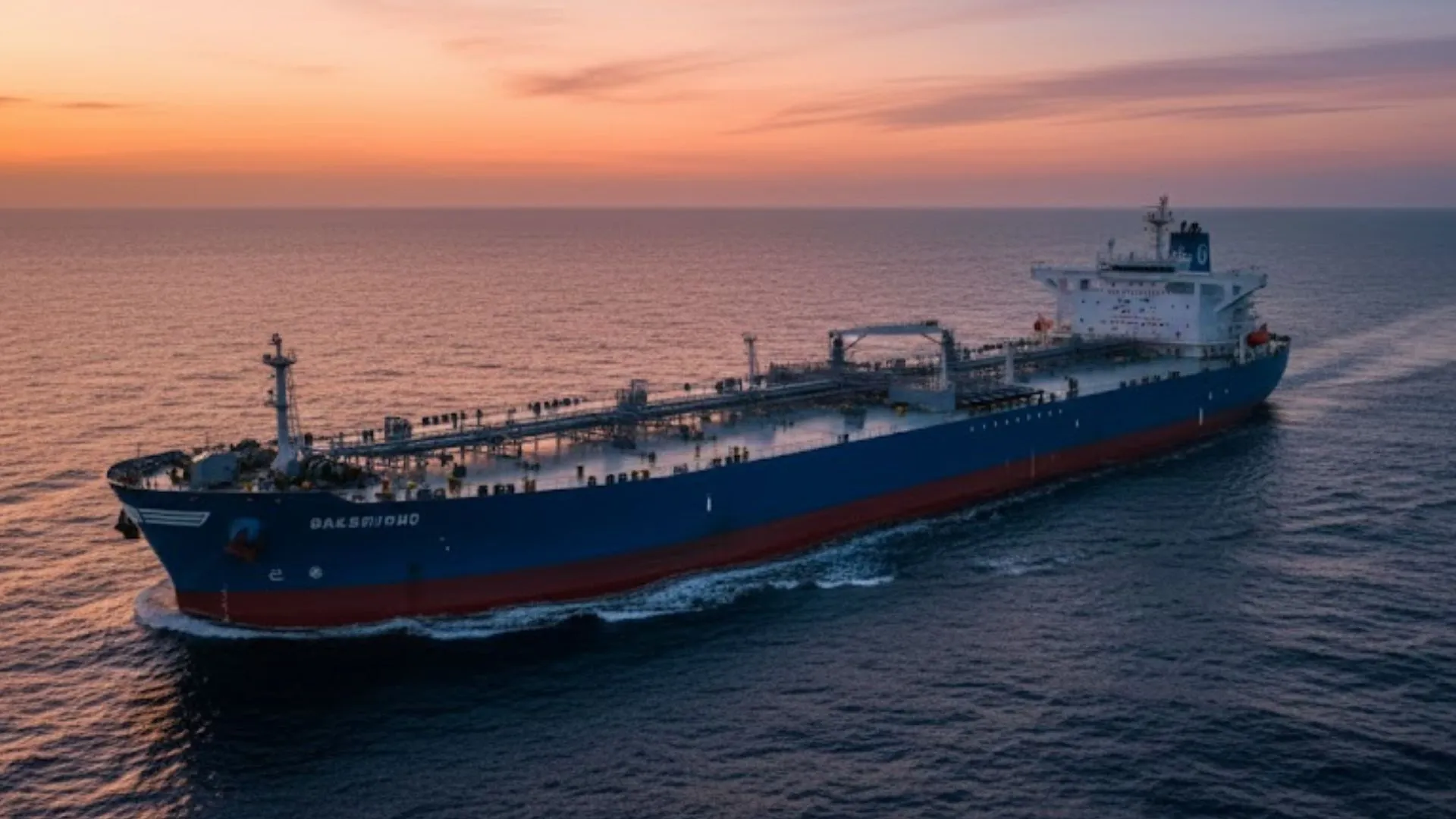
During the first ten months of the current fiscal year, India’s reliance on oil imports climbed to 88.6%. This figure shows that domestic oil production cannot keep pace with the breakneck speed of a market that has displaced China as the main driver of global demand for this resource.
High demand for oil imports
Indeed, records from the Petroleum Planning and Analysis Cell highlight the difficulties in ramping up extraction on home soil. Despite government efforts to incentivize the local industry, growth in transport and economic activity requires volumes that refineries can only meet by purchasing external supplies.
Against this backdrop, Prime Minister Narendra Modi has laid out a roadmap to reverse the current trend. During the recent India 2026 Energy Week, the leader highlighted that the sector offers investment opportunities worth $500 billion.
The plan aims to attract international capital for exploration projects, refining and liquefied natural gas. Likewise, tenders have been launched for 50 hydrocarbon blocks in the hope that new areas, such as the Andaman Basin and Nicobar, will become production hubs.
Lastly, the government has decided to simultaneously promote the development of wind infrastructure and solar. The goal by the end of the decade is to expand the exploration area to one million square kilometers and boost technical innovation under the slogan of Make in India. The main objective is to strengthen energy infrastructure so that economic growth does not depend exclusively on the volatility of the international crude oil market.
Source: OilPrice
Photo: Shutterstock