
First Indian fuel shipment arrives in Europe
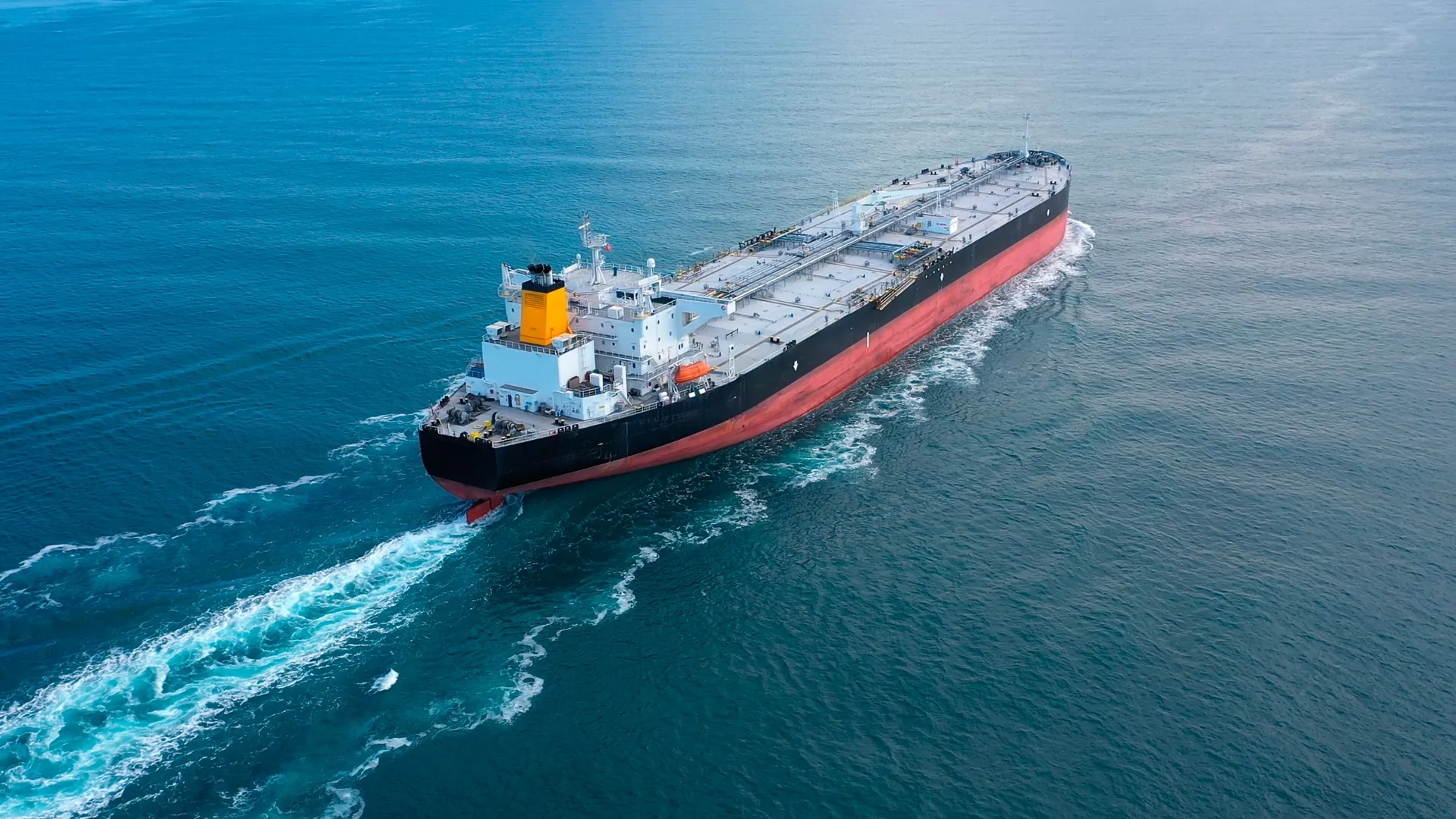
Oil major Reliance Industries partially offloaded ~390,000 barrels of jet fuel in Italy in the first shipment made by India since the European Union banned Russian oil products on January 21. The Aframax Liwa-V vessel, which had been on standby near the port of Fiumicino for much of January, completed unloading this week after weather delays.
This shipment becomes a logistical and commercial milestone, as India has traditionally been a net importer of Russian crude, taking advantage of discounted prices. The export to Europe after the ban indicates that energy flows are being dynamically reconfigured, with direct consequences on supply routes and refinery competitiveness.
EU prohibition and product segregation
The EU imposed an import ban on refined products made with Russian crude oil in order to reduce Russia’s energy revenues due to the war in Ukraine, transforming traditional supply chains. This measure affects not only crude oil, but also derivatives such as diesel and aviation fuel, markets that are highly sensitive to changes in supply and demand.
Reliance affirmed that the exported fuel does not contain Russian crude, ensuring physical segregation in its production and logistics systems. This practice (although costly and technically demanding) is crucial to ensure regulatory compliance and maintain the confidence of European buyers wary of certifications of origin.
Market analysts stress that the adoption of FOB sales or alternative blending strategies may be key for India to mitigate trade risks associated with perceived “Russia-free product,” which will influence forward contract terms and price premiums.
Impact on global energy trade
India exported around 4.1 million metric tons of jet fuel to Europe last year, almost three times more than in 2021 before the conflict in Ukraine, accounting for about 15% of European imports between 2022 and 2025. This shows that, even without Russian crude as an input, India has export muscle to position itself as a strategic alternative supplier.
However, unlike aviation fuel, there have been no reports of diesel exports to Europe under the post-ban scheme, which could indicate capacity constraints, price differentials or tighter logistical controls in specific market segments.
If Europe does not further diversify its supplies, we could see upward pressures on derivatives prices and accelerated adjustments in trade flows with the Middle East, Africa and Asia. For India, this episode could mean greater global participation, although with infrastructure and certification challenges that will determine its sustained growth in the refined products market.
Source: https://www.reuters.com
Photo: Shutterstock