
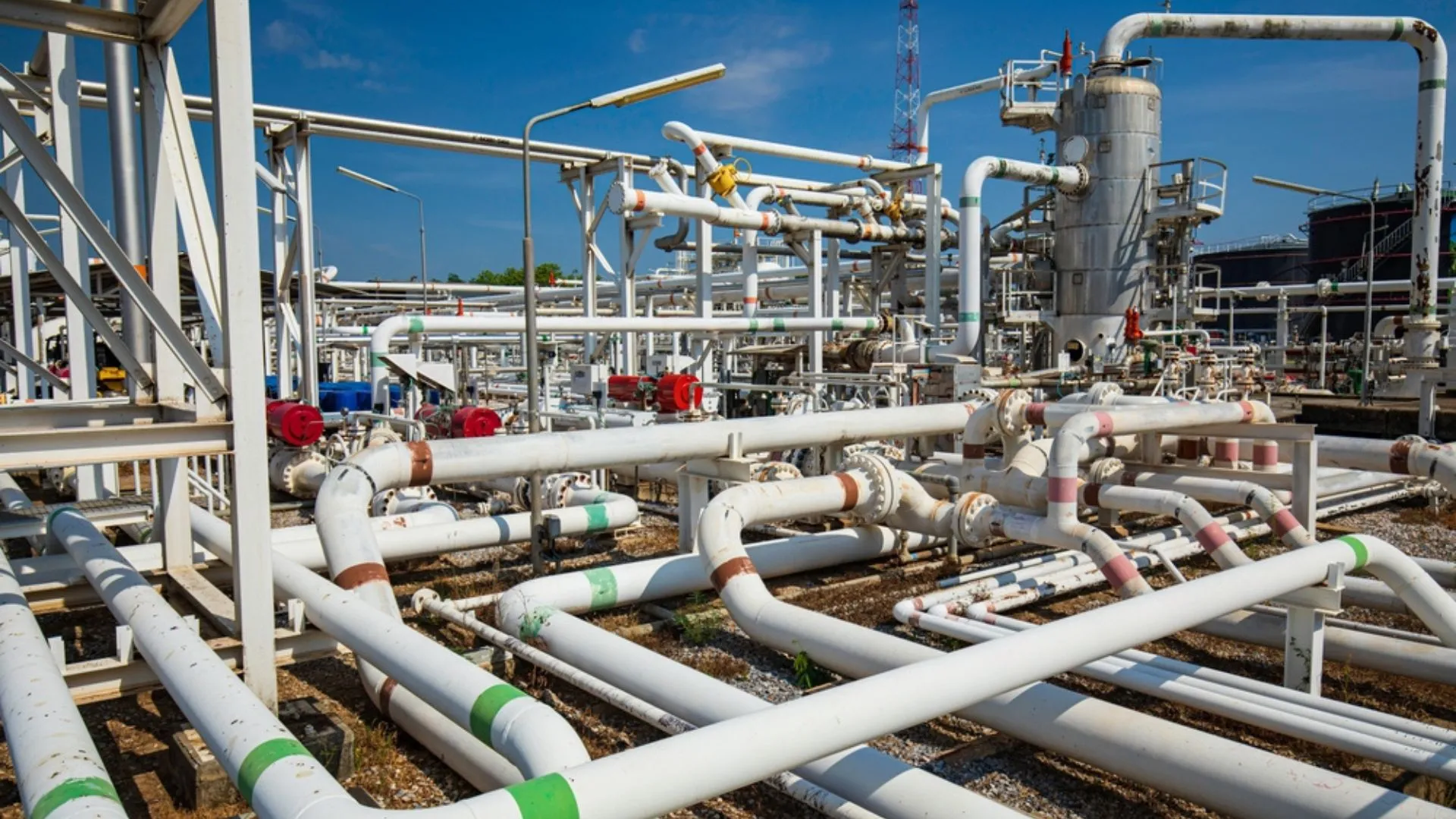
Hungary has started to use its emergency oil emergency oil reserves after the total interruption of following the total disruption of the flow of Russian crude oil through the Druzhba pipeline. The government will release 250,000 tons of crude from its strategic reserves to ensure domestic supply, with priority access for the national oil company MOL.
Oil reserves in response to the Druzhba outage
The supply cut, which dates back to January 27, was the result of an attack attributed by Ukraine to Russian drones. This infrastructure is vital to countries such as Hungary and Slovakia, which rely heavily on crude oil flowing from Russia through the pipeline. As the suspension drags on, both governments have expressed frustration with Kiev for delaying necessary repairs to the Ukrainian section of the pipeline.
For now, Budapest has decided to act unilaterally to protect its energy market. The government decree formalizing the measure gives MOL priority access to reserves, strengthening its ability to supply local refineries in a context of regional instability.
Tensions with Ukraine and the option of retaliation
In addition to diplomatic discontent, Hungarian officials have hinted at possible energy retaliation. Among them is the idea of temporarily suspending electricity and natural gas shipments. natural gas to Ukraine. This statement, issued by Prime Minister Viktor Orbán’s chief of staff, reflects a deterioration in regional energy cooperation.
From Brussels, the European Commission indicated that it is in dialogue with Ukraine to establish a schedule for repairing the pipeline. It also raised the possibility of convening an emergency coordination group to explore alternative fuel supply routes within the community block.
Search for alternative routes
In parallel, Hungary has already initiated talks with Croatia to use the Adriatic port infrastructure as a temporary alternative to Druzhba. This option would allow the maritime import of Russian or other crude oil to Hungarian refineries, reducing direct dependence on the Ukrainian section of the pipeline.
Meanwhile, Slovakia is in a similar position, evaluating response mechanisms together with Budapest. Both countries are the last EU members still receiving Russian oil under current exceptions to the sanctions.
MOL, key to supply strategy
The partially state-owned MOL plays a central role in managing this crisis. With preferential access to the released reserves, the firm will be able to keep its refining facilities operational. refining facilities and minimize and minimize the impact on the domestic market.
This episode reaffirms Central Europe’s difficulties in disengaging from Russian crude in the short term, despite EU commitments to reduce energy dependence on Moscow. Hungary maintains a divergent stance within the EU, prioritizing bilateral agreements with Russia over the bloc’s common guidelines.
Source: Oil Price
Photo: Shutterstock