
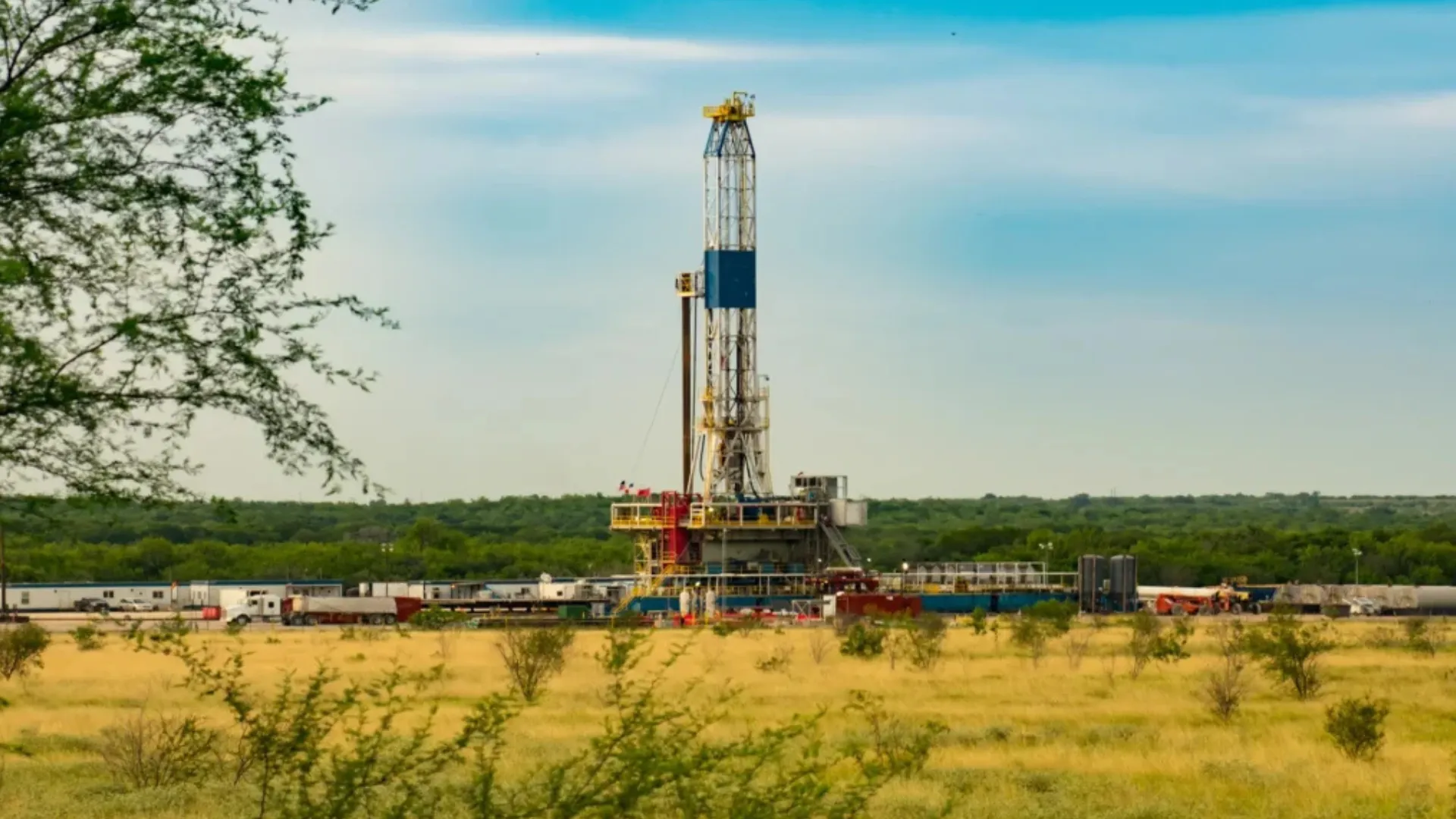
Harold Hamm, founder of Continental Resources and emblematic figure of shale oil in the United States, has ordered a halt to drilling and other operations in the Bakken Shale, one of the most emblematic areas of fracking. It is the first time in more than three decades that the company has halted operations in this basin, amid a sustained decline in crude oil prices.
Tight margins slow down operations in Bakken
According to Hamm himself, with margins virtually depleted, it makes no sense to continue drilling. The numbers back up his decision: while WTI crude hovers around $60 per barrel, the costs of drilling a well in the Bakken are estimated at $58 per unit, according to BloombergNEF. This leaves operations on the brink of profitability, with barely any real operating margin.
The decision not only affects Continental Resources, but could mark the beginning of a trend in the entire shale oil sector. The hydraulic fracturing hydraulic fracturing and horizontal drilling, which allowed the United States to access previously unviable geological formations, now faces growing economic pressure.
Diamondback Energy and other companies operating in basins such as the Permian have already reported that many of their most productive wells are in decline. At current prices, sustaining production levels would require investments that many no longer consider viable.
Analysts warn that if WTI falls below $50 per barrel on a sustained basis, a new wave of drilling cutbacks could be unleashed across the country. In that scenario, Harold Hamm’s retirement could be interpreted as a warning sign for the immediate future of the energy industry in 2026.
Source and photo: Rigzone