
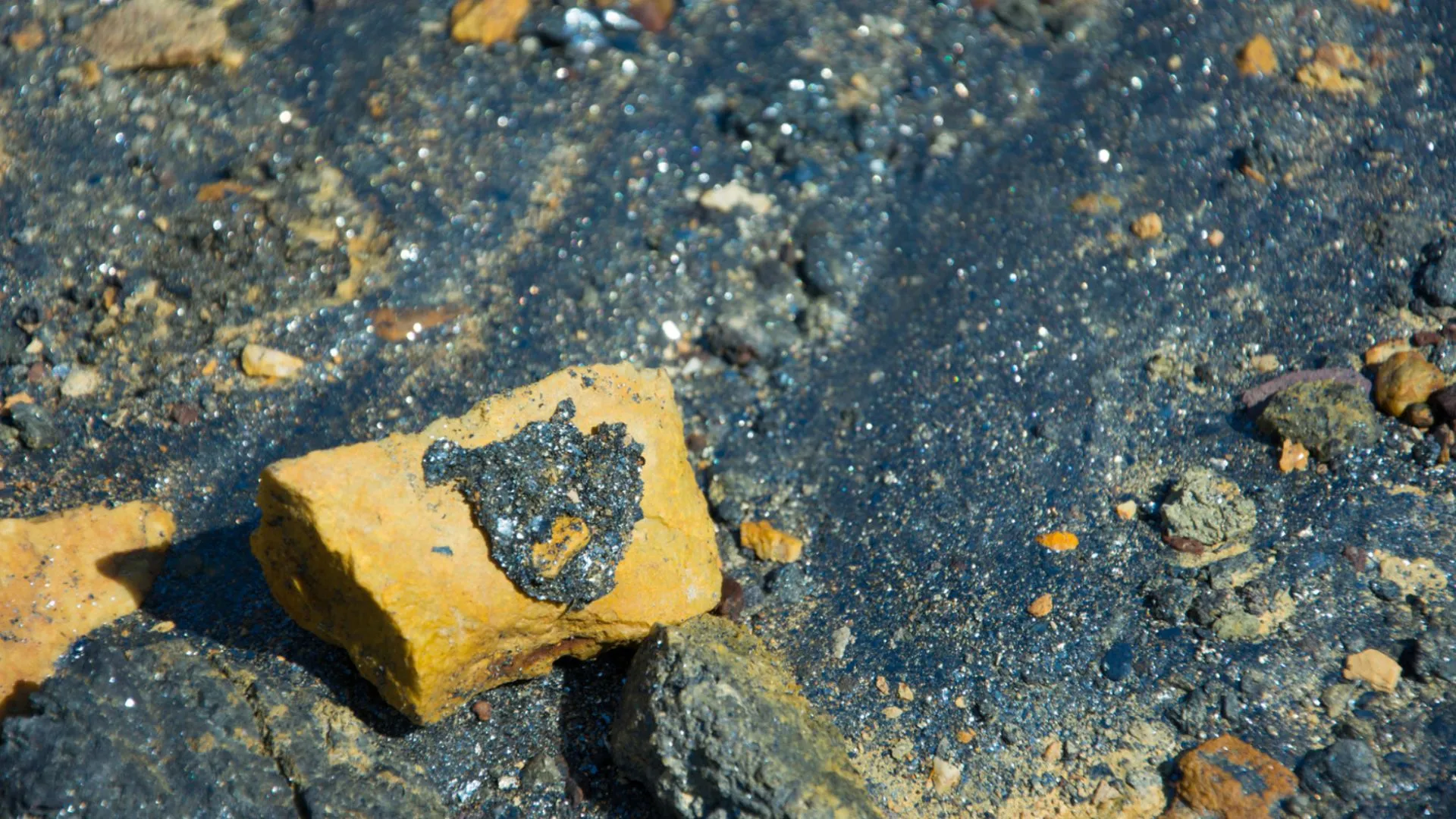
The European Union is beginning to put in place its strategy to secure the supply of critical materials in the face of China’s trade restrictions. Italy, France and Germany will assume central roles in a scheme that seeks to protect European industry and reduce structural vulnerabilities.
Control of the supply of critical materials
Based on the RESourceEU initiative presented by the European Commission, the Community bloc is committed to the creation of joint reserves of raw materials. The measure arises from the lack of internal refining capacity and the long lead times Europe is facing to diversify suppliers outside the Chinese market.
On the one hand, France will concentrate its efforts on the design and financial backing of strategic mineral purchases. The objective is to guarantee sufficient resources to acquire volumes to cushion external supply interruptions.
At the same time, Germany will be in charge of sourcing, relying on its industrial weight and its experience in global supply chains. This role is strategic for securing contracts and stable flows of essential metals for sectors such as defense and energy.
Finally, in Italy, the country will assume responsibility for the physical storage of critical materials. Technical discussions include specialized facilities and logistics operators with experience in the long-term handling of raw materials.
According to EU sources, at least ten member states are participating in a pilot project to evaluate the volumes required, logistical costs and financing schemes. Even so, concern persists within the bloc about the pace of progress, marked by multiple working groups and pending decisions.
Source: Reuters