
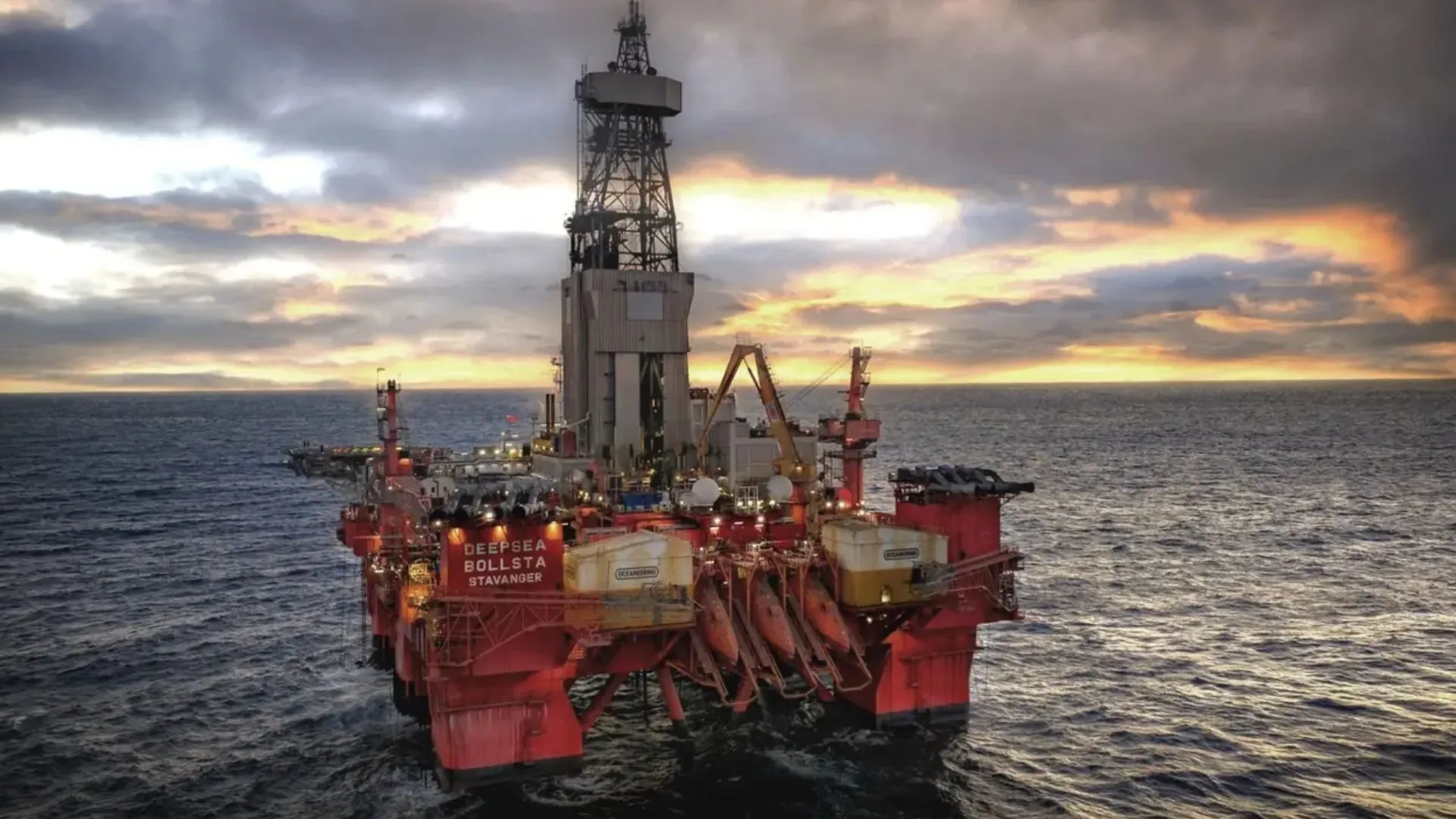
The Equinor report details that the Deepsea Bollsta drilling rig experienced a well control failure at the Troll field. Although it did not escalate into a tragedy, it provided structural lessons for the entire industry.
The failures of the Deepsea Bollsta drilling rig
Furthermore, the technical document explains that the incident occurred during the plugging of a well at a depth of approximately 510 meters. While cutting a 13-3/8 inch casing, an unforeseen release of 930 kg of gas and fluids reached the drill floor and the shaker room.
Regarding the protection systems, the automated safety barriers responded with the expected precision. Gas detection shut down ignition sources, and the crew activated the blowout preventer (BOP) in conjunction with the rig’s diverter system.
The flow was fully contained within 71 seconds, and the situation normalized in less than half an hour. The reservoir integrity was never compromised, and the primary barriers remained intact throughout the process.
Finally, the root cause was identified as poorly calibrated logging equipment that failed to detect gas confined behind the casing. Following this discovery, Equinor has established an immediate mandate requiring the BOP to be closed during any surface cutting operations.
These findings will be shared with the Norwegian Ocean Industry Authority and global suppliers to strengthen safety protocols and prevent technical measurement failures from risking operators’ lives in the future.
Source and photo: Equinor