
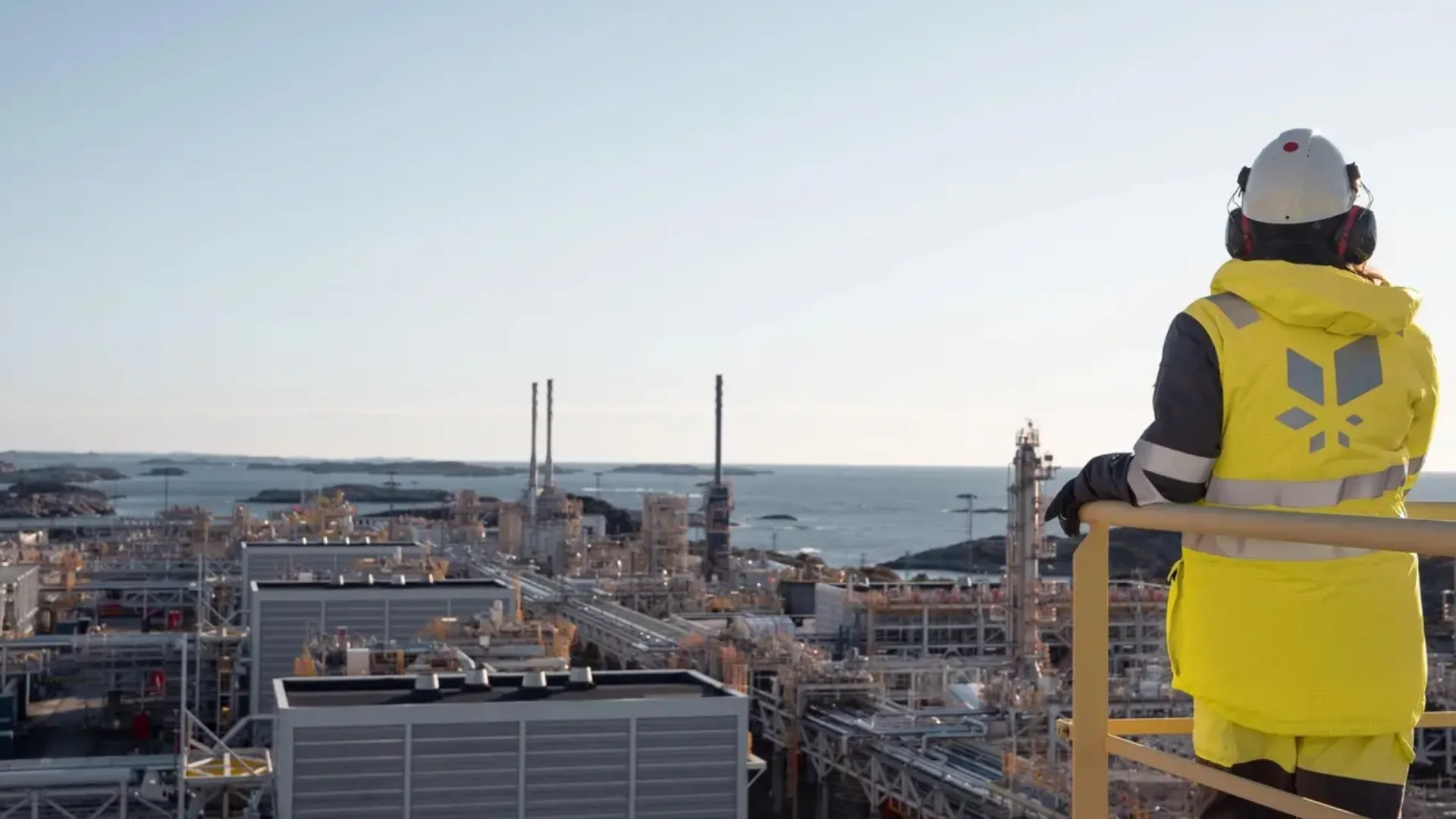
The recent balance sheet presented by Equinor for fiscal year 2025 reveals a complex duality: human pain versus technical efficiency. Despite the tragedy that occurred at the Mongstad refinery last September, where a worker lost his life, the corporation has managed to consolidate a trend of improvement in its critical protection indicators.
The drop in critical events at Equinor
It is important to note that the frequency of serious incidents per million hours worked, technically known as SIF, closed the fourth quarter of 2025 at 0.21. This represents a significant improvement over the 0.3 recorded at the end of 2024. This value represents a significant improvement compared to the 0.3 recorded at the end of 2024. Furthermore, this improvement of more than 30 % in a single year demonstrates that close collaboration with suppliers and contractors is bearing tangible fruit in day-to-day operations. The goal is clear: to learn from each event to prevent fatalities from recurring in the lifting or maintenance areas.
On the other hand, the frequency of personal injuries (TRIF) remained stable at 2.3, equaling the figure for the previous period. In terms of hydrocarbon handling, there were six oil and gas leaks in total, slightly lower than the seven previously reported. These data reflect rigorous control of safety barriers, especially at operationally intensive assets such as the LNG plant in Melkøya and the ambitious Empire Wind project in the United States.
Going forward, the organization has integrated the Safety Act as a pillar of its internal culture. Risk management for the next cycle will focus on the implementation of technical barriers and the training of new employees under the “Always Safe” program. In doing so, the company aims not only to maintain current numbers, but to completely eradicate incidents with the potential for major harm. Monitoring by the Norwegian Ocean Industry Authority will continue to be the standard against which these organizational developments are measured.
Source and photo: Equinor