
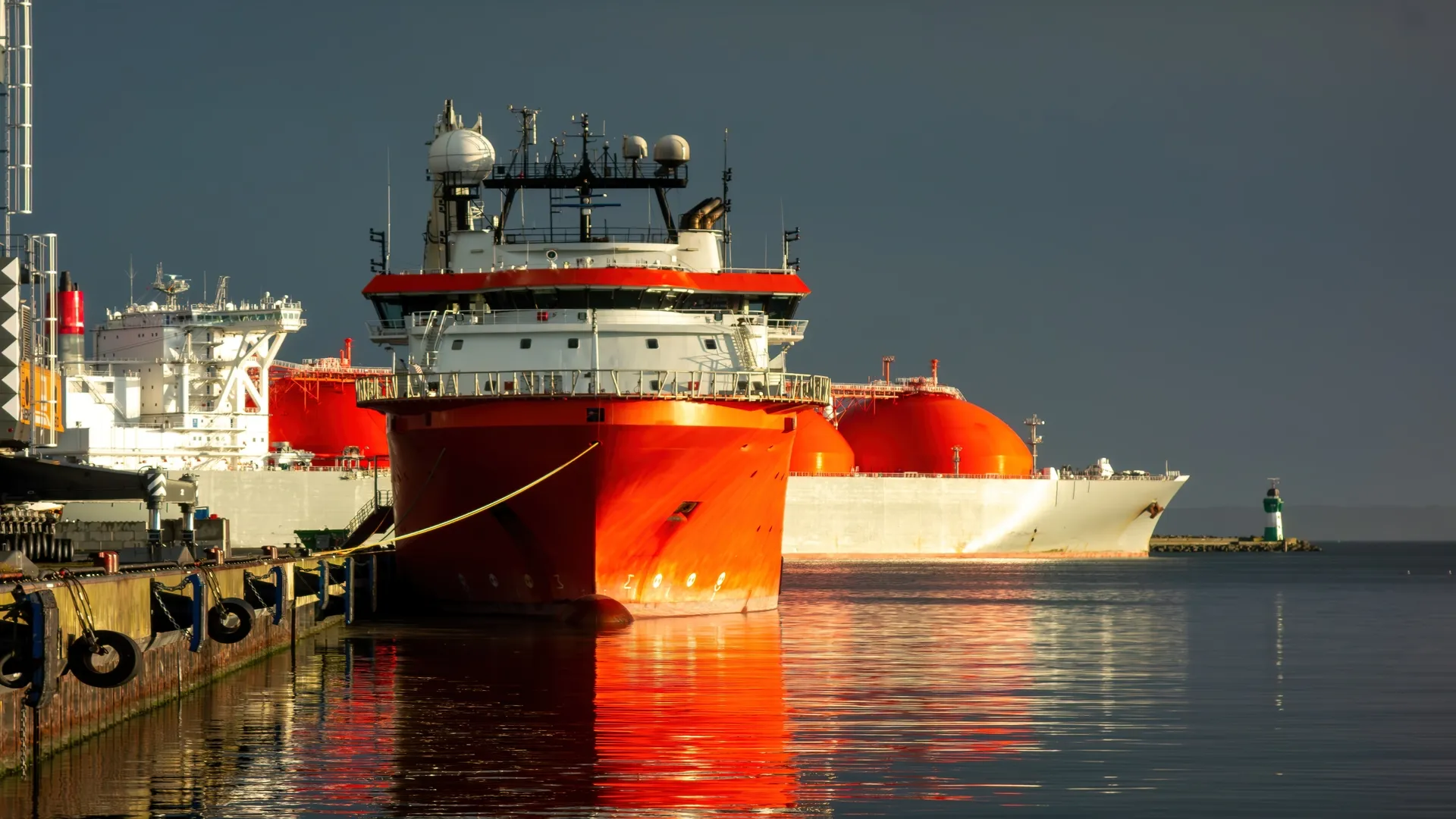
French energy company ENGIE and Thailand’s Gulf Energy Development (GULF) have signed a long-term contract, 15 years to be exact, for the purchase and sale of liquefied natural gas (LNG). The contract provides for the delivery of up to 0.8 million tons per year of LNG starting January 1, 2028.
Implications for Thailand
The main objective behind this agreement is to guarantee a stable supply of gas, a crucial fuel for generating electricity in the country, through a long-term contract that helps mitigate the volatility of international gas prices and ensures availability. In addition, the LNG provided by ENGIE will serve to provide reliable power needed for Thailand’s industrial and economic development.
What is the overall impact of the contract?
The agreement between ENGIE and GULF marks an important milestone in Thailand’s energy planning, not only because of the commercial transaction, but also because of the strategic alliance that:
- For Gulf: It blocks a vital supply of fuel for its future operations.
- For ENGIE: Secures a long-term stable customer in a key growth market in Asia.
- For Thailand: It is a concrete step to strengthen its energy resilience, diversify its energy basket and underpin its future economic growth on a more stable and secure basis.
In essence, it is an example of how long-term LNG long-term LNG contracts remain a critical tool for importing countries to manage geopolitical and market risks while advancing their energy transition goals.
Source: ENGIE