
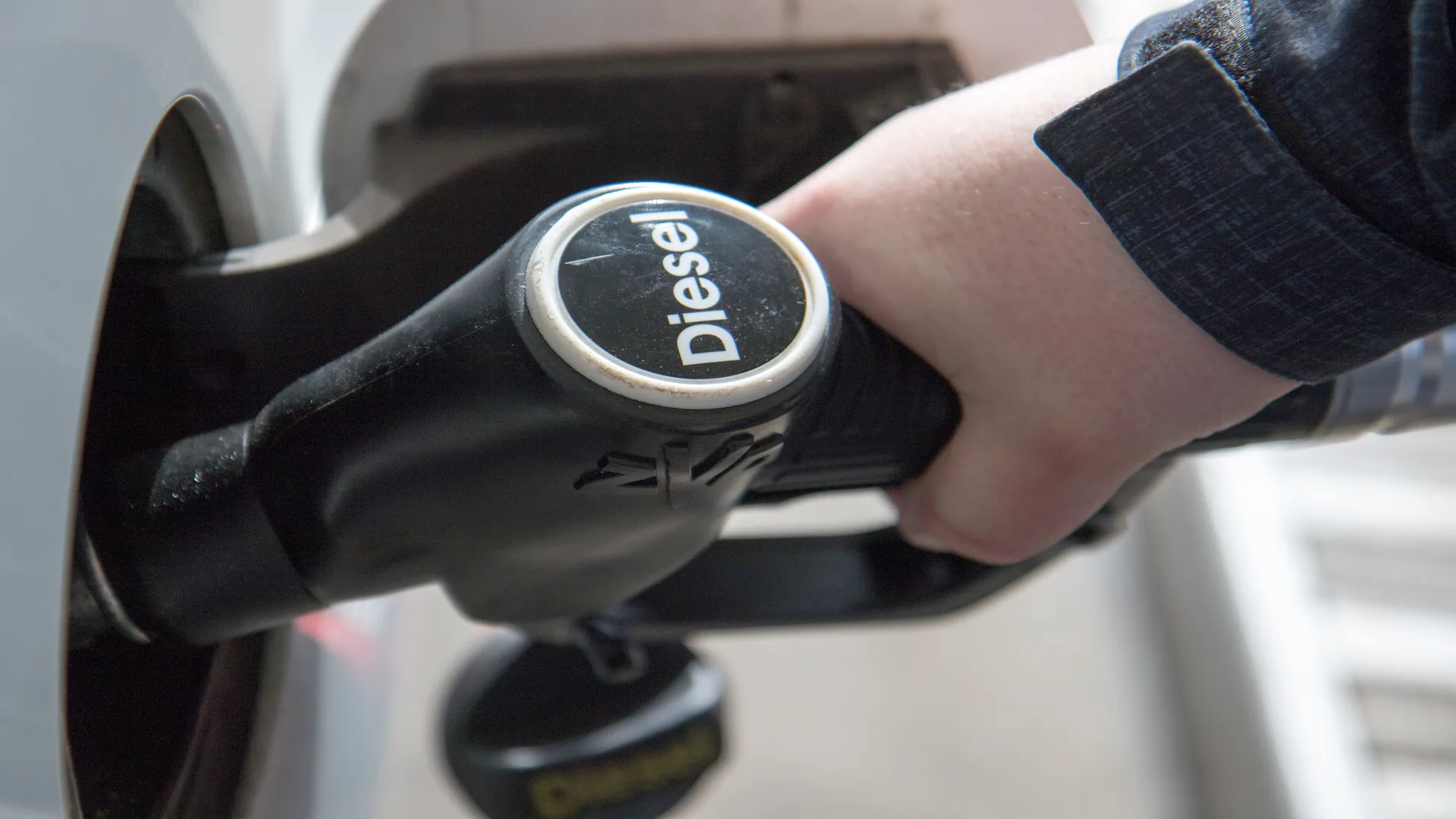
When markets opened on Monday, the diesel price jumped 17% on the Intercontinental Exchange, reaching its highest level in 2 years and significantly exceeding the 13% rise in Brent crude. The trigger was the de facto closure of the Strait of Hormuz, caused by the escalating conflict between Iran and the United States.
A Surge Alerting the Global Market
While Brent crude oil futures surpassed $80 per barrel, diesel prices set the upward pace in energy markets. This fuel, crucial for global transport and logistics, has become the most vulnerable in the short term, according to analysis by Kpler.
The main reason is the partial interruption of maritime transit through the Strait of Hormuz, through which approximately 10.3% of global seaborne diesel trade passes. The region, vital for energy exports to Asia and Europe, has become unstable following cross-attacks between Iran, Israel, and the U.S., which have affected key port and oil infrastructure.
Diesel: Irreplaceable and Under Pressure
According to Amena Bakr, Kpler analyst, diesel faces “the most immediate physical pressure” among all crude derivatives. This is due to 3 main factors: military logistics, its regionally concentrated production, and the lack of quick substitution alternatives.
Although its transit through Hormuz is smaller in volume compared to crude oil or jet fuel, the potential impact is more severe due to the scarcity of alternative routes and suppliers. This has raised alarms among importers and refineries worldwide.
Consequences Beyond Oil
The rising cost of diesel threatens to create a chain reaction on global logistics and transport costs. Furthermore, the effect could extend to a new wave of inflation, impacting both consumers and industries that depend on this fuel, from heavy machinery to land freight transport.
Meanwhile, Brent crude, though also affected, showed a more moderate rise, suggesting that the market perceives greater rigidity in the supply of refined products like diesel than in unprocessed crude oil.
The Role of Insurance and Logistics
Another critical point has been the withdrawal of insurance coverage for commercial vessels transiting the Strait of Hormuz, which has effectively created an unofficial blockade in the area. Only some Iranian or Chinese vessels have continued to operate normally, further reducing fuel transport capacity.
This affects not only diesel but also liquefied natural gas (LNG), jet fuel, and gasoline, albeit to a lesser extent. However, it is diesel that is leading analysts’ concerns.
Short-Term Outlook
Kpler’s projections indicate that if the situation persists or worsens, diesel prices could continue to escalate in the coming days. The market already anticipates supply disruptions, especially for Europe and Asia, which depend on the affected maritime routes.
Meanwhile, countries like India and China are reportedly adjusting their energy strategy, increasing purchases from Russia to offset the decline in flows from the Middle East.
Source: Kpler
Photo: Shutterstock