
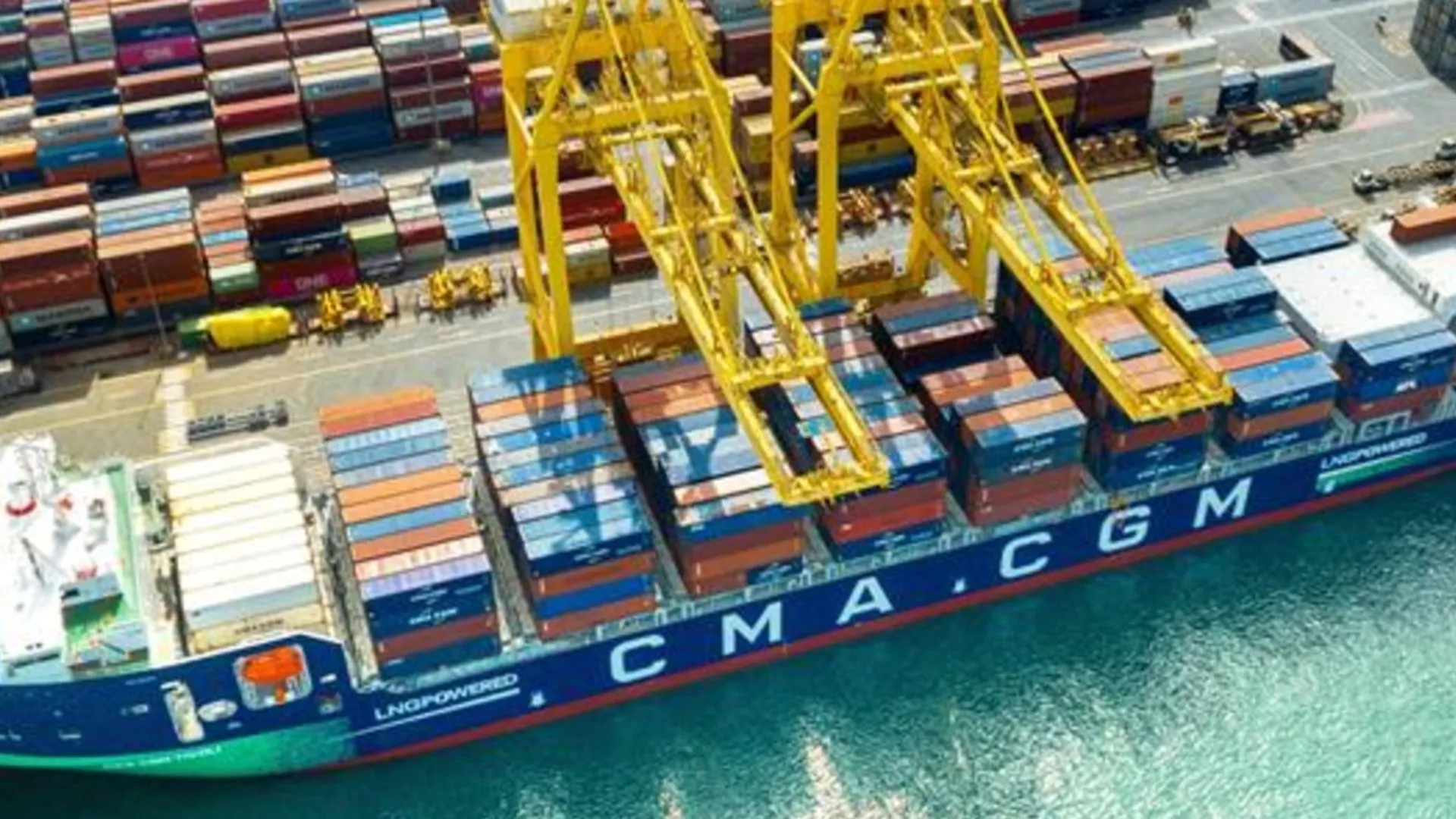
In a further sign of climate commitment, DHL and CMA CGM have joined forces to drive the decarbonization of shipping. This partnership involves the shared use of second-generation biofuels, specifically UCOME (used cooking oil methyl ester), integrated into CMA CGM’s operational fleet.
This biofuel will be employed through the ACT+ offering, a low-emission transportation solution developed by CMA CGM, and complemented by DHL’s GoGreen Plus program. Both initiatives are designed to make it easier for customers to effectively reduce greenhouse gas emissions, especially those classified as Scope 3.
Measurable emission reductions
The acquired lot represents 8990 metric tons of UCOME, the use of which will prevent the emission of approximately 25,000 metric tons of CO₂ during maritime operations. This figure is equivalent to the removal of more than 5,500 diesel vehicles from circulation for one year, according to standard estimates.
CMA CGM will physically integrate the biofuel into its global maritime network, while DHL will apply its emissions allocation model through the Book and Claim methodwhich allows its customers to benefit directly from the reduction generated, even when their shipments are not associated with the specific vessel using the sustainable fuel.
Alternative fuels as a transition pillar
The use of UCOME reflects a growing trend in the transition to alternative marine fuels. alternative marine fuels. As a second-generation biofuel derived from waste, it contributes to both the circular economy and emissions reduction. In addition, it allows a reduction of up to 80 % of GHGs compared to conventional fossil fuels.
DHL and CMA CGM have reiterated that this is just one stage in a more ambitious long-term decarbonization plan. Both organizations have set 2050 as the horizon for achieving net zero emissions across their entire logistics chain.
Cooperation as a driver of change in the shipping industry
Olivier Nivoix, executive vice president of shipping at CMA CGM, stressed that cross-sector collaboration is key to accelerating the energy transition. For its part, DHL emphasized that offering sustainable alternatives not only responds to current market demand, but also drives a structural shift towards more responsible logistics models.
The cooperation between the two companies represents a tangible step towards sustainable maritime logistics, where energy supply decisions are aligned with global climate commitments.
Source and photo: CMA CGM