
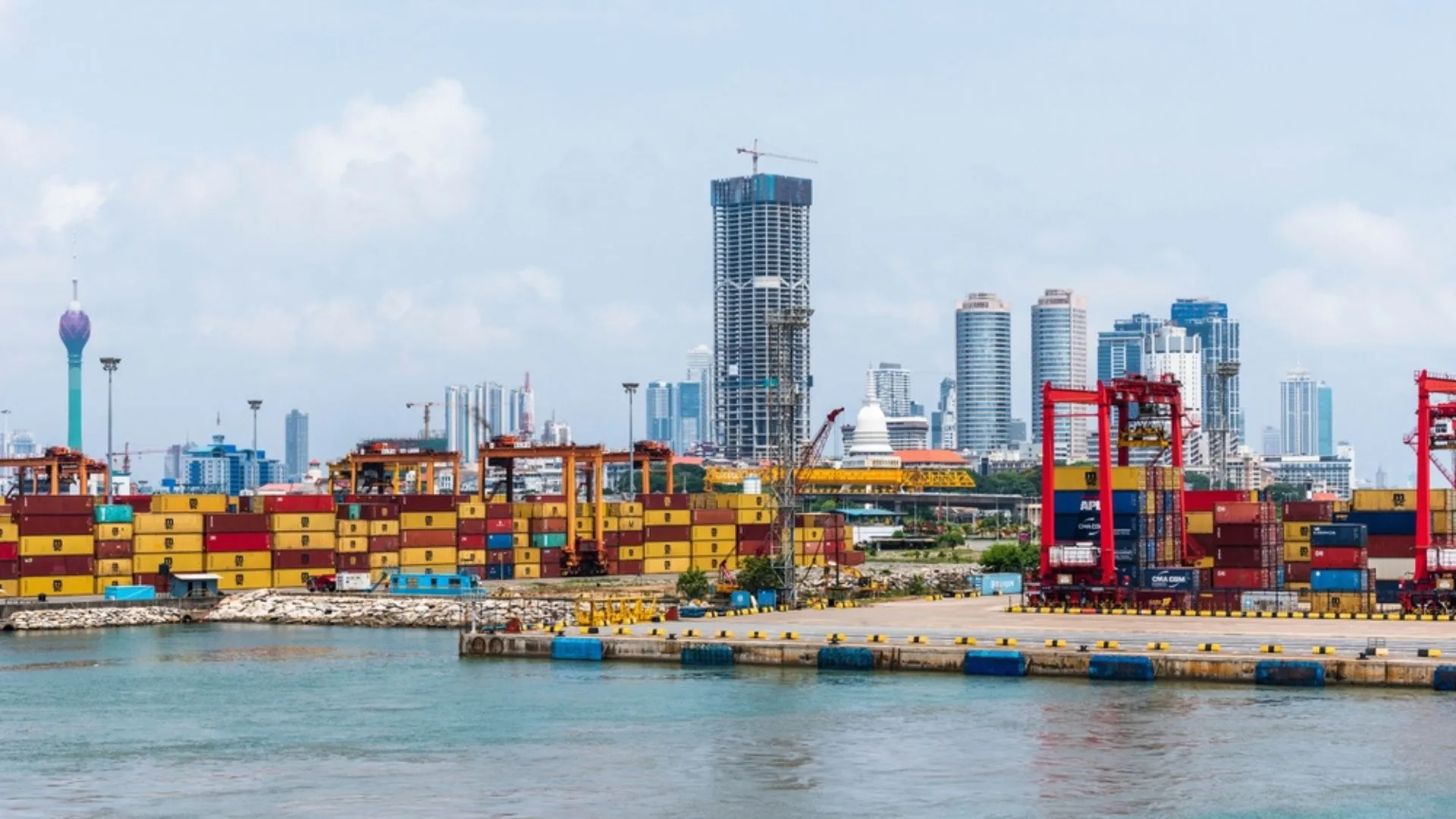
During January, Sri Lanka’s strategic ports-Colombo, Hambantota and Trincomalee-recorded stable demand for bunker fuels, against a backdrop of abundant supply supported by imports from key hubs such as Singapore and Fujairah.
Stability in Colombia with focus on bunker fuels
Colombo, considered the country’s main supply port, maintained a volume of close to 85,000 metric tons during the month. Despite the volatility in international prices, local operators operated with fixed rates, which allowed them to cushion fluctuations. The price difference with India, estimated at US$22 per metric ton, favored the competitiveness of the Sri Lankan port.
In mid-January, supply inquiries began to pick up, although some operations were affected by scheduled barge maintenance.
Strong dynamics in trincomalee driven by bulk carriers
The eastern port of Trincomalee consolidated its upward trend in supply volumes, reaching up to 16,000 metric tons in January. This growth was driven by higher bulk carrier traffic in January. bulk carriers on the east coast of the Indian subcontinent coupled with operational efficiency without weather disruptions.
Lanka IOC PLC’s participation was also key thanks to the incorporation of a new 2,000 metric ton barge that replaced a smaller capacity unit. This logistical improvement made it possible to handle larger volumes in less time.
Hambantota remains stable and interest in HSFO grows
The port of Hambantota maintained moderate but stable activity with a slight increase in calls during January. In parallel, demand for high-sulfur fuel oil (HSFO) showed signs of recovery. (HSFO) showed signs of recovery. The shortage of product in Kochi, India, favored the diversion of operations to Sri Lanka, especially among vessels with scrubbers.
Colombo stood out for offering a competitive marine gasoil price, quoted at an average of USD 737.23/mt versus USD 790.78/mt in Kochi. This differential reinforced the preference for Sri Lankan ports.
Supply ensured by imported flows
The port operations port operations enjoyed robust availability, driven by back-to-back VLSFO cargoes. Recent imports, including volumes from Sinopec and other major suppliers, ensured the necessary flow to meet demand without interruption.
Even exports to Colombo from ports in India were scheduled to be shipped to Indian ports consolidating the country’s position as a relevant node in the regional supply of maritime fuels.
Source: S&P Global
Photo: Shutterstock